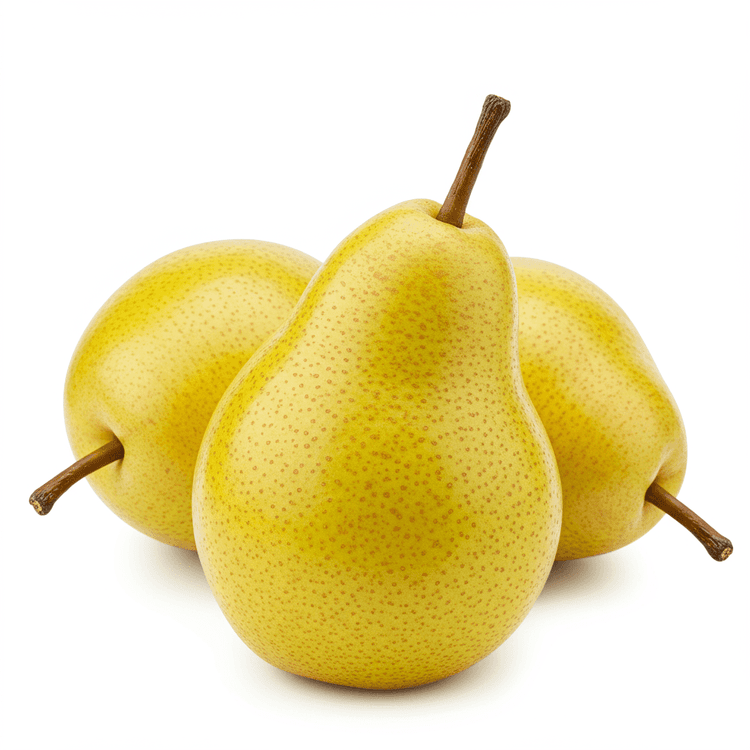
Pears, often overlooked in favor of apples and other fruits, are a nutritional powerhouse and culinary delight. These subtly sweet, juicy fruits are packed with fiber, vitamins, and antioxidants, making them a fantastic addition to any balanced diet. Let's explore the incredible health benefits and versatile uses of pears.
Pears are an excellent source of dietary fiber, which is crucial for digestive health. A single medium-sized pear can provide up to 6 grams of fiber, contributing significantly to daily requirements. This fiber aids in regulating bowel movements, preventing constipation, and promoting a healthy gut microbiome. The high fiber content also helps in managing weight by promoting satiety, keeping you feeling fuller for longer and reducing overall calorie intake. Beyond digestive health, fiber plays a role in lowering cholesterol levels, reducing the risk of heart disease.
Pears boast a range of vitamins and minerals. They are a good source of vitamin C, an essential nutrient for immune function, collagen production, and antioxidant protection. Vitamin C helps the body fight off infections and protects cells from damage caused by free radicals. Pears also contain vitamin K, vital for blood clotting and bone health. In terms of minerals, pears offer potassium, which helps regulate blood pressure, and copper, essential for iron metabolism and nerve function. While the amounts of some vitamins and minerals may be smaller than in other fruits, pears still contribute valuable nutrients to your daily intake.
The antioxidant content of pears further enhances their health benefits. These antioxidants, including flavonoids and phenolic compounds, help protect the body against oxidative stress and inflammation, which are linked to various chronic diseases like heart disease, cancer, and type 2 diabetes. The specific types of antioxidants vary depending on the pear variety, but all pears offer some level of protective benefits.
In the kitchen, pears are incredibly versatile. They can be enjoyed raw as a refreshing snack, added to salads for a touch of sweetness and crunch, or incorporated into cooked dishes. Pears are delicious poached in wine, baked into pies and tarts, or used in savory dishes like pear and blue cheese salad or roasted pork with pears. Their subtle sweetness pairs well with a variety of flavors, from cinnamon and nutmeg to ginger and rosemary. Popular dishes featuring pears include pear and almond tart, pear chutney, and caramelized pear bruschetta. Roasting pears brings out their natural sweetness and creates a tender, caramelized texture. They also hold up well in jams and preserves.
The importance of pears in a balanced diet cannot be overstated. They offer a unique combination of fiber, vitamins, minerals, and antioxidants that contribute to overall wellness. Their low glycemic index makes them a suitable choice for individuals managing blood sugar levels, as they release glucose slowly into the bloodstream. Furthermore, pears are naturally low in calories and sodium, making them a healthy option for those watching their weight or sodium intake. Including pears in your diet is a simple and delicious way to boost your nutrient intake and support your overall health. ||
Pear are an essential part of a healthy diet, providing a wide range of nutrients and health benefits. Explore our collection of pear ingredients.