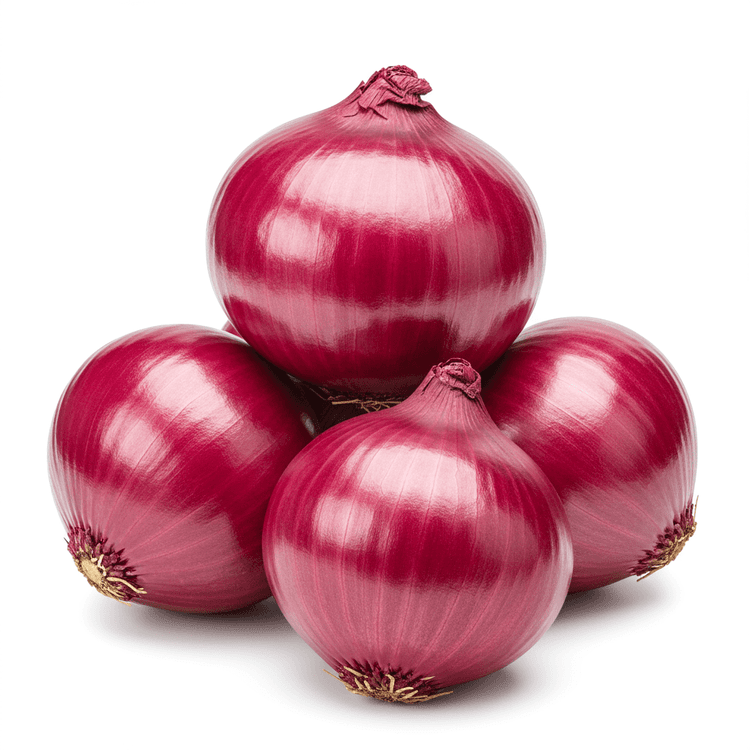
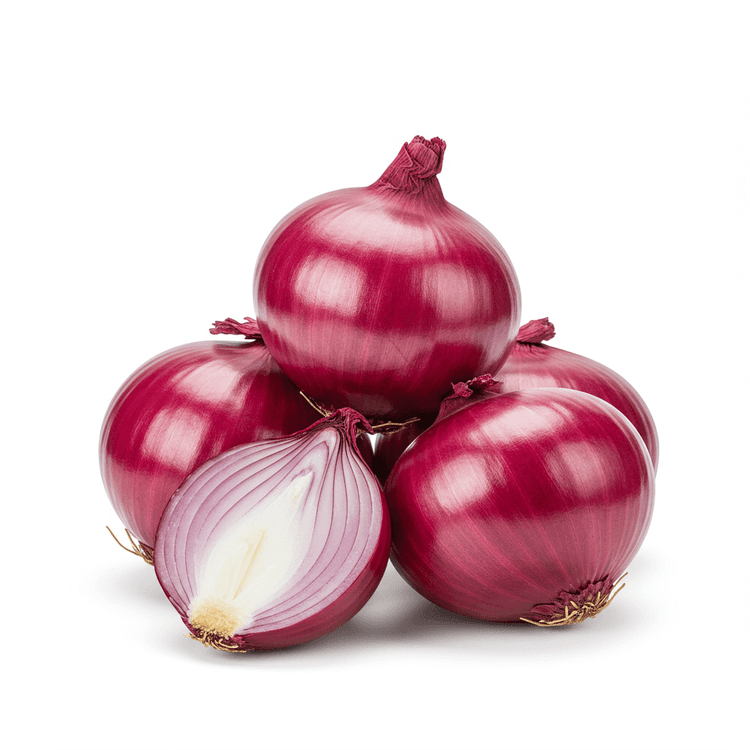
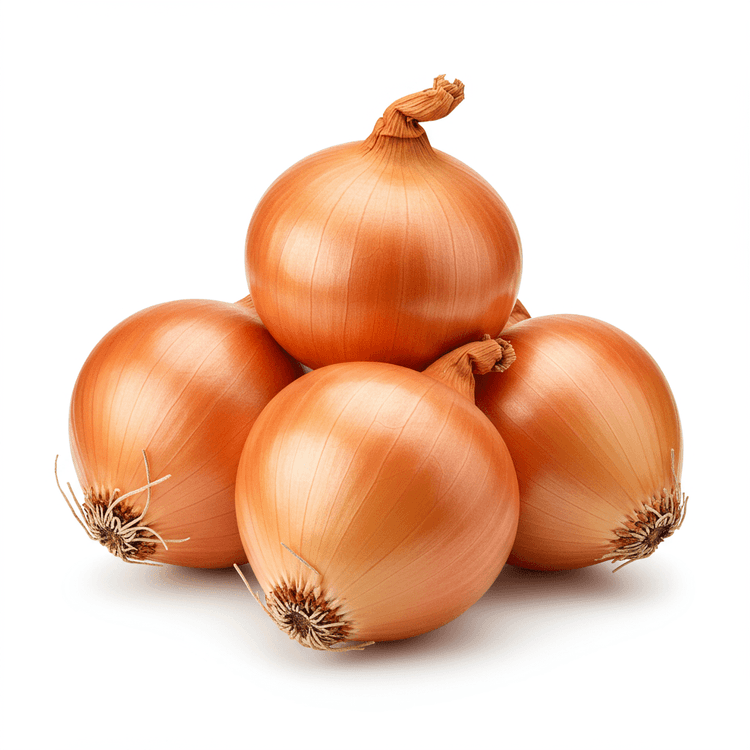
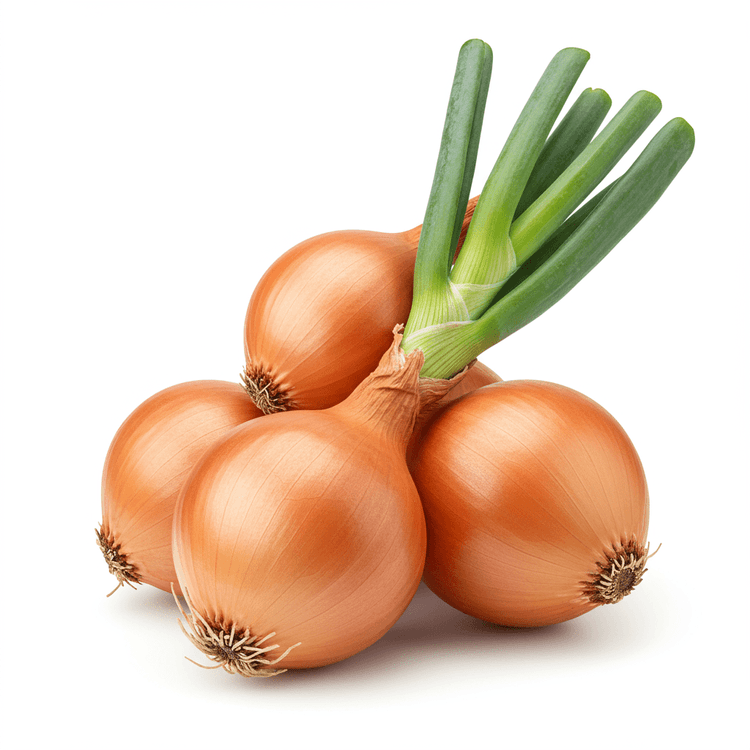
Onions, those humble yet indispensable members of the Allium family, are more than just culinary staples; they are nutritional powerhouses that deserve a place of honor in every kitchen. From the pungent bite of raw red onions in a vibrant salsa to the sweet caramelization of slowly cooked yellow onions in a French onion soup, their versatility is unmatched. But beyond their flavor-enhancing abilities, onions offer a wealth of health benefits backed by science.
One of the most significant advantages of onions lies in their rich antioxidant content. They are brimming with quercetin, a powerful flavonoid known for its anti-inflammatory and antioxidant properties. Quercetin helps neutralize free radicals, protecting your cells from damage and potentially reducing the risk of chronic diseases like heart disease and cancer. Onions are also a good source of vitamin C, an essential nutrient for immune function and collagen production, keeping your skin healthy and resilient. Furthermore, they contain significant amounts of chromium, which plays a vital role in regulating blood sugar levels, making them a beneficial addition to the diet for those managing diabetes or pre-diabetes. The sulfur compounds in onions, responsible for their distinctive odor and flavor, also contribute to their health-promoting effects, offering potential anti-cancer and anti-inflammatory benefits.
In the culinary world, onions reign supreme as a foundational ingredient in countless dishes across various cuisines. They form the base for sauces, stews, soups, and stir-fries, lending depth and complexity to flavors. They can be sautéed, roasted, grilled, caramelized, pickled, or even eaten raw. Popular dishes showcasing onions include French onion soup, onion rings, Spanish tortilla, and numerous Indian curries. They are a crucial component of mirepoix (France), sofrito (Spain), and the "holy trinity" (Creole and Cajun cuisine), highlighting their fundamental role in building flavor in cooking. Roasting onions brings out their natural sweetness, while grilling imparts a smoky char. Even their peels, often discarded, can be used to add color and nutrients to stocks and broths.
Including onions in a balanced diet is crucial for overall wellness due to their unique blend of nutrients and beneficial compounds. Their high fiber content promotes digestive health and helps regulate bowel movements. They also contribute to heart health by helping lower cholesterol levels and blood pressure. Their prebiotics, such as fructans, nourish beneficial gut bacteria, further supporting a healthy digestive system and bolstering immunity. The synergistic effect of the vitamins, minerals, and antioxidants in onions makes them a valuable addition to any diet, offering a holistic approach to health and well-being. So, embrace the humble onion not just for its culinary contributions, but also for its remarkable health-promoting properties. Incorporate them liberally into your cooking and reap the numerous rewards they offer.
Don't underestimate the power of the onion! It is a flavorful and nutritious powerhouse that deserves a place in your daily meals. ||
Onion are an essential part of a healthy diet, providing a wide range of nutrients and health benefits. Explore our collection of onion ingredients.