Nuts are nutritional powerhouses, offering a symphony of health benefits and culinary versatility. From the creamy richness of cashews to the satisfying crunch of almonds, the nut family boasts an impressive array of vitamins, minerals, and antioxidants that contribute to overall well-being. These plant-based wonders are packed with heart-healthy fats, protein, fiber, and essential nutrients, making them a valuable addition to any balanced diet.
One of the most celebrated health benefits of nuts is their positive impact on cardiovascular health. Rich in monounsaturated and polyunsaturated fats, nuts can help lower LDL (bad) cholesterol levels and reduce the risk of heart disease. Almonds, walnuts, and macadamia nuts are particularly renowned for their heart-healthy fat profiles. Furthermore, nuts are a good source of vitamin E, a potent antioxidant that protects cells from damage caused by free radicals. This antioxidant power extends beyond vitamin E; nuts contain a diverse range of phytonutrients that contribute to their overall health-promoting properties. For example, walnuts are an excellent source of omega-3 fatty acids, which are crucial for brain health and reducing inflammation.
The mineral content of nuts is equally impressive. Magnesium, potassium, and calcium are abundant in many varieties, contributing to bone health, nerve function, and muscle function. Brazil nuts, in particular, are exceptionally rich in selenium, a trace mineral that supports thyroid function and acts as an antioxidant. The fiber content of nuts aids in digestion, promotes feelings of fullness, and helps regulate blood sugar levels. This makes them a beneficial snack for individuals managing diabetes or seeking to maintain a healthy weight. The protein content of nuts also contributes to satiety and muscle repair, making them a great addition to vegetarian and vegan diets.
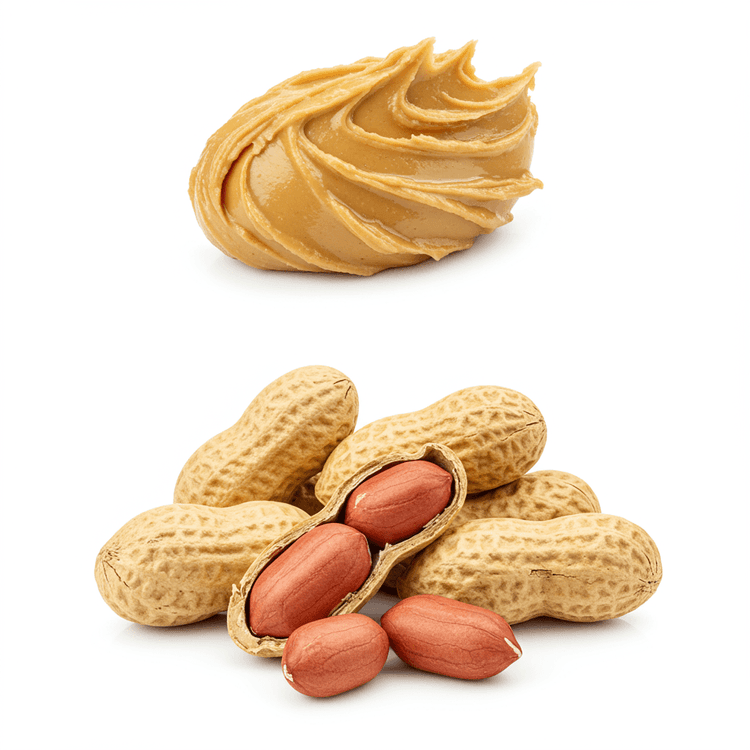
In the culinary world, nuts are incredibly versatile. They can be enjoyed as a standalone snack, added to salads for texture and flavor, incorporated into baked goods, or used to create creamy sauces and spreads. Almonds are a staple in many desserts, from almond biscotti to marzipan. Cashews are often used in Asian-inspired dishes, adding a creamy richness to stir-fries and curries. Walnuts lend a delightful crunch to salads, granola, and baked goods like banana bread. Nut butters, such as peanut butter, almond butter, and cashew butter, are popular spreads for toast, sandwiches, and fruits, offering a quick and convenient source of protein and healthy fats.
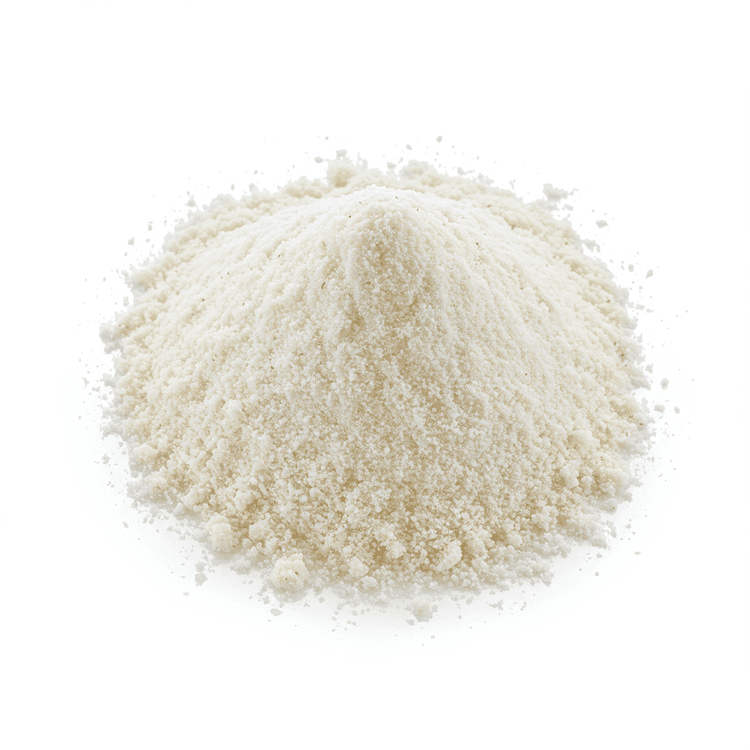
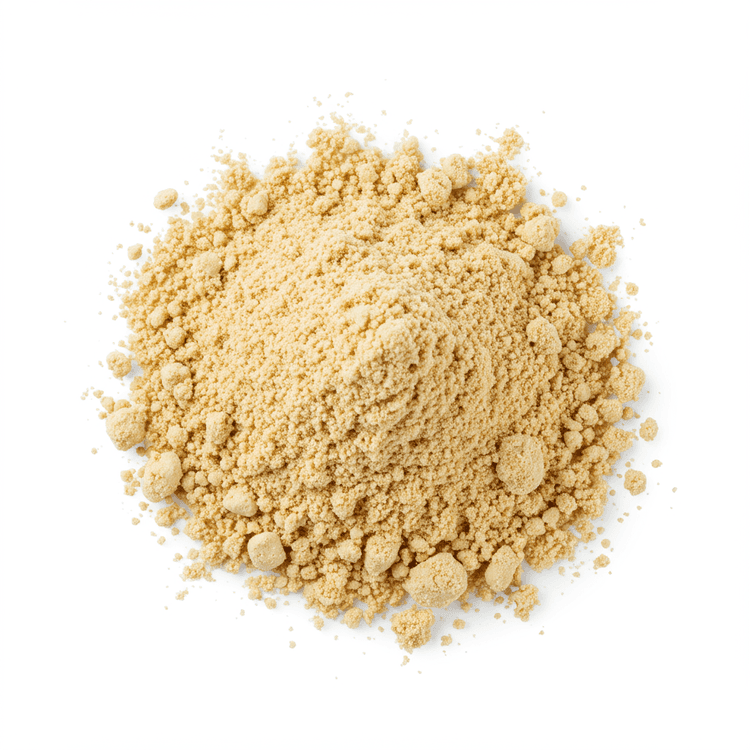
Cooking methods involving nuts are diverse. Roasting nuts enhances their flavor and aroma, making them an irresistible snack. Nuts can be chopped, sliced, or ground to different consistencies, allowing for varied applications in recipes. Nut flours, such as almond flour and hazelnut flour, are popular gluten-free alternatives to wheat flour in baking. Nut milks, made from almonds, cashews, or other nuts, are dairy-free alternatives that can be used in smoothies, coffee, and cooking.
Incorporating nuts into a balanced diet is essential for optimal health and well-being. Their unique nutritional advantages, including their heart-healthy fats, protein, fiber, and micronutrient profile, make them a valuable asset to any eating plan. From boosting brain function to supporting heart health and aiding in weight management, nuts offer a wide range of benefits that contribute to overall vitality. Whether enjoyed as a snack, incorporated into recipes, or used as a culinary ingredient, nuts are a delicious and nutritious way to enhance your diet and promote a healthier lifestyle. ||
Nut Product are an essential part of a healthy diet, providing a wide range of nutrients and health benefits. Explore our collection of nut product ingredients.