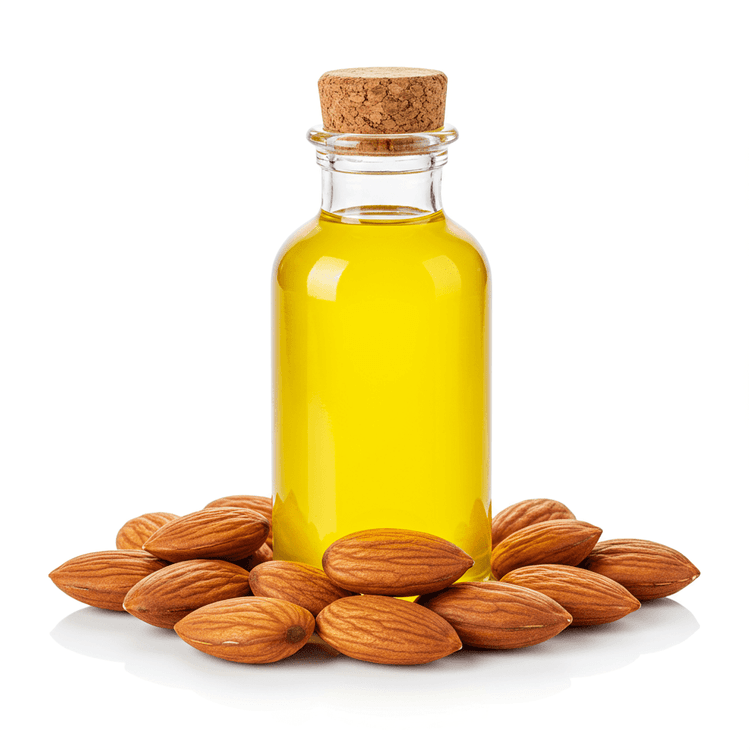
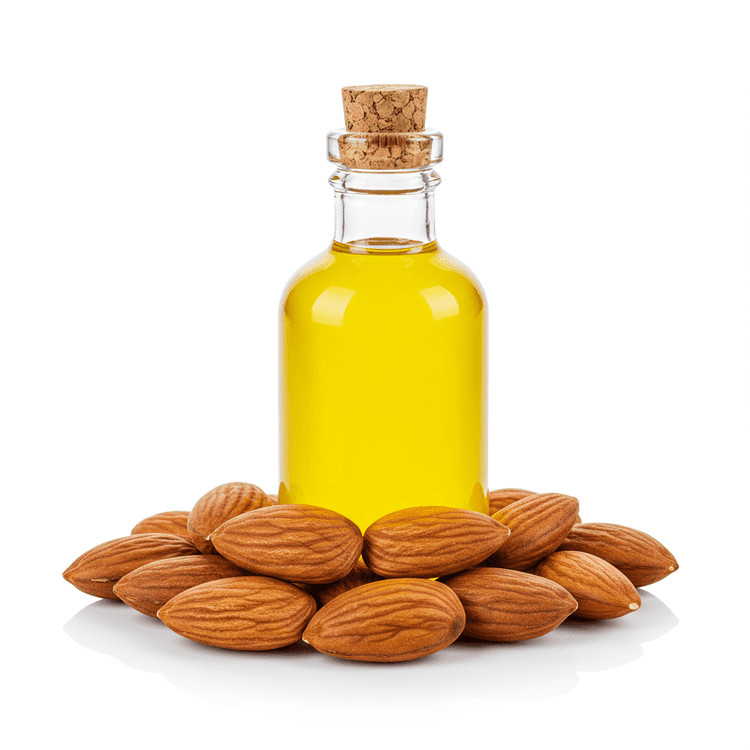
Nut oils, extracted from various nuts like walnuts, almonds, macadamia, and peanuts, offer a diverse range of culinary and health benefits. These oils are prized for their unique flavors and nutritional profiles, making them versatile additions to any kitchen.
From a health perspective, nut oils are generally rich in monounsaturated and polyunsaturated fats, including omega-3 and omega-6 fatty acids. These healthy fats are crucial for heart health, helping to lower bad cholesterol (LDL) and raise good cholesterol (HDL). Walnut oil, for example, is a particularly good source of alpha-linolenic acid (ALA), a type of omega-3 fatty acid that the body converts into EPA and DHA, vital for brain function and reducing inflammation. Almond oil boasts a significant amount of vitamin E, a powerful antioxidant that protects cells from damage and supports healthy skin. Macadamia nut oil is known for its high oleic acid content, similar to olive oil, which contributes to its creamy texture and beneficial effects on cardiovascular health.
The culinary applications of nut oils are vast. Their distinct flavors make them excellent finishing oils, drizzled over salads, roasted vegetables, or grilled meats. Walnut oil adds a nutty depth to vinaigrettes and pasta dishes. Almond oil's delicate sweetness enhances baked goods and desserts. Macadamia nut oil, with its subtle buttery flavor, is ideal for sautéing seafood or adding richness to sauces. Peanut oil, known for its high smoke point, is a popular choice for deep-frying, particularly in Asian cuisine. Beyond these popular applications, hazelnut oil elevates simple pan-fried fish, and pecan oil makes delightful crusts for pies.
Nut oils are important components of a balanced diet because they provide essential fatty acids that the body cannot produce on its own. These fats are not only crucial for heart health but also play a role in hormone production, nutrient absorption, and cell function. The antioxidants present in many nut oils further contribute to overall wellness by fighting free radicals and reducing the risk of chronic diseases. While they are calorie-dense, a little goes a long way. Incorporating nut oils strategically into your diet can provide a concentrated dose of beneficial fats and flavor without excessive consumption of saturated or trans fats.
However, it is important to be mindful of potential allergens. Individuals with nut allergies should avoid nut oils derived from those specific nuts. Additionally, because some nut oils have lower smoke points, it's essential to select the appropriate oil for the cooking method. Using a nut oil with a low smoke point at high heat can degrade the oil and produce harmful compounds. By choosing the right nut oil for the task and being aware of potential allergies, you can unlock a world of flavor and health benefits, enhancing both your culinary creations and your overall well-being. They are a delicious and nutritious way to enrich many recipes. ||
Nut Oil are an essential part of a healthy diet, providing a wide range of nutrients and health benefits. Explore our collection of nut oil ingredients.