Nightshade vegetables, a family encompassing tomatoes, peppers, eggplants, potatoes (excluding sweet potatoes), and goji berries, often get a bad rap, but they offer a wealth of nutritional benefits and culinary versatility when enjoyed as part of a balanced diet. While some individuals may experience sensitivities, for most, these vibrant vegetables contribute significantly to overall health and well-being.
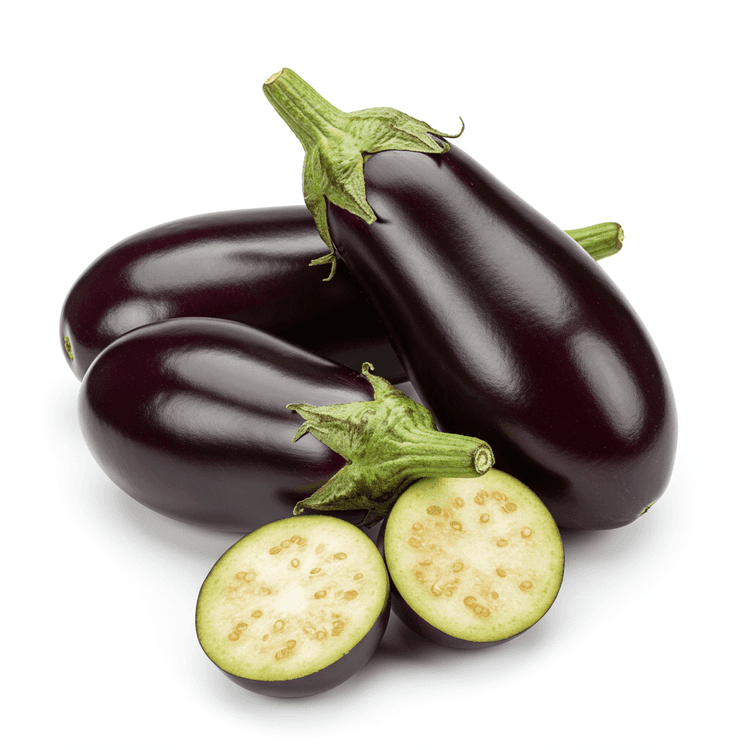
One of the most notable benefits of nightshades is their rich antioxidant content. Tomatoes, for instance, are packed with lycopene, a powerful antioxidant linked to reduced risk of heart disease and certain cancers. Peppers, particularly bell peppers, are abundant in vitamin C, an essential nutrient for immune function and collagen production. Eggplants boast nasunin, an antioxidant that may protect brain cells. Potatoes, while often stigmatized, are a good source of vitamin B6, potassium, and fiber, especially when consumed with their skins. Goji berries are celebrated for their high levels of vitamin A, essential for vision and immune health, as well as zeaxanthin, an antioxidant beneficial for eye health.
From a culinary perspective, nightshades are incredibly diverse. Tomatoes form the base of countless sauces, soups, and stews, and are delicious eaten raw in salads. Peppers add spice and flavor to dishes from around the world, and can be roasted, grilled, stuffed, or stir-fried. Eggplants are commonly used in Mediterranean dishes like moussaka and baba ghanoush, and their meaty texture makes them a popular vegetarian option. Potatoes are incredibly versatile, lending themselves to boiling, baking, frying, and mashing. Goji berries can be enjoyed dried as a snack, added to trail mix, or incorporated into smoothies and baked goods. Popular dishes featuring nightshades include Italian pasta sauces, Spanish paella, Mexican salsas and enchiladas, and Indian curries.
Nightshades play a crucial role in a balanced diet due to their varied nutrient profiles. They provide essential vitamins, minerals, and antioxidants that support various bodily functions, from immune system strength to cardiovascular health. The fiber content in nightshades contributes to digestive health and helps regulate blood sugar levels. While the controversial compound solanine is present, the levels found in commonly consumed nightshades are generally low and pose no threat to most people. The key is moderation and variety. If you suspect a nightshade sensitivity, consult with a healthcare professional or registered dietitian. However, for the vast majority of individuals, incorporating nightshades into their diet offers significant nutritional advantages and enhances the enjoyment of meals.
In conclusion, nightshade vegetables are not to be feared, but rather appreciated for their diverse flavors, textures, and health-promoting properties. By understanding their nutritional contributions and culinary versatility, home cooks and food enthusiasts can confidently incorporate these vibrant vegetables into a well-rounded and delicious diet. ||
Nightshade are an essential part of a healthy diet, providing a wide range of nutrients and health benefits. Explore our collection of nightshade ingredients.