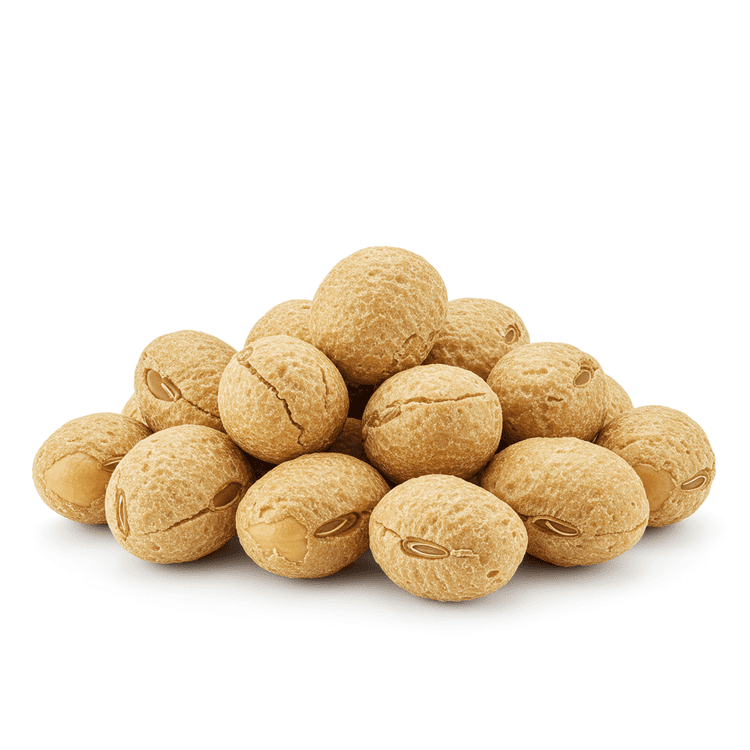
Legumes are a nutritional powerhouse, offering a remarkable array of health benefits and culinary versatility. This diverse category includes beans (kidney, black, pinto, and more), lentils, peas (including chickpeas), and peanuts. Integrating legumes into your diet is a smart move towards a healthier and more balanced lifestyle.
One of the most significant advantages of legumes is their high fiber content. Fiber aids in digestion, promotes gut health, and helps regulate blood sugar levels, making legumes an excellent choice for individuals managing diabetes or aiming for stable energy levels throughout the day. Moreover, fiber contributes to feelings of fullness, which can assist in weight management by reducing overall calorie intake. Beyond fiber, legumes are packed with essential vitamins and minerals. They are a notable source of folate (vitamin B9), crucial for cell growth and development, particularly important during pregnancy. Legumes also provide iron, an essential mineral for red blood cell production and preventing anemia, and potassium, which helps regulate blood pressure. Magnesium, another mineral abundant in legumes, supports muscle and nerve function, while zinc contributes to immune system health.
Legumes are also rich in antioxidants, which combat free radicals in the body and protect against cellular damage, potentially reducing the risk of chronic diseases such as heart disease and cancer. The protein content in legumes is another noteworthy feature. They are an excellent plant-based protein source, making them a valuable addition to vegetarian and vegan diets. Combining legumes with grains creates a complete protein, providing all the essential amino acids your body needs.
Culinary applications of legumes are vast and varied. Beans are a staple in countless dishes worldwide, from hearty chili and flavorful stews to refreshing salads and savory dips. Lentils are incredibly versatile, lending themselves well to soups, curries, and even meatless burgers. Chickpeas are the star ingredient in hummus and falafel, while peas can be enjoyed fresh, frozen, or dried in soups, stews, and side dishes. Peanuts, although technically legumes, are commonly consumed as nuts and are a popular snack, ingredient in sauces (like peanut sauce), and in peanut butter. Common cooking methods include boiling, simmering, pressure cooking, and roasting, each bringing out unique flavors and textures. Dishes like lentil soup, black bean burgers, chickpea curry, and peanut noodles showcase the culinary versatility of legumes.
Incorporating legumes into a balanced diet is crucial for overall wellness due to their unique combination of fiber, protein, vitamins, minerals, and antioxidants. They are a sustainable and affordable food source that can significantly contribute to a healthy lifestyle. By embracing the diversity of legumes and exploring their culinary potential, you can unlock a world of flavor and nourishment that benefits both your health and your palate. Regular consumption of legumes is associated with improved cardiovascular health, better blood sugar control, and a reduced risk of certain cancers, making them an indispensable component of a well-rounded diet. They offer a plant-based protein alternative that supports muscle growth and repair, combined with complex carbohydrates for sustained energy. Their low glycemic index helps prevent energy crashes, and their high nutrient density supports optimal bodily function. ||
Legumes are an essential part of a healthy diet, providing a wide range of nutrients and health benefits. Explore our collection of legumes ingredients.