Leavening agents are the unsung heroes of baking, the magic behind fluffy cakes, airy breads, and perfectly puffed pastries. These substances produce gas within a dough or batter, causing it to expand and rise, ultimately creating the light and desirable textures we crave in baked goods. From the simplest bread recipes relying on wild yeast to the most intricate patisserie creations using precise chemical leavening, understanding these agents is key to successful baking.
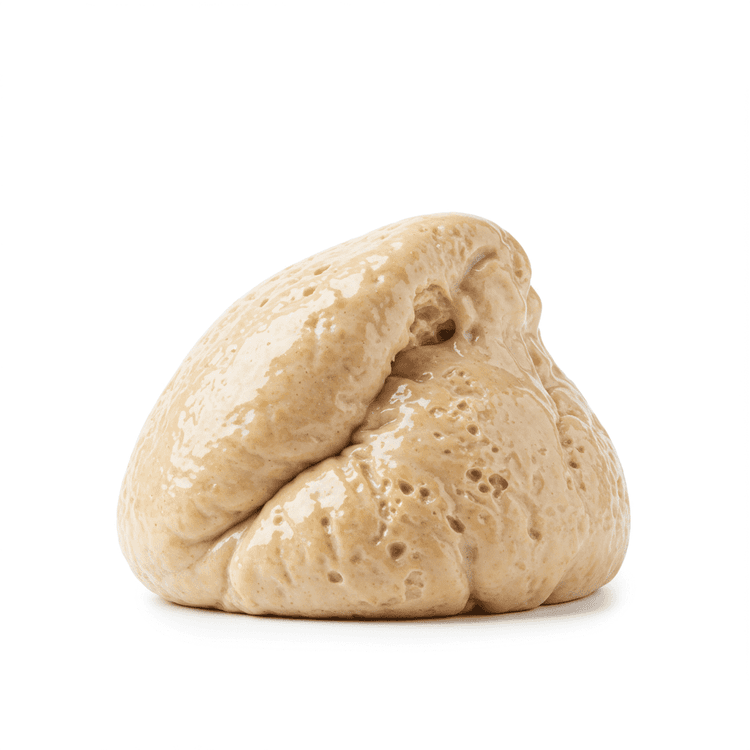
Beyond their role in texture, leavening agents can subtly contribute to the nutritional profile of baked goods. While the agents themselves don't pack a nutritional punch, the types of flour and ingredients they enable to be used in baking can offer benefits. For example, sourdough bread, leavened by a culture of wild yeast and bacteria, boasts improved digestibility and bioavailability of minerals like iron and zinc compared to conventionally leavened bread. The fermentation process breaks down phytic acid, an antinutrient that inhibits mineral absorption. Choosing whole wheat flour when making quick breads that rely on baking powder allows for a boost in fiber, B vitamins, and magnesium. These nutrients are vital for energy production, nerve function, and maintaining healthy digestion.
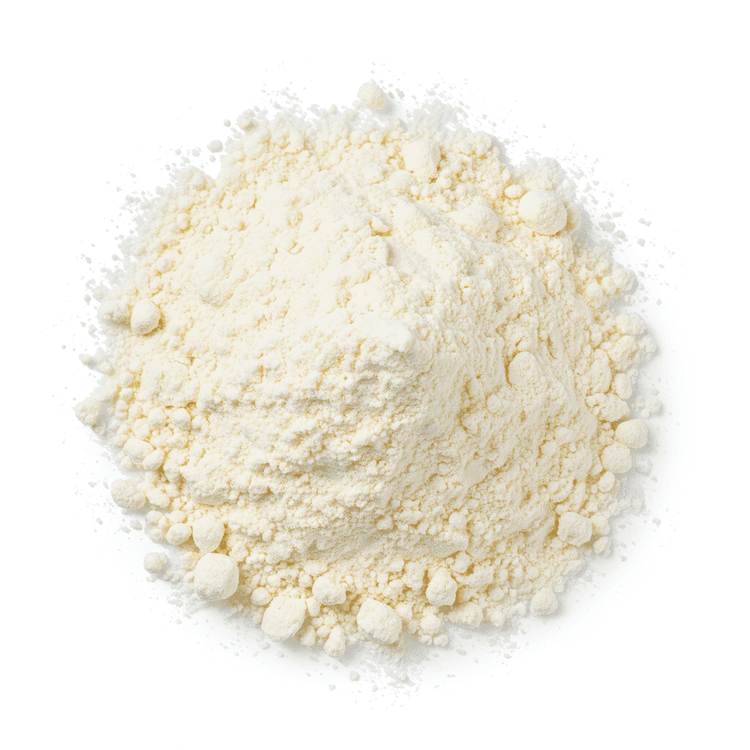
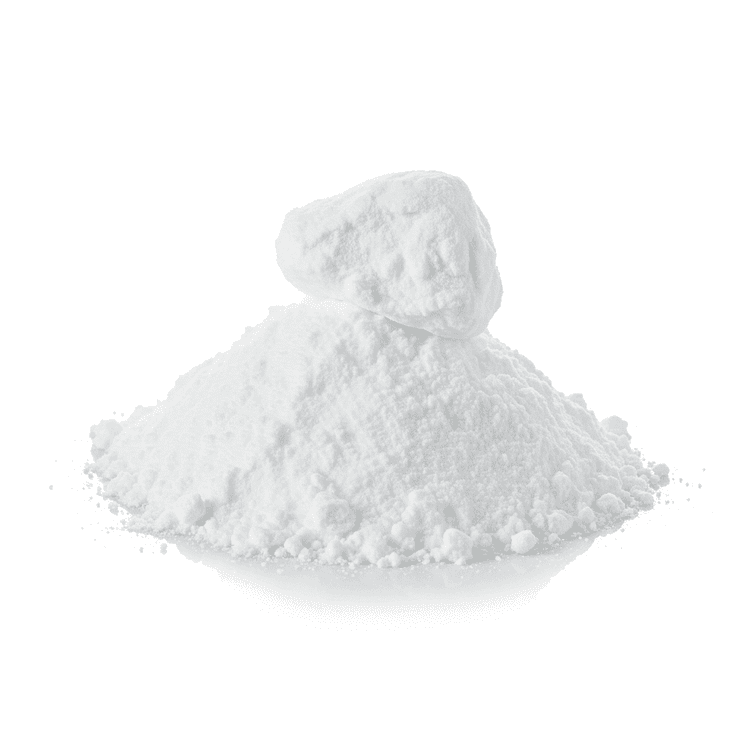
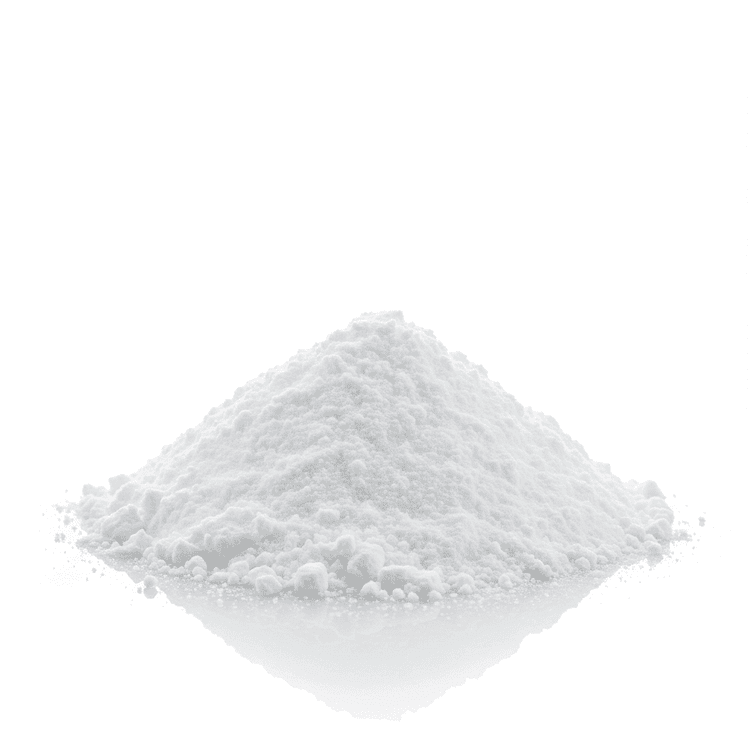
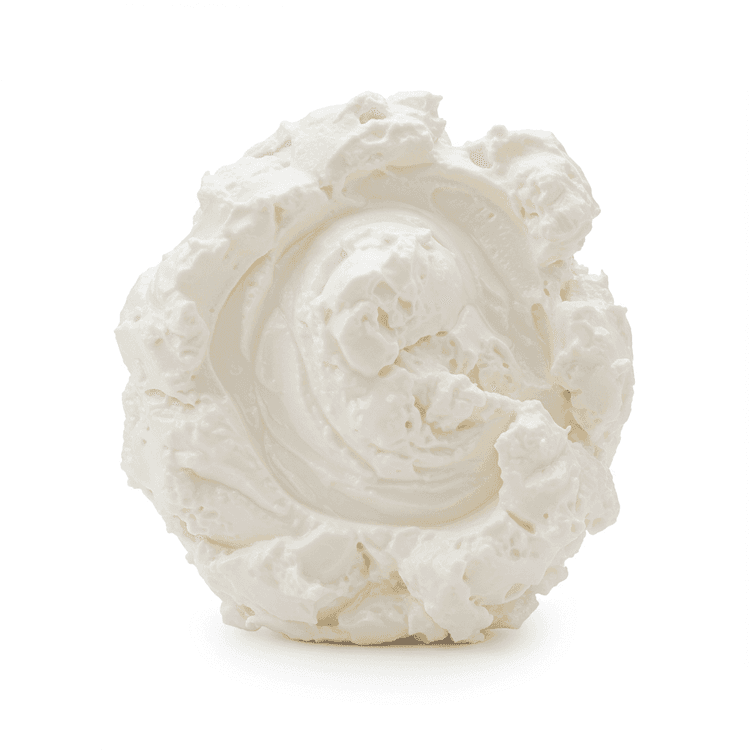
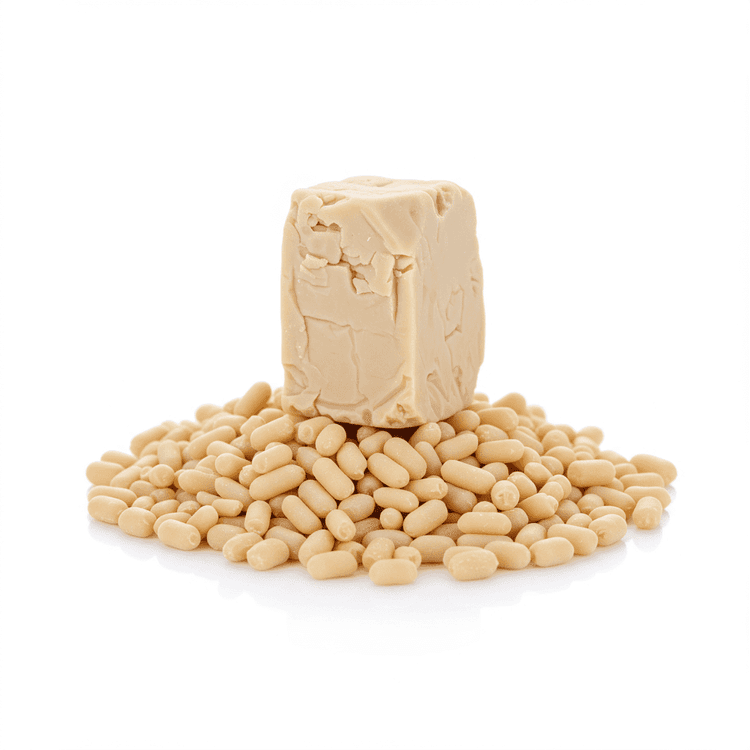
There are several main categories of leavening agents, each with its own characteristics and applications. Yeast, a biological leavening agent, is used in breads, pizza dough, and some pastries. Baking soda (sodium bicarbonate) is a chemical leavening agent that requires an acidic ingredient, like lemon juice, buttermilk, or brown sugar, to activate and produce carbon dioxide. Baking powder is a complete leavening agent, containing both an acid and a base, and is commonly used in cakes, muffins, and biscuits. Steam, another physical leavening agent, is responsible for the rise in puff pastry and éclairs. The high heat converts the water in the dough to steam, causing the layers to separate and puff up.
In culinary applications, leavening agents are incredibly versatile. Sourdough bread, with its tangy flavor and chewy texture, is a staple in many cuisines. Baking powder is indispensable for quick breads like muffins, scones, and pancakes, allowing for a quick and easy bake. Yeast is the foundation of countless breads and pastries, from crusty baguettes to sweet cinnamon rolls. Mastering the use of these agents allows for a wide range of delicious possibilities in the kitchen.
The importance of leavening agents in a balanced diet stems from their ability to make staple foods more palatable and digestible. By creating a light and airy texture, they can make breads and other baked goods easier to eat and enjoy. Furthermore, the improved digestibility offered by some leavening methods, like sourdough fermentation, enhances nutrient absorption. While not direct providers of nutrients, leavening agents facilitate the consumption and enjoyment of foods that can contribute to a balanced and healthy diet. Using them skillfully allows for the creation of delicious and nutritious baked goods, contributing to overall wellness by making wholesome ingredients more appealing and accessible. Understanding the science behind these agents allows you to adjust recipes, and use the right method for the right recipe. A well leavened bread or cake is more than just a tasty treat; it is a testament to the power of culinary science to enhance our enjoyment and benefit from food. ||
Leavening Agent are an essential part of a healthy diet, providing a wide range of nutrients and health benefits. Explore our collection of leavening agent ingredients.