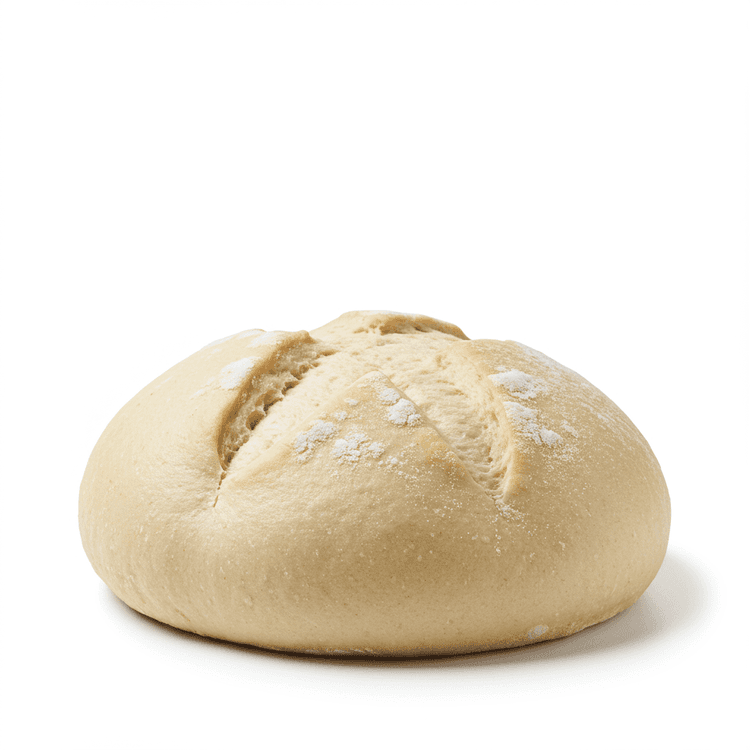
Leavened dough, the magic behind fluffy breads, airy pizzas, and delectable pastries, is more than just a mixture of flour, water, and yeast. It's a foundation of culinary traditions worldwide, offering a unique canvas for flavors and textures. The process of leavening, whether through yeast, baking soda, or sourdough cultures, transforms simple ingredients into foods that are both nourishing and comforting.
The primary benefit of leavened dough lies in its digestibility. The fermentation process, especially with yeast or sourdough, breaks down complex carbohydrates, making the resulting bread easier to digest and potentially improving nutrient absorption. Some studies suggest that sourdough fermentation, in particular, can reduce the glycemic index of bread, leading to a slower release of glucose into the bloodstream. While leavened dough itself doesn't inherently contain high levels of vitamins and minerals, the type of flour used significantly impacts its nutritional profile. Whole wheat flour, for instance, contributes fiber, iron, and B vitamins. Enriching white flour with vitamins like folic acid is also a common practice, adding to the nutritional value of many commercially produced breads.
Culinary applications of leavened dough are incredibly diverse. From the crusty baguette in France to the pillowy naan in India, each culture boasts its signature leavened bread. Pizza dough, perhaps one of the most globally recognized forms, offers a blank slate for endless toppings and flavors. Breads can be baked, fried (like doughnuts or beignets), steamed (like bao buns), or even grilled. Beyond bread, leavened dough is essential for pastries like croissants, cinnamon rolls, and sweet buns, where the airy texture complements rich fillings and glazes. The baking method also significantly affects the final product. A high-temperature oven yields a crisp crust, while a lower temperature results in a softer, more tender crumb.
Including leavened dough products in a balanced diet requires mindful choices. While white bread offers carbohydrates for energy, opting for whole grain versions significantly increases fiber intake, which is crucial for digestive health and regulating blood sugar levels. Fiber also promotes satiety, helping to control appetite and manage weight. Breads made with whole grains can contribute to heart health by lowering cholesterol levels. When choosing leavened dough products, consider the ingredients list. Look for options with minimal added sugars, fats, and preservatives. Homemade bread allows for complete control over ingredients, ensuring a healthier and more wholesome final product. In moderation, and with careful selection of ingredients, leavened dough can be a valuable and enjoyable part of a healthy dietary pattern. It provides energy, contributes to cultural traditions, and offers a satisfying textural experience that complements a wide range of cuisines. The key is to prioritize whole grains and be mindful of portion sizes to maximize its nutritional benefits. ||
Leavened Dough are an essential part of a healthy diet, providing a wide range of nutrients and health benefits. Explore our collection of leavened dough ingredients.