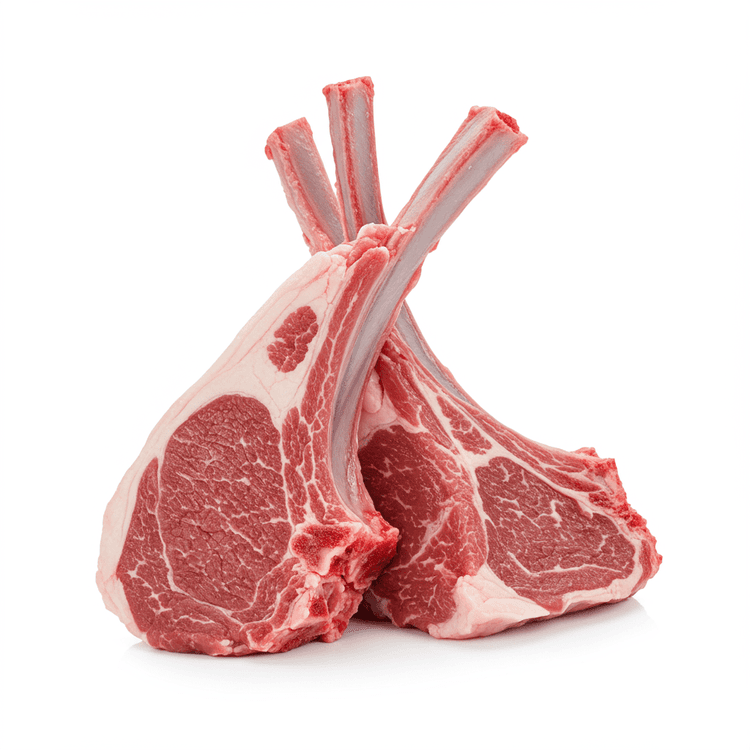
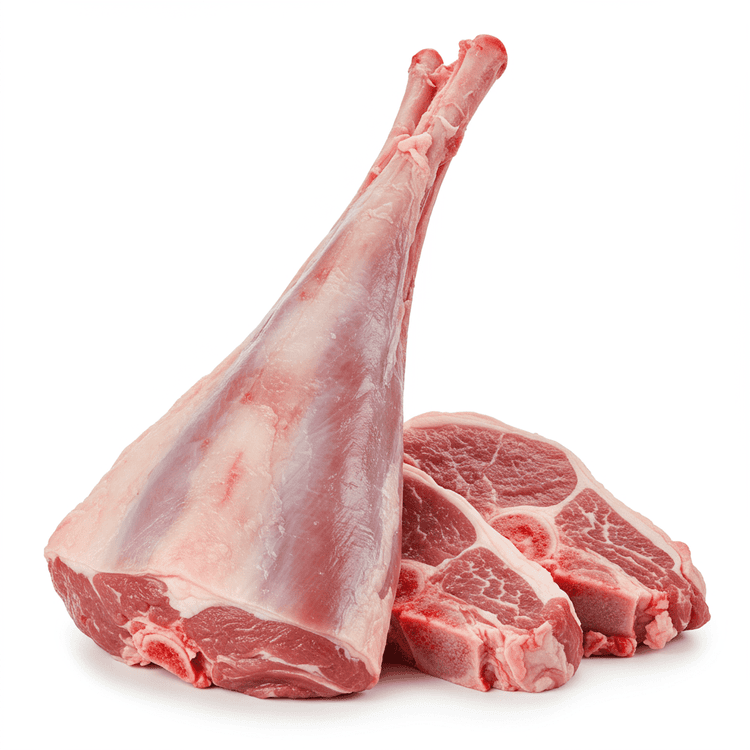
Lamb, a red meat derived from young sheep, has been a culinary staple across cultures for centuries, prized for its distinctive flavor and nutritional profile. Beyond its culinary versatility, lamb offers a range of health benefits when consumed as part of a balanced diet.
From a nutritional perspective, lamb is a significant source of high-quality protein, essential for building and repairing tissues, producing enzymes and hormones, and supporting overall cellular function. A serving of lamb provides a substantial amount of complete protein, containing all nine essential amino acids that the body cannot produce on its own. Furthermore, lamb is rich in vital vitamins and minerals, including vitamin B12, crucial for nerve function and red blood cell formation; iron, essential for oxygen transport and preventing anemia; zinc, supporting immune function and wound healing; and selenium, an antioxidant that helps protect against cellular damage. It also provides niacin, riboflavin, and phosphorus.
The fat content of lamb, while sometimes a concern, is not entirely detrimental. Lamb contains both saturated and unsaturated fats, including conjugated linoleic acid (CLA), a type of fatty acid that has been associated with potential health benefits, such as improved insulin sensitivity and reduced body fat. Choosing leaner cuts of lamb, like the leg or loin, and trimming visible fat can help minimize saturated fat intake.
In the kitchen, lamb shines with its adaptability to various cooking methods and cuisines. From succulent roasts and flavorful stews to grilled chops and ground lamb dishes, the possibilities are endless. In Mediterranean cuisine, lamb is frequently featured in dishes like moussaka and gyros, showcasing its compatibility with herbs, spices, and vegetables. Middle Eastern cuisine incorporates lamb into kebabs, tagines, and biryanis, highlighting its ability to absorb rich and aromatic flavors. In Western cuisine, lamb is often roasted with rosemary and garlic, creating a classic and comforting dish. Ground lamb is a versatile ingredient for burgers, meatballs, and sauces. Slow cooking methods, such as braising or stewing, tenderize tougher cuts of lamb, resulting in melt-in-your-mouth textures and deeply flavorful dishes.
Including lamb in a balanced diet can contribute to overall wellness by providing essential nutrients that support various bodily functions. The high protein content promotes satiety, aiding in weight management and muscle building. The iron content is particularly important for women of reproductive age and individuals prone to iron deficiency. The B vitamins contribute to energy production and nerve health. The zinc and selenium support a strong immune system. However, it is important to consume lamb in moderation as part of a varied diet that emphasizes fruits, vegetables, and whole grains. Consider the cooking method; grilling, baking, or broiling are preferable to frying. Selecting lean cuts and trimming excess fat can also help manage fat intake. By making informed choices, you can enjoy the delicious flavor and nutritional benefits of lamb while maintaining a healthy lifestyle. Lamb offers a unique and satisfying way to incorporate vital nutrients into your diet, providing a delicious and versatile protein source for a variety of meals. ||
Lamb are an essential part of a healthy diet, providing a wide range of nutrients and health benefits. Explore our collection of lamb ingredients.