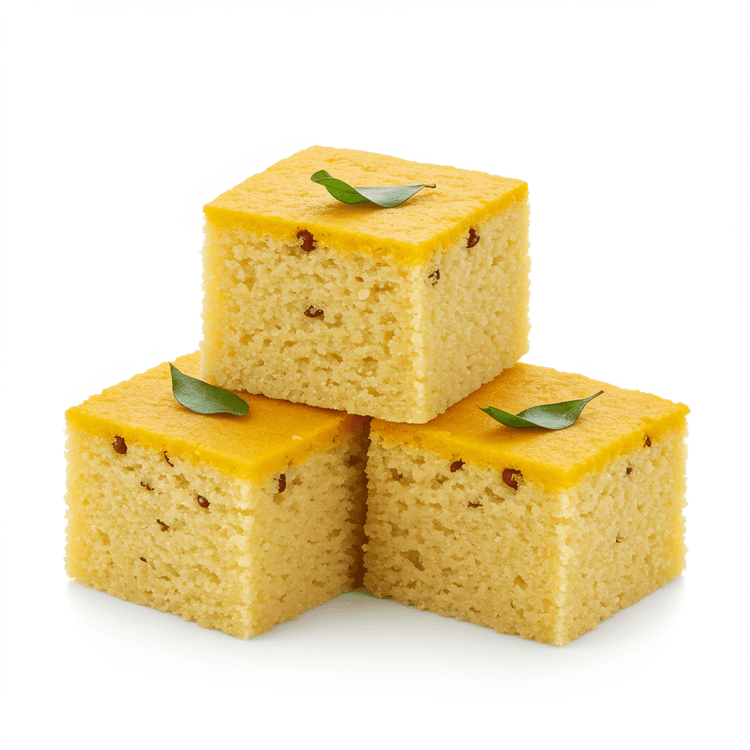
Indian cuisine, a vibrant tapestry of flavors and aromas, offers a wealth of health benefits alongside its culinary delights. This diverse culinary landscape, originating from the Indian subcontinent, boasts dishes rich in spices like turmeric, ginger, and cumin, each offering unique medicinal properties and contributing to overall wellness. From creamy curries to crispy dosas and flavorful biryanis, Indian food provides a delicious pathway to a balanced and nutritious diet.
One of the greatest strengths of Indian cuisine lies in its diverse use of spices. Turmeric, with its active compound curcumin, is a powerful antioxidant and anti-inflammatory agent, potentially reducing the risk of chronic diseases. Ginger aids digestion and reduces nausea, while cumin promotes gut health and may even help regulate blood sugar levels. These are just a few examples of the many spices that contribute to the health-promoting properties of Indian food. Many dishes are also vegetarian or easily adapted to vegetarianism, making them naturally high in fiber from vegetables, lentils, and beans. These plant-based sources provide essential nutrients, support healthy digestion, and contribute to satiety, aiding in weight management. Dals, a staple in Indian diets, are packed with protein and fiber, contributing to muscle building and sustained energy levels.
Indian cuisine encompasses a vast array of culinary techniques. Tandoori cooking, utilizing a clay oven, creates lean, flavorful meats and breads. Curries, simmered in aromatic sauces, can feature vegetables, lentils, chicken, lamb, or fish. Rice dishes like biryani and pulao showcase fragrant spices and tender meats or vegetables. Dosas and idlis, fermented lentil and rice crepes, are a probiotic-rich breakfast staple. Popular dishes include butter chicken, a creamy tomato-based curry; saag paneer, spinach and cheese curry; chana masala, a flavorful chickpea curry; and samosas, savory pastries filled with potatoes and peas. From the fiery vindaloo to the subtly spiced korma, Indian cuisine offers a flavor profile for every palate.
Including Indian cuisine in a balanced diet can significantly contribute to overall wellness. The emphasis on whole grains, legumes, vegetables, and spices provides a rich source of vitamins, minerals, and antioxidants. The use of healthy fats, such as ghee (clarified butter) in moderation, can also offer health benefits. Furthermore, the mindful consumption encouraged by Indian traditions promotes better digestion and nutrient absorption. While some Indian dishes can be high in fat and calories, choosing lighter options, such as vegetable-based curries or grilled meats, and controlling portion sizes can ensure that Indian cuisine remains a healthy and delicious part of your diet. The inherent diversity of flavors and ingredients within Indian cooking allows for endless experimentation and customization, catering to individual dietary needs and preferences. By incorporating the principles of balance and moderation, you can enjoy the rich tapestry of Indian flavors while promoting optimal health and well-being. ||
Indian Cuisine are an essential part of a healthy diet, providing a wide range of nutrients and health benefits. Explore our collection of indian cuisine ingredients.