Herbs, in their various preparations, offer a powerhouse of flavor and health benefits, far beyond just seasoning. From fresh sprigs to dried powders, herbal infusions to potent extracts, understanding how to utilize these botanical treasures unlocks a world of culinary possibilities and wellness advantages.
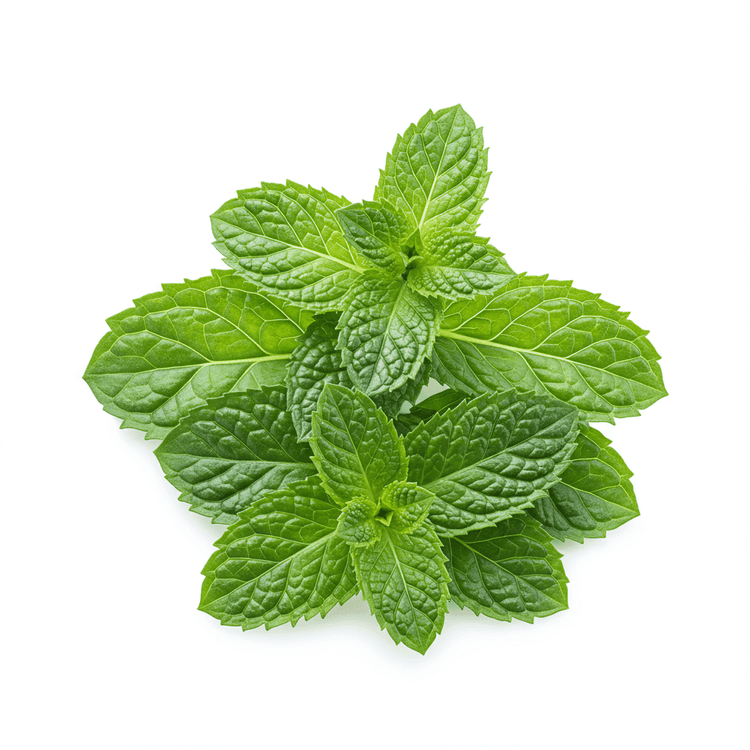
Fresh herbs, like basil, mint, and cilantro, are bursting with volatile oils that contribute to their vibrant aroma and distinctive taste. These oils also contain antioxidants, compounds that help protect your cells from damage caused by free radicals. Regularly incorporating fresh herbs into your diet can contribute to reduced inflammation and improved overall health. The vibrant green color of many herbs indicates a high chlorophyll content, which supports detoxification and oxygenation in the body.
Drying herbs concentrates their flavors and allows for longer storage. Dried oregano, thyme, and rosemary are staples in many cuisines. The drying process can slightly alter the chemical composition of the herbs, sometimes increasing the concentration of certain beneficial compounds. For example, dried thyme is known for its antiseptic and expectorant properties, making it a popular ingredient in cough remedies.
Herbal infusions, or teas, are a gentle and effective way to extract beneficial compounds from herbs. Chamomile, lavender, and peppermint teas are popular for their calming and digestive properties. The hot water helps release essential oils and other water-soluble nutrients, making them easily absorbed by the body. Consuming herbal teas can support hydration, reduce stress, and improve sleep quality.
Herbal extracts, often in liquid form, are concentrated sources of specific compounds. Turmeric extract, for example, is rich in curcumin, a potent anti-inflammatory and antioxidant. These extracts are often used in supplements and functional foods to deliver a targeted dose of beneficial nutrients. However, it's important to use herbal extracts cautiously and consult with a healthcare professional, especially if you have underlying health conditions or are taking medications.
Culinary applications of herbs are endless. Fresh herbs brighten salads, soups, and sauces. Dried herbs add depth and complexity to stews, roasts, and baked goods. Herbal infusions can be used as flavorful bases for soups or as refreshing beverages. Experimenting with different herb combinations is a fantastic way to elevate your cooking and create unique flavor profiles. Consider using basil with tomatoes and mozzarella in a Caprese salad, or adding rosemary to roasted potatoes for an aromatic side dish. Infuse olive oil with garlic and herbs for a flavorful dipping oil or salad dressing.
Herbs are essential for a balanced diet because they provide a concentrated source of vitamins, minerals, and antioxidants with minimal calories. They are often rich in vitamins A, C, and K, as well as minerals like iron and calcium. Regularly incorporating herbs into your meals can help you meet your daily nutrient requirements and support optimal health. Their unique nutritional advantages lie in their ability to provide potent medicinal compounds in small doses, offering a natural and delicious way to enhance your well-being. ||
Herb Preparation are an essential part of a healthy diet, providing a wide range of nutrients and health benefits. Explore our collection of herb preparation ingredients.