Grass, often overlooked as mere lawn covering, represents a vibrant category of edible plants with surprising nutritional value and culinary potential. While not directly consumed in the same way as fruits or vegetables, certain grasses and their derivatives offer a wealth of health benefits, making them a worthwhile addition to a balanced diet. Think beyond your backyard; consider the nutritional powerhouses derived from grasses, such as wheatgrass, barley grass, and even cereals like rice, wheat, and corn.
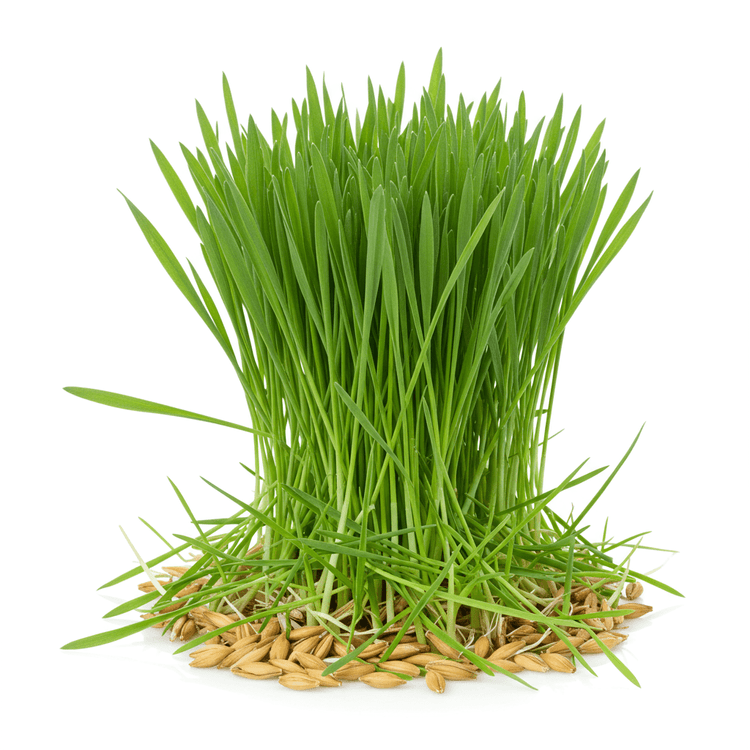
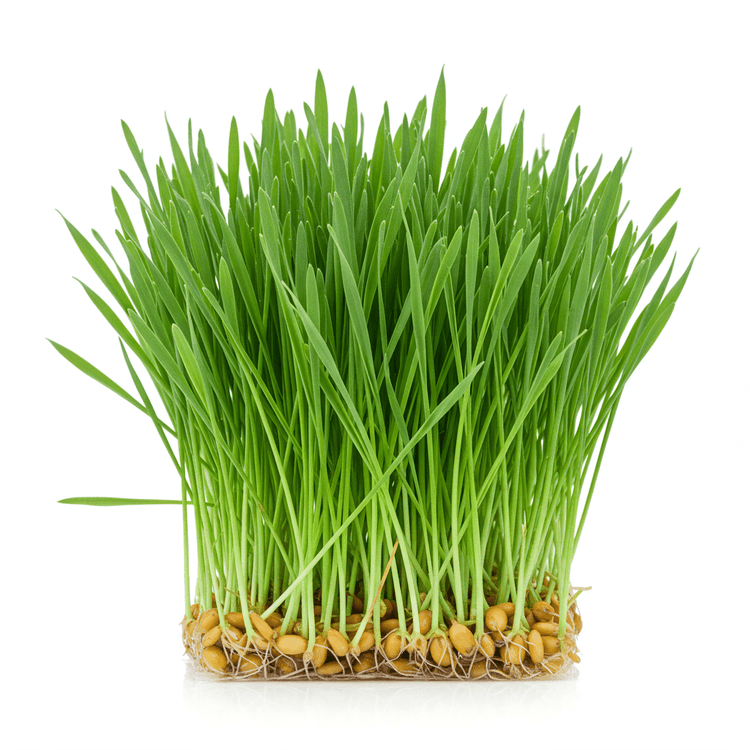
Wheatgrass, for example, is a concentrated source of chlorophyll, the green pigment that helps plants convert sunlight into energy. Chlorophyll is believed to have detoxifying and antioxidant properties, supporting liver health and protecting cells from damage caused by free radicals. Wheatgrass is also packed with vitamins A, C, and E, along with essential minerals like iron, calcium, and magnesium. These nutrients contribute to immune system support, bone health, and overall vitality. Barley grass shares a similar nutritional profile, offering a slightly milder flavor and ease of digestion.
Beyond specialized grass derivatives, cereal grains, derived from grasses, form the cornerstone of many diets worldwide. Rice, a staple food for billions, provides carbohydrates for energy, along with trace minerals and some B vitamins. Whole grains, including brown rice and whole wheat, offer even greater nutritional benefits, thanks to their higher fiber content. Fiber aids in digestion, promotes satiety, and helps regulate blood sugar levels. These whole grains also contain antioxidants and phytonutrients that contribute to heart health and reduce the risk of chronic diseases.
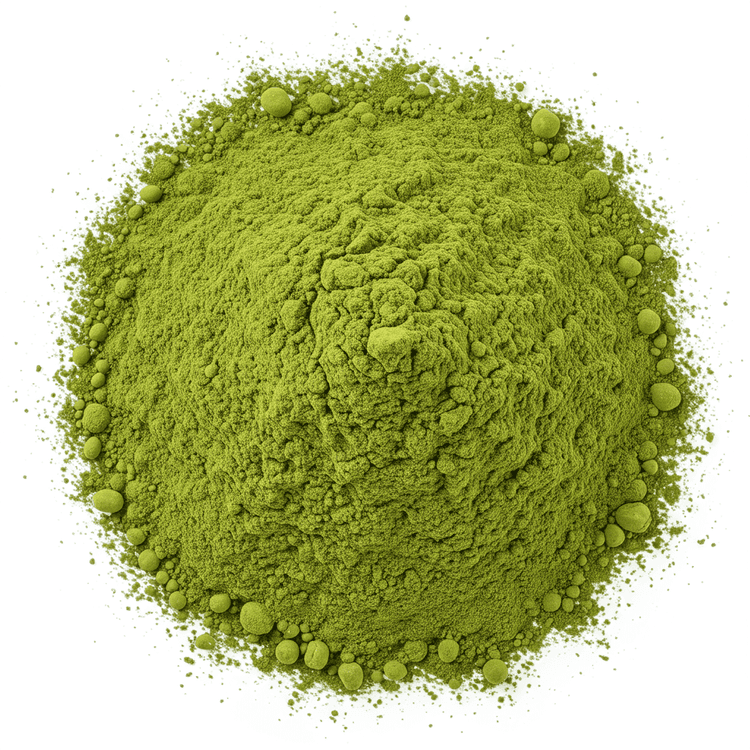
In culinary applications, wheatgrass is commonly juiced or added to smoothies for a nutritional boost. Barley grass can be found in powdered form and incorporated into drinks or sprinkled on meals. Cereal grains are incredibly versatile, forming the basis of breads, pasta, cereals, and numerous other dishes. From a simple bowl of oatmeal to a complex paella, grasses and their derivatives are integral to countless cuisines. Consider incorporating brown rice into stir-fries, using whole wheat flour in baking, or adding a shot of wheatgrass to your morning juice for a powerful nutritional punch.
Grasses play a vital role in a balanced diet by providing essential nutrients, including vitamins, minerals, and fiber. They offer unique antioxidant benefits, particularly through chlorophyll in wheatgrass and barley grass. The fiber content in whole grains is crucial for digestive health and blood sugar control. Moreover, the versatility of cereal grains makes them an indispensable source of energy and nourishment. By recognizing the hidden potential of grasses and their derivatives, you can enrich your diet and enhance your overall well-being. Don't underestimate the power of these often-overlooked plants; they offer a surprisingly diverse range of nutritional benefits that contribute to a healthier and more vibrant you. ||
Grass are an essential part of a healthy diet, providing a wide range of nutrients and health benefits. Explore our collection of grass ingredients.