Exploring the World of Grain Alternatives: Nourishing Choices for a Balanced Diet
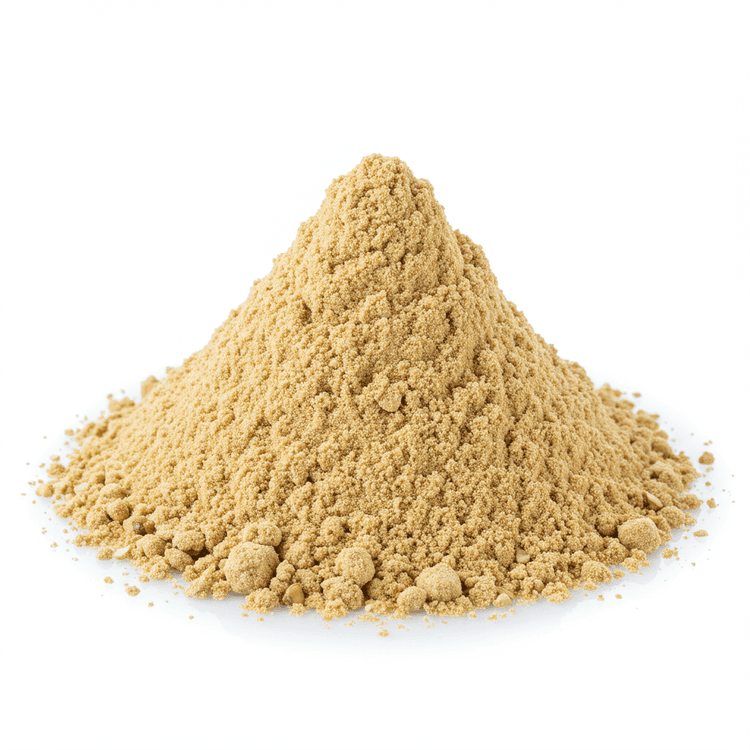
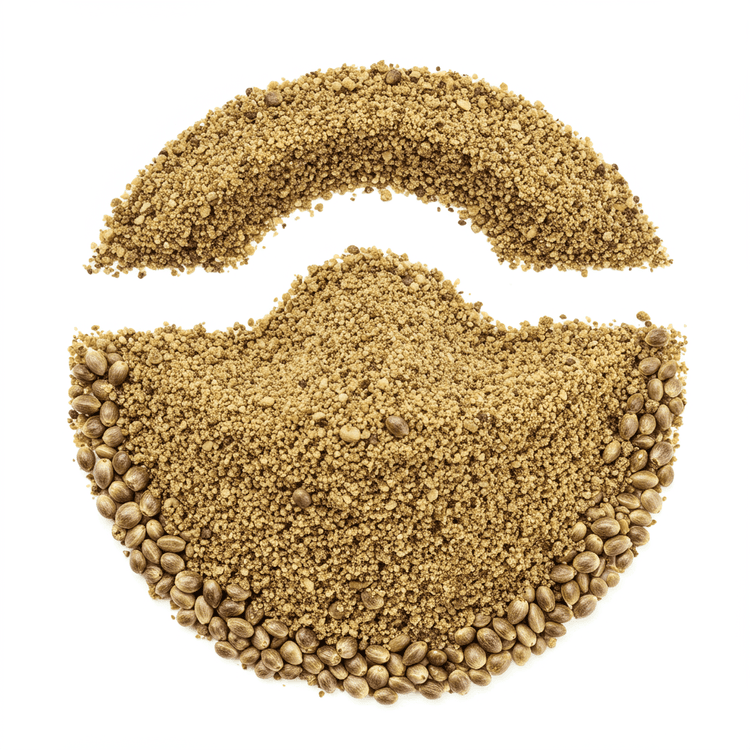
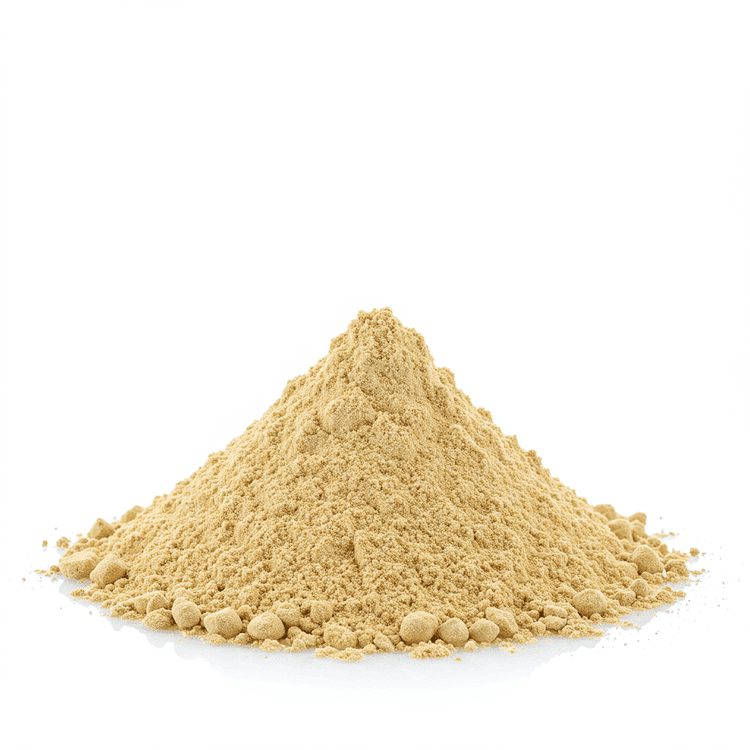
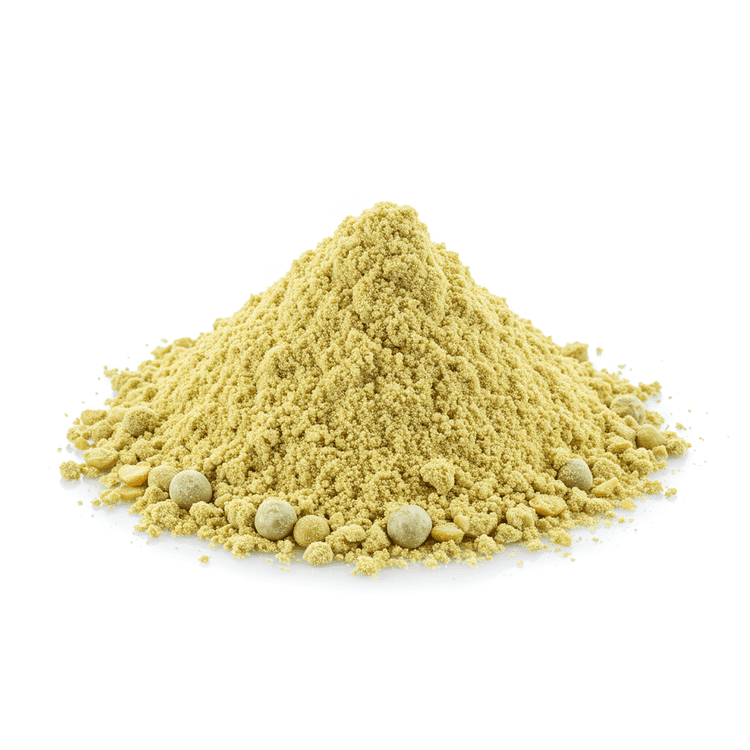
In today's health-conscious world, many are seeking alternatives to traditional grains like wheat, rice, and corn. Whether driven by dietary restrictions, such as gluten intolerance or celiac disease, or simply a desire for greater nutritional diversity, grain alternatives offer a wealth of exciting and beneficial options. These diverse seeds, pseudo-grains, and even roots provide essential nutrients and unique flavors that can enhance any meal. Understanding the value of these alternatives is key to creating a more balanced and satisfying dietary lifestyle.
So, what exactly falls under the umbrella of grain alternatives? Think beyond the usual suspects. Quinoa, often considered the king of alternatives, is a complete protein, offering all nine essential amino acids. Buckwheat, despite its name, is not related to wheat and is naturally gluten-free. Amaranth, another ancient grain, is packed with iron and calcium. But the list doesn't stop there. Consider the versatility of teff, a tiny grain from Ethiopia, or the nutty flavor of millet. Even seeds like chia and flax, while not technically grains, can be incorporated into meals to provide fiber, omega-3 fatty acids, and valuable micronutrients.
From a nutritional perspective, grain alternatives are often superior to refined grains. They tend to be richer in fiber, which aids digestion, promotes satiety, and helps regulate blood sugar levels. Many are also excellent sources of essential minerals like magnesium, iron, and zinc, all crucial for maintaining energy levels and overall health. Furthermore, some grain alternatives, like quinoa and amaranth, offer a complete protein profile, making them particularly valuable for vegetarians and vegans. By incorporating a variety of these options into your diet, you can ensure you're getting a broader spectrum of vitamins, minerals, and antioxidants, contributing to improved immune function and reduced risk of chronic diseases.
Culinary applications of grain alternatives are incredibly diverse. Quinoa can be used in salads, soups, or as a side dish in place of rice. Buckwheat flour is a popular ingredient in pancakes, crepes, and soba noodles. Amaranth can be popped like popcorn or cooked into porridge. Teff is traditionally used to make injera, a spongy flatbread in Ethiopian cuisine. Millet can be cooked as a grain or ground into flour for baking. Even chia and flax seeds can be added to smoothies, baked goods, or sprinkled on salads for a boost of nutrients and texture.
The beauty of grain alternatives lies in their adaptability. Experiment with different grains and recipes to discover your favorites. Try replacing white rice with quinoa in your next stir-fry, or using buckwheat flour to bake muffins. Add a handful of amaranth to your morning oatmeal, or sprinkle chia seeds on your yogurt. The possibilities are endless, and the nutritional rewards are significant. Prioritizing grain alternatives in your diet is not just about avoiding gluten; it's about embracing a wider range of nutrients, flavors, and textures, leading to a more vibrant and fulfilling relationship with food and overall well-being.
In conclusion, grain alternatives are essential for a balanced diet because they provide unique nutritional advantages beyond those found in traditional grains. They are often richer in fiber, protein, and essential micronutrients, contributing to improved digestion, satiety, and overall health. Their versatility in the kitchen makes them easy to incorporate into a variety of dishes, allowing you to explore new flavors and textures while nourishing your body with wholesome ingredients. Embrace the world of grain alternatives and unlock a new level of dietary diversity and well-being. ||
Grain Alternative are an essential part of a healthy diet, providing a wide range of nutrients and health benefits. Explore our collection of grain alternative ingredients.