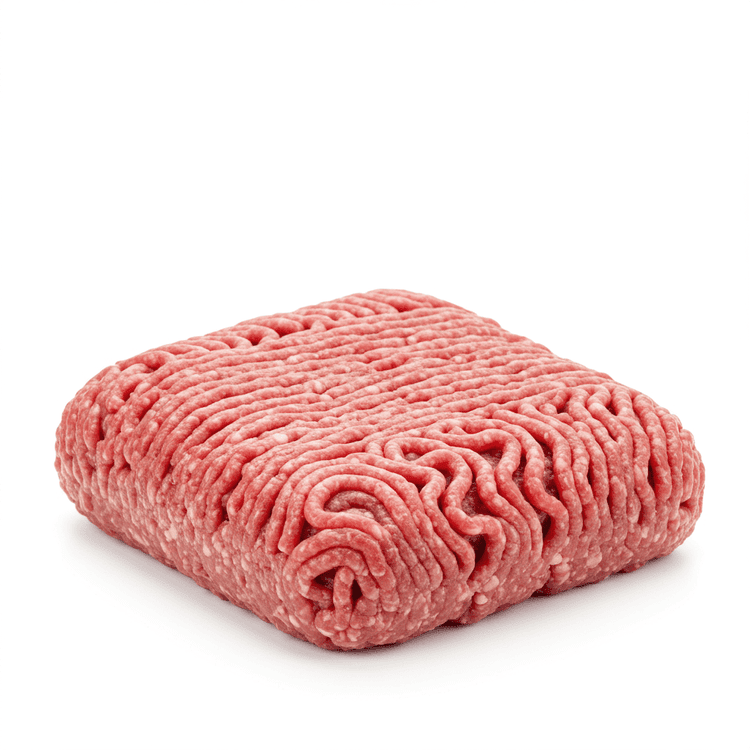
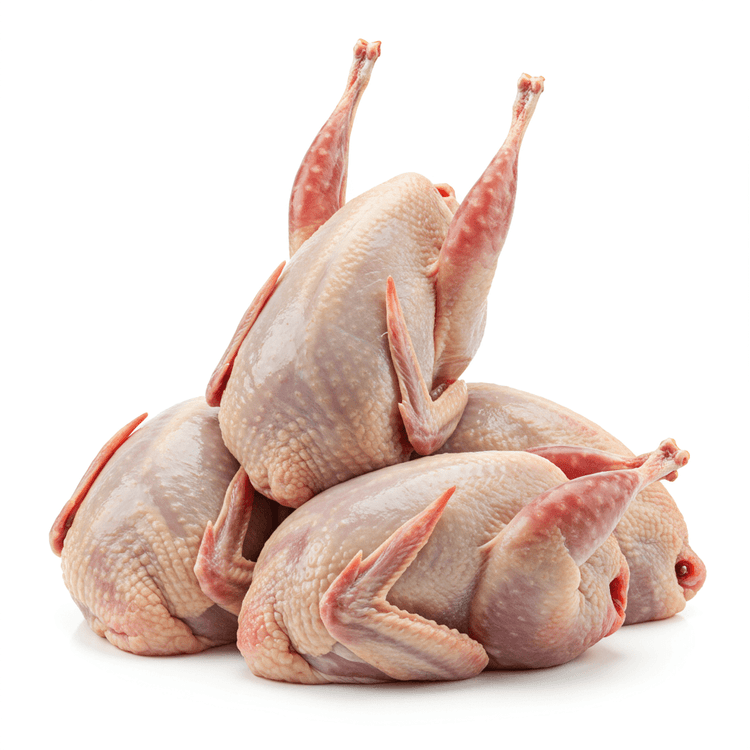
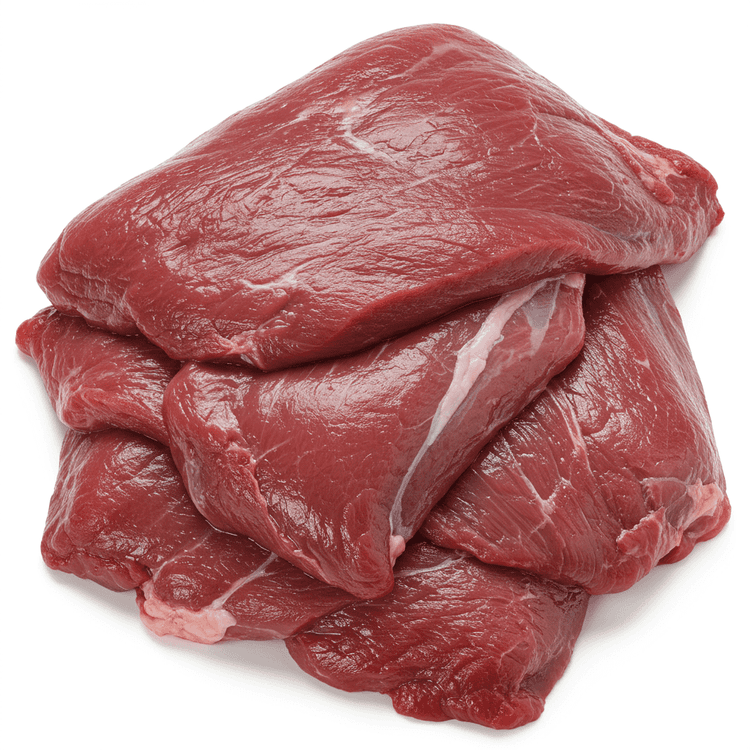
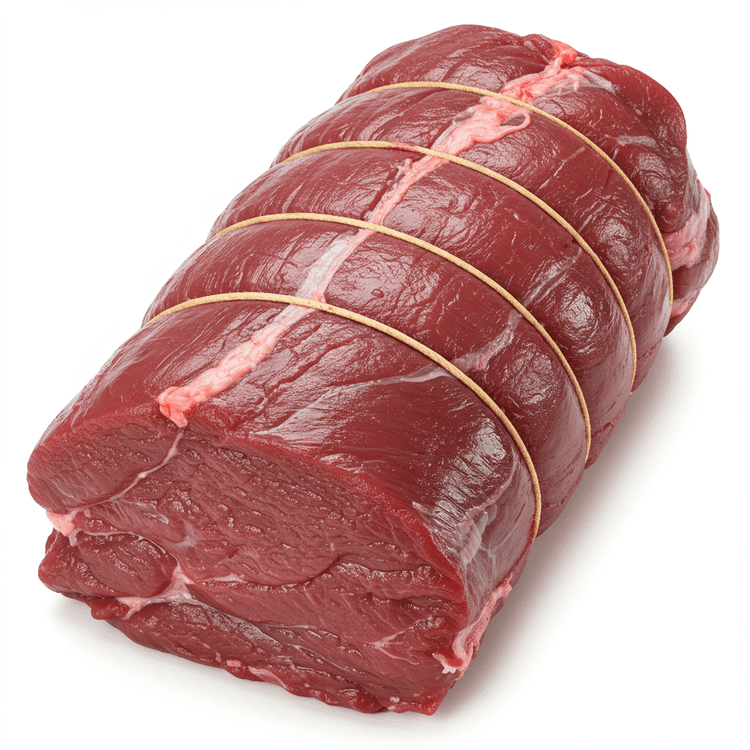
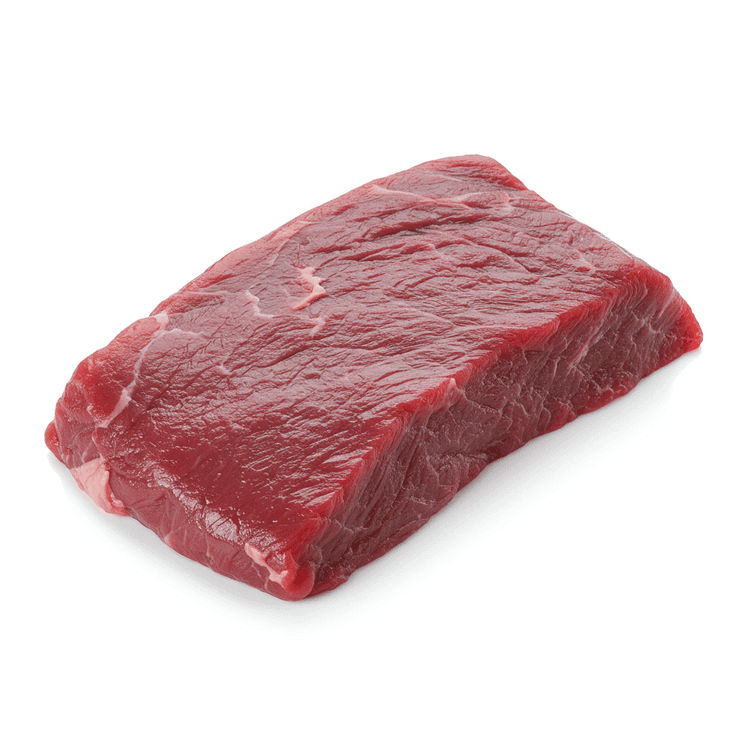
Game meat, encompassing venison, elk, bison, wild boar, and rabbit, offers a distinctive flavor profile and a wealth of nutritional benefits that set it apart from conventionally raised livestock. Often leaner and richer in nutrients, game meat presents a compelling option for health-conscious individuals and adventurous cooks alike.
One of the most significant advantages of game meat is its leanness. Compared to beef or pork, game meat generally contains less total fat and saturated fat. This lower fat content translates to fewer calories and a reduced risk of cardiovascular disease. For example, venison is notably lower in fat than beef, making it a smart choice for those watching their cholesterol levels. Furthermore, game meat tends to be higher in protein, essential for muscle building, repair, and overall bodily function. Protein also contributes to feelings of satiety, aiding in weight management.
Game meat is an excellent source of vital nutrients. It’s packed with iron, essential for oxygen transport throughout the body and preventing anemia. Zinc, crucial for immune function and wound healing, is also abundant. B vitamins, including B12, are present in significant amounts, supporting nerve function and energy production. The iron found in game meat is heme iron, which is more easily absorbed by the body than non-heme iron found in plant-based sources. Many types of game meat are also good sources of omega-3 fatty acids, important for brain health and reducing inflammation.
In the kitchen, game meat opens up a world of culinary possibilities. Venison, with its slightly sweet and earthy flavor, can be used in stews, roasts, or ground for burgers and chili. Elk, known for its rich and robust flavor, is delicious grilled or pan-seared. Bison offers a beef-like taste with a hint of sweetness and can be used in any recipe calling for ground beef. Wild boar, with its distinctive nutty flavor, is often slow-cooked or braised. Rabbit, delicate and flavorful, can be roasted, stewed, or used in pies. Common cooking methods for game meat include grilling, roasting, braising, and stewing. Marinades are often used to tenderize the meat and enhance its flavor. Popular dishes featuring game meat include venison stew, elk burgers, bison chili, wild boar ragu, and rabbit pot pie.
Incorporating game meat into a balanced diet contributes to overall wellness by providing a lean source of protein, essential minerals, and vitamins. Its unique nutritional profile offers advantages over conventionally raised meats, particularly in terms of lower fat content and higher levels of certain micronutrients. By choosing game meat, consumers can enjoy a delicious and nutritious alternative that supports their health goals. Sustainable sourcing is an important consideration when purchasing game meat; look for reputable suppliers who prioritize ethical hunting and wildlife management practices to ensure that this valuable resource is available for future generations. ||
Game Meat are an essential part of a healthy diet, providing a wide range of nutrients and health benefits. Explore our collection of game meat ingredients.