
Food Packaging
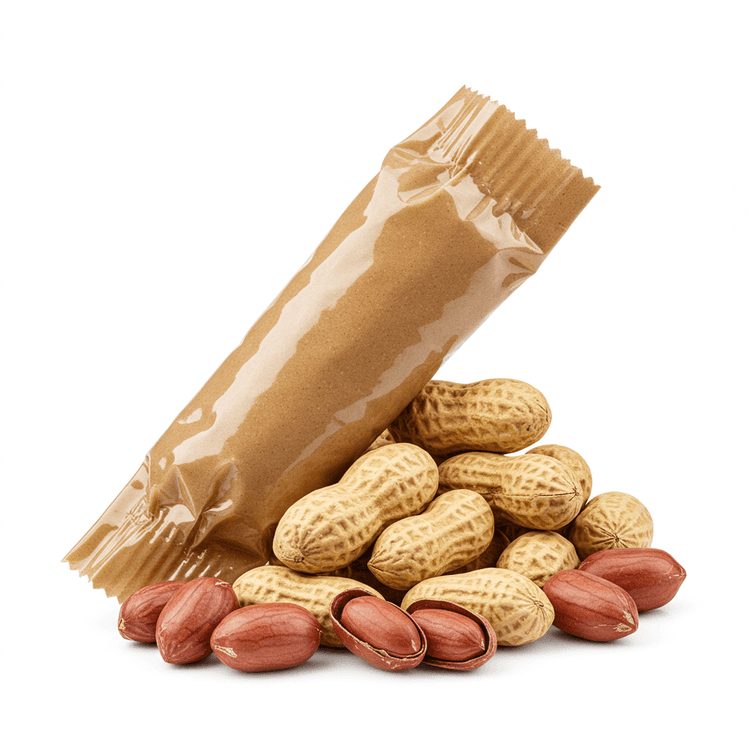
Food packaging often goes unnoticed, but it plays a crucial role in protecting our food, extending its shelf life, and conveying essential information. While not a direct source of nutrients like fruits or vegetables, understanding the impact of food packaging on health and sustainability is paramount for informed consumers. This detailed guide dives deep into the world of food packaging, exploring its benefits, potential drawbacks, and future innovations.
Effective food packaging acts as a barrier against contaminants, preserving freshness and preventing spoilage. This is particularly important for perishable items like dairy, meat, and produce, where bacterial growth can lead to illness. Advanced packaging technologies, such as modified atmosphere packaging (MAP), can further extend shelf life by controlling the gases within the package, reducing oxidation and microbial activity. Beyond preservation, packaging provides a surface for labeling, displaying vital information like nutritional content, ingredients, and allergen warnings. This empowers consumers to make informed choices about the food they consume, aligning with dietary needs and health goals. Consider the convenience of resealable packaging, maintaining the quality of products like shredded cheese or deli meats after opening, minimizing waste and preserving flavor.
However, not all food packaging is created equal. Concerns surrounding plastic pollution have prompted research into more sustainable alternatives. Traditional plastics, derived from petroleum, can persist in the environment for centuries. Bioplastics, made from renewable resources like cornstarch or sugarcane, offer a potential solution, though their biodegradability varies depending on the composting conditions. Another area of focus is reducing the overall amount of packaging used. Minimalist packaging designs, utilizing thinner materials and eliminating unnecessary layers, can significantly decrease waste generation. Consumers can contribute by choosing products with less packaging, opting for reusable containers, and properly recycling packaging materials whenever possible.
The future of food packaging is geared towards innovation and sustainability. Active packaging incorporates antimicrobial agents or oxygen absorbers directly into the packaging material, further enhancing food safety and extending shelf life. Intelligent packaging utilizes sensors and indicators to monitor food quality and temperature, providing real-time information to consumers and retailers. These advancements promise to reduce food waste, improve food safety, and enhance the overall consumer experience. Furthermore, ongoing research is exploring biodegradable and compostable materials that can truly minimize environmental impact.
Understanding the role of food packaging allows consumers to make more informed choices, supporting both personal health and environmental sustainability. By prioritizing products with responsible packaging, actively recycling, and advocating for sustainable practices, we can collectively contribute to a healthier and more sustainable food system. While packaging doesn't offer direct nutritional value, its impact on food safety, accessibility, and waste reduction makes it a crucial element of a balanced and responsible approach to food consumption. Ultimately, conscious choices regarding food packaging contribute to a more sustainable and health-conscious lifestyle. Be mindful of the materials used, support brands committed to sustainable practices, and actively participate in recycling programs to minimize your environmental footprint. || Food Packaging are an essential part of a healthy diet, providing a wide range of nutrients and health benefits. Explore our collection of food packaging ingredients.
Your recipes can talk now 👀
Save recipes from anywhere, and get answers, swaps, and help as you cook.


Get cooking with the Chefadora App.
Available now for early access users.


Marnirni-apinthi Building, Lot Fourteen,
North Terrace, Adelaide, South Australia, 5000
Australia
