Floral ingredients, often overlooked in the modern kitchen, offer a surprising array of health benefits and culinary delights. Beyond their aesthetic appeal, edible flowers are packed with vitamins, minerals, and antioxidants, contributing to overall wellness. Many blossoms contain vitamin C, a potent antioxidant crucial for immune function and collagen production. Flavonoids, present in vibrant blooms like pansies and violets, possess anti-inflammatory and anti-cancer properties. Certain flowers, such as dandelions, are a good source of potassium, essential for maintaining healthy blood pressure. Incorporating floral ingredients into your diet is not just a visually pleasing addition; it's a step towards enhancing your nutritional intake.
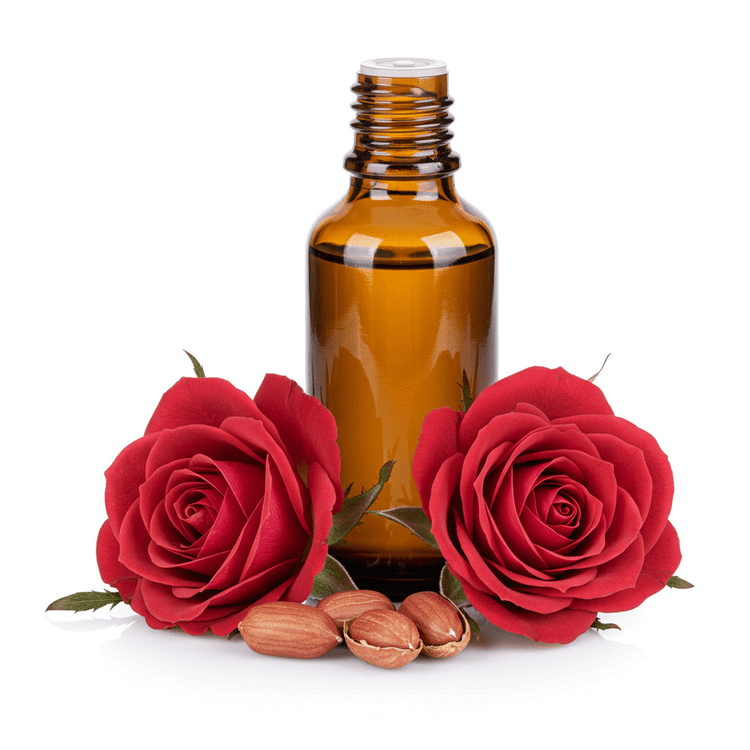
Culinary uses of floral ingredients are diverse and exciting. Think beyond simple garnishes! Rose petals can be infused into delicate syrups and jams, adding a fragrant sweetness to desserts and beverages. Lavender buds lend their unique aroma to baked goods, savory dishes, and herbal teas. Elderflowers, transformed into refreshing cordials or fritters, capture the essence of summer. Nasturtiums offer a peppery kick to salads and sandwiches, while hibiscus petals create vibrant, tart teas and sauces. From candied violets adorning cakes to savory squash blossom quesadillas, the possibilities are endless. Experimenting with different floral ingredients can elevate your cooking, transforming everyday meals into extraordinary culinary experiences.
Different flowers have different flavors. It's important to research which flowers are edible and safe to consume. Always source your flowers from reputable growers who use organic practices, as commercially grown flowers may be treated with pesticides. Properly identify any flowers before consuming them, as some are poisonous. Common edible flowers include roses, lavender, violets, pansies, nasturtiums, elderflower, hibiscus, squash blossoms, chamomile, calendula, and dandelion. Each flower brings its own unique flavor profile, ranging from sweet and floral to peppery and earthy.
The importance of floral ingredients extends beyond their individual nutritional contributions. They promote a more mindful and seasonal approach to eating, encouraging us to connect with nature and appreciate the beauty of the natural world. Including flowers in your diet is a powerful way to diversify your nutrient intake and enjoy a wider range of flavors and textures. They're a fantastic source of antioxidants, which help protect your body against damage from free radicals, and they can also provide essential vitamins and minerals. Floral ingredients are a simple yet effective way to add a touch of elegance and health to your meals, contributing to a balanced and vibrant diet. In a world increasingly focused on processed foods, embracing the natural goodness of floral ingredients is a delicious and healthy choice. ||
Floral Ingredient are an essential part of a healthy diet, providing a wide range of nutrients and health benefits. Explore our collection of floral ingredient ingredients.