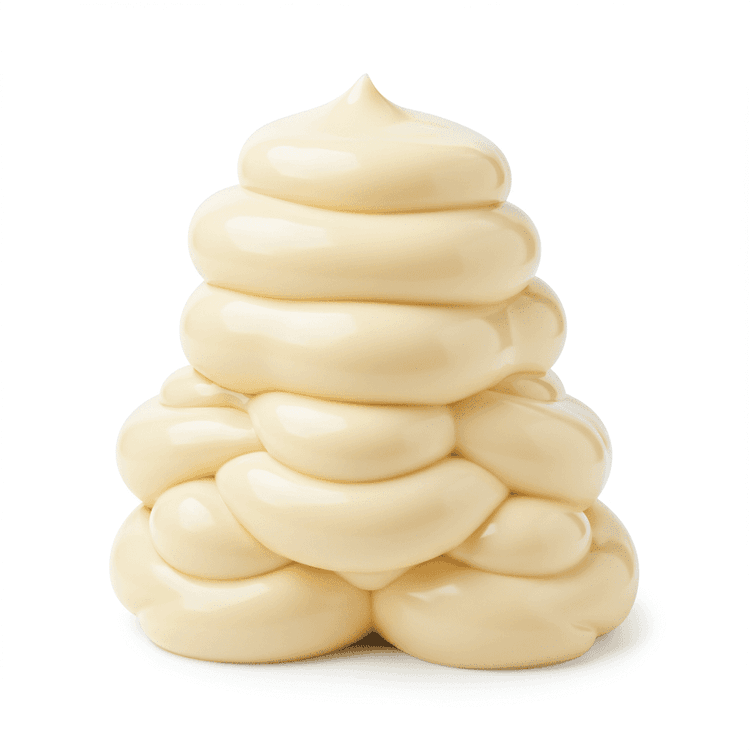
Emulsions are the unsung heroes of the culinary world, the magical combinations that transform simple ingredients into creamy, flavorful, and texturally delightful dishes. At their core, an emulsion is a stable mixture of two or more liquids that are normally immiscible, meaning they don't readily mix, like oil and water. This is achieved by dispersing one liquid (the dispersed phase) evenly throughout the other (the continuous phase), often with the aid of an emulsifier.
From a health perspective, while emulsions themselves aren't inherently "healthy", the ingredients that comprise them certainly can be. Consider vinaigrettes, where olive oil (rich in monounsaturated fats and antioxidants like vitamin E and polyphenols) is emulsified with vinegar (which can aid digestion and offer trace minerals). Mayonnaise, another common emulsion, can be made with healthy oils like avocado oil or olive oil, providing beneficial fats. The key is to choose healthy fats and limit the use of processed ingredients when creating or selecting emulsion-based foods. The benefits largely depend on the quality of ingredients used to create the emulsion.
In the kitchen, emulsions are incredibly versatile. They are essential for sauces like hollandaise (egg yolks emulsifying butter), béarnaise, and aioli. Salad dressings like vinaigrettes and creamy dressings rely on emulsification for their characteristic texture. Even baked goods benefit from emulsions, as the fat in butter or oil is emulsified into the batter, creating a moist and tender crumb. Cooking methods vary widely, from whisking by hand to using a blender or immersion blender for a more stable and consistent result. Popular dishes employing emulsions include eggs benedict (hollandaise), caesar salad (caesar dressing), and various creamy soups and stews. Mastering the art of emulsification unlocks a whole new realm of culinary possibilities.
The importance of emulsions in a balanced diet lies in their ability to enhance the palatability and nutrient absorption of foods. A well-made vinaigrette can make a salad more appealing, encouraging consumption of nutrient-rich vegetables. Furthermore, some nutrients, like fat-soluble vitamins (A, D, E, and K), are better absorbed when consumed with fat, and emulsions can facilitate this process. The quality of the fats used in emulsions is paramount. Choosing healthy fats like olive oil, avocado oil, or nut oils over highly processed vegetable oils contributes to overall wellness. Emulsions also contribute significantly to the sensory experience of eating. The smooth, creamy textures they create can enhance satiety and make meals more enjoyable. Understanding the principles of emulsification allows for greater control over the texture and flavor of dishes, enabling the creation of healthier and more satisfying meals that contribute to a balanced and enjoyable diet. ||
Emulsion are an essential part of a healthy diet, providing a wide range of nutrients and health benefits. Explore our collection of emulsion ingredients.