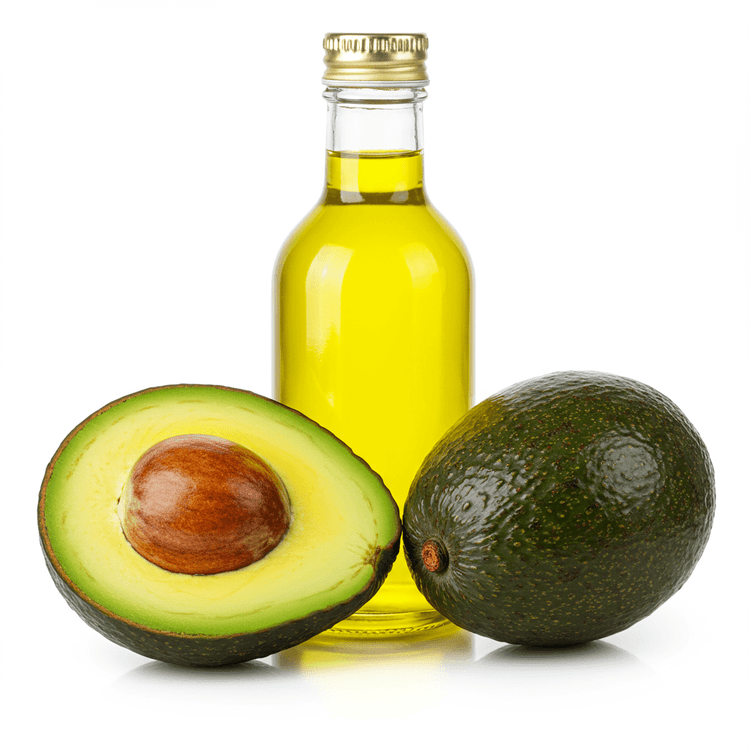
Edible oils are an essential part of a balanced diet, providing not only flavor and texture to our meals but also vital nutrients. From the robust olive oil drizzled over salads to the delicate sesame oil enhancing Asian cuisine, the world of edible oils is vast and varied. Choosing the right oils can significantly impact your health, offering a range of benefits from supporting heart health to boosting immunity.
One of the primary advantages of incorporating edible oils into your diet is their contribution to healthy fats. These fats, particularly monounsaturated and polyunsaturated fats found abundantly in oils like olive, avocado, and flaxseed, are crucial for cardiovascular health. They help lower bad cholesterol (LDL) levels while raising good cholesterol (HDL) levels, reducing the risk of heart disease and stroke. Furthermore, many oils are excellent sources of essential fatty acids like omega-3 and omega-6, which the body cannot produce on its own and are vital for brain function, inflammation regulation, and cell growth. Consider oils rich in omega-3, such as flaxseed or walnut oil, to supplement your intake, especially if you don't consume fatty fish regularly.
Beyond heart health, edible oils are packed with vitamins and antioxidants. Vitamin E, a potent antioxidant, is commonly found in many oils, protecting cells from damage caused by free radicals and supporting immune function. Olive oil, especially extra virgin olive oil, is renowned for its high content of polyphenols, powerful antioxidants with anti-inflammatory properties. These compounds contribute to overall wellness and may play a role in preventing chronic diseases. Different oils boast different nutrient profiles; for instance, coconut oil contains medium-chain triglycerides (MCTs), which some studies suggest can support weight management and improve energy levels, while avocado oil is a good source of lutein, beneficial for eye health.
Culinary applications of edible oils are endless. Olive oil is a staple in Mediterranean cuisine, perfect for sautéing, roasting, and drizzling over salads. Coconut oil adds a subtle sweetness and tropical flavor to baked goods and stir-fries. Sesame oil is a key ingredient in Asian dishes, providing a rich, nutty aroma and flavor. Avocado oil, with its high smoke point, is ideal for high-heat cooking methods like grilling and frying. Popular dishes featuring edible oils include pesto (olive oil), stir-fries (sesame, peanut, or vegetable oil), roasted vegetables (olive or avocado oil), and baked goods (coconut or vegetable oil). When choosing an oil for cooking, consider its smoke point – the temperature at which the oil begins to break down and release harmful compounds. Oils with higher smoke points are generally better suited for high-heat cooking.
In summary, incorporating a variety of edible oils into your diet is essential for a well-rounded and healthy lifestyle. By providing healthy fats, essential nutrients, and antioxidants, they contribute to heart health, brain function, and overall wellness. Remember to choose oils wisely, considering their nutritional profile and intended use in cooking, to reap the maximum benefits. Experiment with different types of oils to discover your favorites and elevate your culinary creations while nourishing your body from the inside out. This can include the use of sunflower oil or grapeseed oil for everyday cooking. ||
Edible Oil are an essential part of a healthy diet, providing a wide range of nutrients and health benefits. Explore our collection of edible oil ingredients.