Creole cuisine is a vibrant and flavorful culinary tradition that originates from Louisiana, blending influences from French, Spanish, African, Caribbean, and Native American cultures. Known for its rich, bold flavors and hearty dishes, Creole cooking is a celebration of cultural diversity and culinary creativity. This cuisine is characterized by the use of fresh, locally sourced ingredients, aromatic spices, and a variety of cooking techniques that bring out the best in every dish. From seafood to vegetables, Creole recipes are packed with nutrients and taste, making them a favorite among food enthusiasts and health-conscious cooks alike.
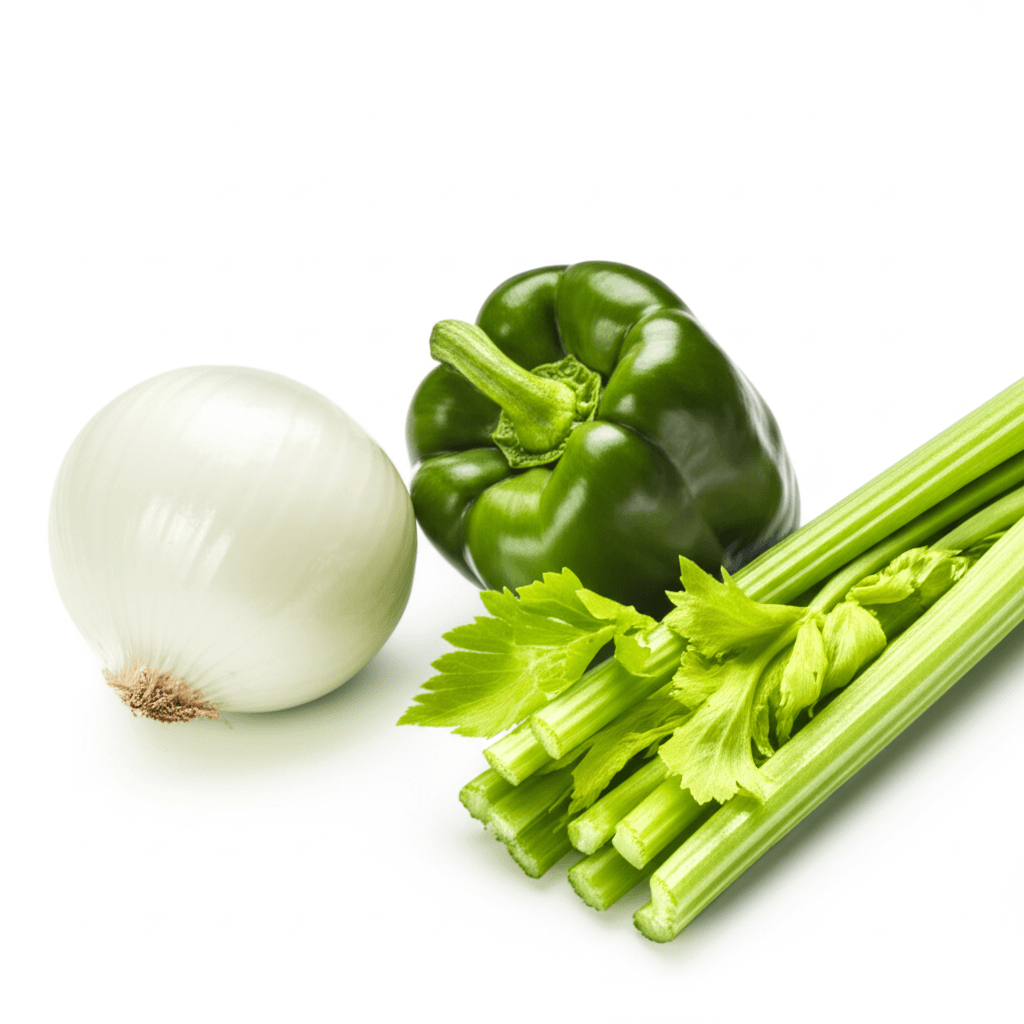
One of the key health benefits of Creole cuisine is its emphasis on nutrient-dense ingredients. Many Creole dishes feature fresh vegetables like bell peppers, onions, celery, and tomatoes, which are rich in vitamins A, C, and K, as well as antioxidants that support immune health and reduce inflammation. Seafood, another staple of Creole cooking, provides high-quality protein and omega-3 fatty acids, which are essential for heart and brain health. Spices like cayenne pepper, paprika, and thyme not only add depth of flavor but also offer anti-inflammatory and metabolism-boosting properties.
Creole cuisine is renowned for its iconic dishes, such as gumbo, jambalaya, étouffée, and red beans and rice. Gumbo, a hearty stew made with a flavorful roux, vegetables, and protein like chicken, sausage, or seafood, is a quintessential Creole dish that showcases the cuisine's complexity. Jambalaya, a one-pot rice dish, combines meats, seafood, and vegetables with bold seasonings for a satisfying and nutritious meal. Étouffée, a rich and savory dish often made with crawfish or shrimp, is served over rice and highlights the use of aromatic spices and herbs. Red beans and rice, a classic comfort food, is not only delicious but also a great source of fiber and plant-based protein.
Creole cooking methods often emphasize slow cooking and layering flavors, which allows the natural taste of ingredients to shine. Techniques like sautéing, simmering, and baking are commonly used to create dishes that are both wholesome and indulgent. Many recipes are adaptable, making it easy to incorporate seasonal produce or adjust spice levels to suit individual preferences. For home cooks looking to explore Creole cuisine, starting with simple recipes like shrimp Creole or chicken and sausage gumbo can be a great way to experience the unique flavors and nutritional benefits of this culinary tradition.
Including Creole cuisine in your diet can be a delicious way to support overall wellness. The combination of fresh vegetables, lean proteins, and heart-healthy fats makes it a balanced choice for meals. Additionally, the use of spices and herbs not only enhances flavor but also provides health-boosting compounds that can improve digestion, reduce inflammation, and promote cardiovascular health. Creole dishes are also highly versatile, allowing you to experiment with ingredients and customize recipes to meet your dietary needs.
Whether you're a seasoned chef or a beginner in the kitchen, Creole cuisine offers a world of possibilities for creating meals that are both nutritious and satisfying. Its rich history, bold flavors, and emphasis on fresh, wholesome ingredients make it an essential part of a balanced diet and a delightful way to explore the intersection of culture and food. Dive into the vibrant world of Creole cooking and discover how this unique culinary tradition can elevate your meals and support your health. ||
Creole Cuisine are an essential part of a healthy diet, providing a wide range of nutrients and health benefits. Explore our collection of creole cuisine ingredients.