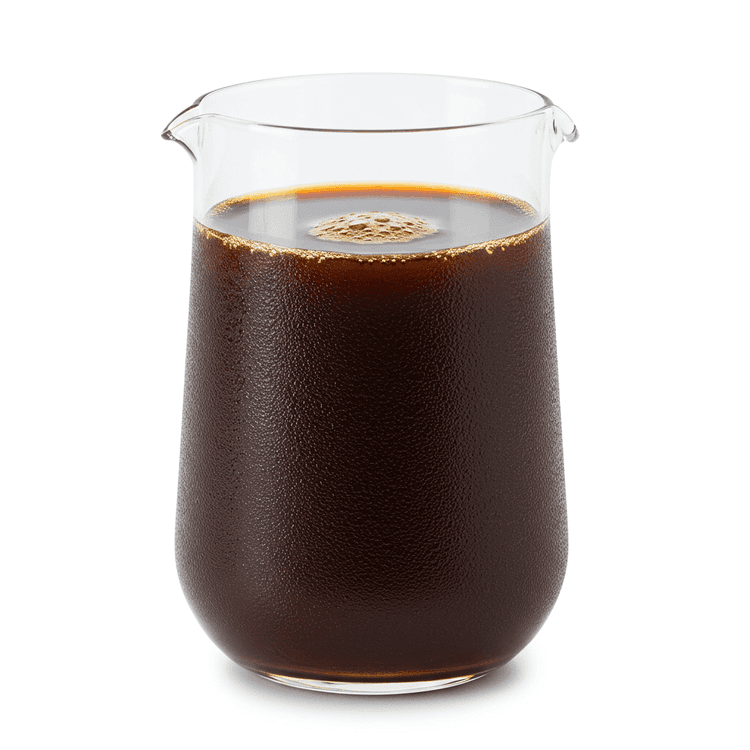
Coffee, a beloved beverage enjoyed worldwide, is more than just a morning pick-me-up. It's a complex brew packed with potential health benefits and culinary versatility. The magic of coffee lies primarily in its caffeine content, a natural stimulant known to enhance alertness, focus, and cognitive function. But coffee's benefits extend far beyond a simple energy boost. It's also a significant source of antioxidants, particularly chlorogenic acids, which are associated with reduced inflammation and protection against chronic diseases.
Studies suggest that regular coffee consumption may lower the risk of type 2 diabetes, Parkinson's disease, Alzheimer's disease, and certain types of liver cancer. These protective effects are attributed to coffee's rich antioxidant profile, which helps combat oxidative stress and cellular damage. Furthermore, coffee can enhance physical performance by increasing adrenaline levels and mobilizing fatty acids, making it a popular pre-workout beverage. The caffeine content stimulates the central nervous system, improving reaction time and endurance.
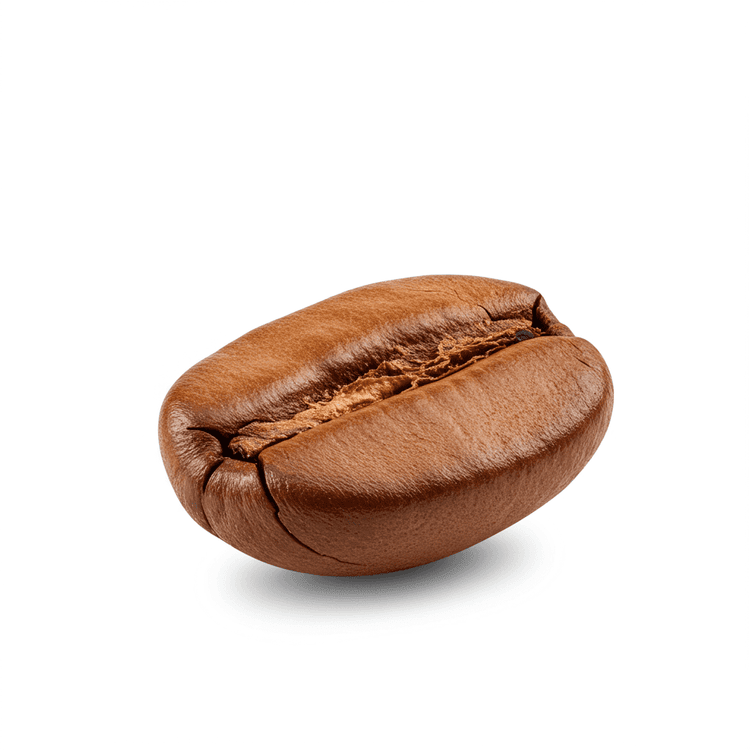
Beyond its health benefits, coffee is a cornerstone of culinary culture. From the simple pleasure of a brewed cup in the morning to the intricate art of espresso-based drinks like lattes and cappuccinos, coffee offers a diverse range of flavors and experiences. It's a key ingredient in desserts like tiramisu, coffee cake, and coffee ice cream, adding a rich, complex flavor note. Coffee beans can also be used as a spice rub for meats, imparting a smoky, earthy flavor. The versatility of coffee extends to cocktails, where it's often used to create flavorful and stimulating beverages.
Coffee plays a role in a balanced diet by providing antioxidants and contributing to overall well-being. While it shouldn't be considered a primary source of essential nutrients, its potential health benefits, particularly in disease prevention, make it a valuable addition to a healthy lifestyle when consumed in moderation. The caffeine content should be considered, as excessive consumption can lead to anxiety, insomnia, and other side effects. Decaffeinated options provide a similar antioxidant boost without the stimulating effects of caffeine. Ultimately, enjoying coffee as part of a balanced diet involves mindful consumption and choosing quality beans prepared in a way that complements your individual health needs and preferences. Whether you enjoy a simple black coffee or a decadent coffee-infused dessert, the rich aroma and complex flavors of coffee can enhance your culinary experience and potentially contribute to your overall well-being. ||
Coffee are an essential part of a healthy diet, providing a wide range of nutrients and health benefits. Explore our collection of coffee ingredients.