Exploring the World of Cheese Alternatives: Taste, Nutrition, and Plant-Based Delights
For those seeking to reduce their dairy intake, embrace a vegan lifestyle, or simply explore new culinary horizons, cheese alternatives have emerged as a delicious and versatile option. No longer limited to bland imitations, the modern market offers a stunning array of plant-based cheeses crafted from ingredients like nuts, seeds, legumes, and even vegetables, each delivering a unique flavor profile and texture.
These innovative products often boast a significant nutritional edge over traditional dairy cheese. Many are lower in saturated fat and cholesterol, making them a heart-healthier choice. Furthermore, cheese alternatives are inherently lactose-free, addressing the needs of individuals with lactose intolerance. Depending on the ingredients used, they can also be excellent sources of vitamins, minerals, and antioxidants. For example, cashew-based cheeses often provide healthy fats and trace minerals like magnesium and zinc. Those made with nutritional yeast are a good source of B vitamins, particularly B12, which is often lacking in vegan diets. Some brands even fortify their products with calcium and vitamin D to further enhance their nutritional value.
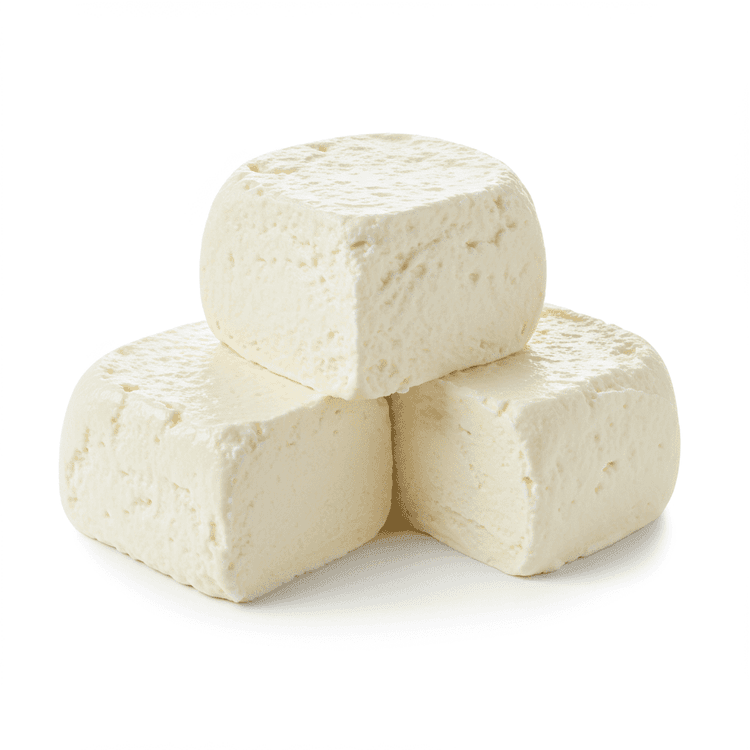
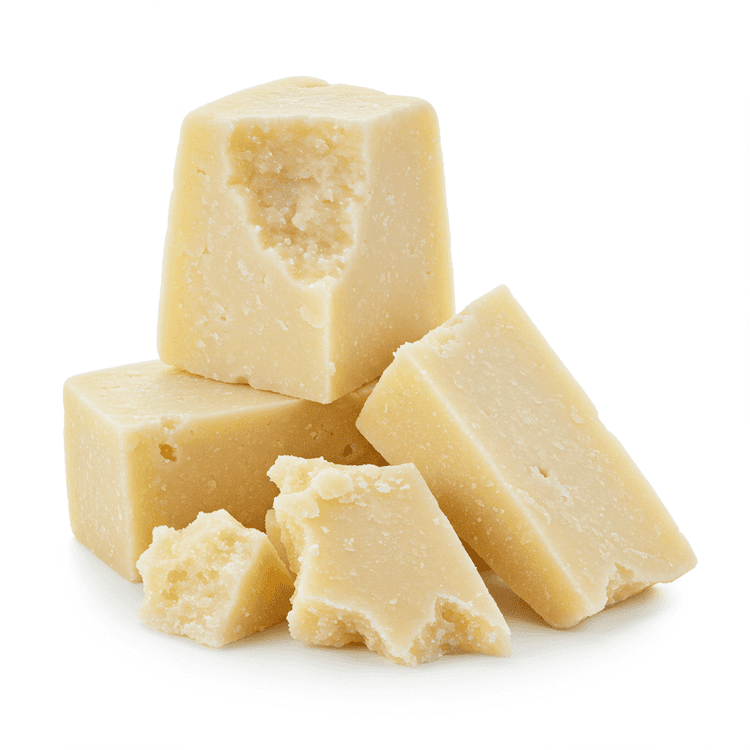
Culinary applications for cheese alternatives are vast and expanding. From creamy cashew-based ricotta in lasagna to stretchy mozzarella-style shreds on pizza, the possibilities are endless. You can find options that melt beautifully, spread smoothly, or crumble delicately, mimicking the characteristics of their dairy counterparts. Popular dishes that benefit from cheese alternatives include vegan mac and cheese, grilled cheese sandwiches, quesadillas, and even cheesecakes. Experiment with different varieties to discover your favorites and unlock a world of plant-based culinary creativity. Soft cheeses like cashew cream cheese or almond-based ricotta are fantastic on bagels or crackers, while harder cheeses like aged cashew parmesan can be grated over pasta or salads.
Incorporating cheese alternatives into a balanced diet can contribute significantly to overall wellness. By choosing plant-based options, you can reduce your intake of saturated fat and cholesterol, promoting cardiovascular health. The fiber content in some cheese alternatives, particularly those made from nuts and seeds, can also aid in digestion and promote satiety, helping with weight management. Moreover, the absence of lactose eliminates the digestive discomfort associated with lactose intolerance. The variety of ingredients used in cheese alternatives ensures a diverse intake of nutrients, contributing to a well-rounded and health-supportive dietary pattern. Whether you're a seasoned vegan, a flexitarian exploring new options, or simply curious about plant-based eating, cheese alternatives offer a delicious and nutritious way to diversify your diet and enjoy your favorite cheesy dishes without compromising your health or ethical values. With careful consideration of ingredient lists and nutritional profiles, you can make informed choices that align with your dietary needs and preferences. ||
Cheese Alternatives are an essential part of a healthy diet, providing a wide range of nutrients and health benefits. Explore our collection of cheese alternatives ingredients.