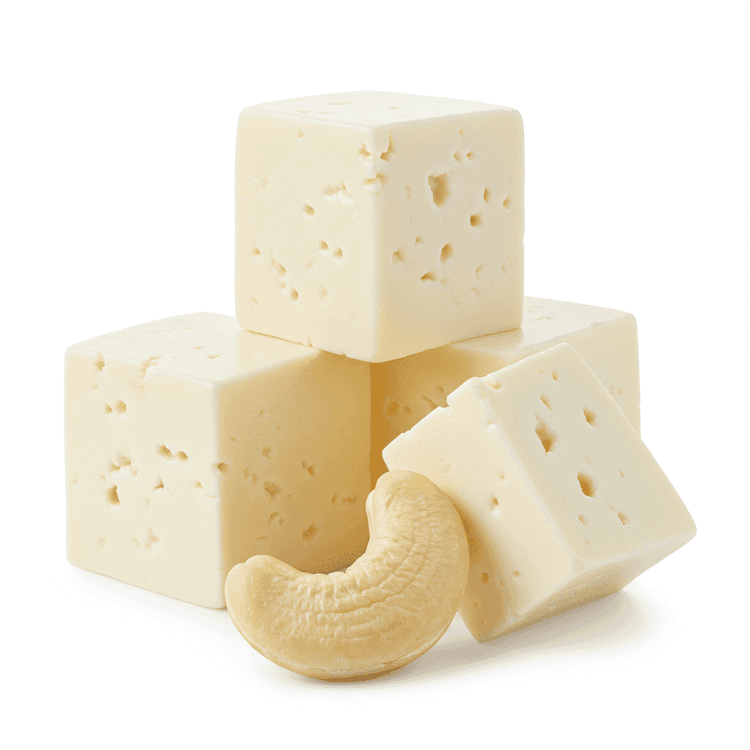
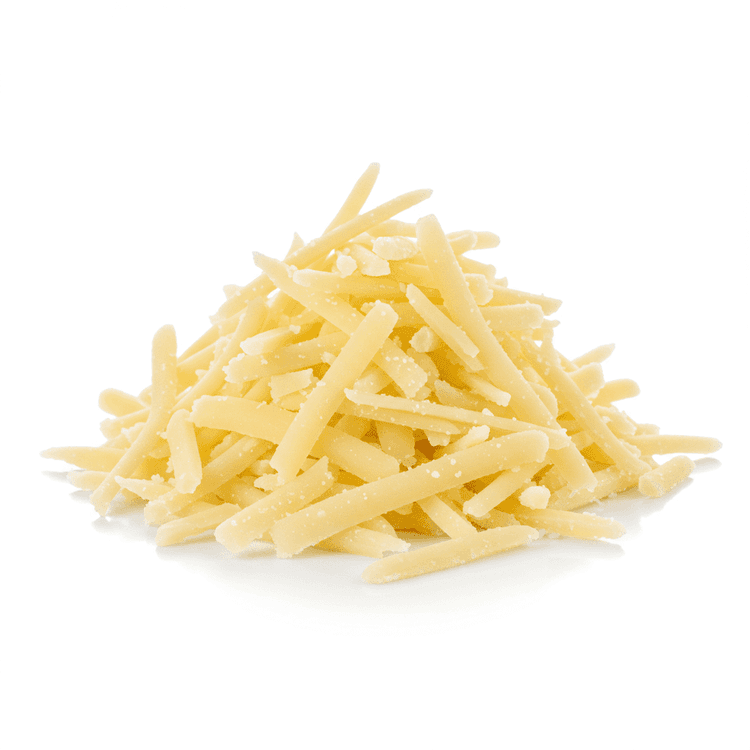
Cheese alternatives have surged in popularity as more individuals seek plant-based, dairy-free, and lactose-free options. These innovative products, often crafted from nuts, seeds, soy, or vegetables, provide a diverse array of flavors and textures mimicking traditional cheese, but with distinct nutritional profiles and health benefits.
One of the significant advantages of many cheese alternatives is their lower saturated fat content compared to dairy cheese. This can be particularly beneficial for individuals managing cholesterol levels or aiming for heart health. Instead of animal fats, cheese alternatives often incorporate plant-based fats from ingredients like cashews, almonds, or coconut oil. These fats, particularly those from nuts and seeds, can contribute essential fatty acids, including omega-3s and omega-6s, important for brain health and inflammation reduction. Many cheese alternatives are excellent sources of vitamins and minerals, although this can vary significantly by brand and base ingredient. Nut-based cheeses can provide vitamin E, a powerful antioxidant that protects cells from damage, as well as magnesium, crucial for nerve and muscle function. Some are fortified with vitamin B12, essential for those following a vegan diet, and calcium, necessary for bone health. Certain soy-based options also offer iron, a vital component for red blood cell production and energy levels.
Culinary applications for cheese alternatives are incredibly diverse. From creamy cashew-based spreads perfect for bagels and crackers to shreddable mozzarella alternatives ideal for pizzas and lasagna, there's a dairy-free option for nearly every cheesy dish. Nutritional yeast, a deactivated yeast with a cheesy flavor, is a popular ingredient in vegan sauces and dips. Tofu-based ricotta alternatives work beautifully in stuffed shells and baked ziti. Soft, spreadable cheese alternatives made from almonds or sunflower seeds elevate sandwiches, salads, and even cheeseboards. The cooking methods are similarly versatile. Some cheese alternatives melt beautifully, while others are best enjoyed cold or at room temperature. Experimenting with different brands and base ingredients will reveal which options work best for your favorite recipes.
Incorporating cheese alternatives into a balanced diet can contribute significantly to overall wellness, particularly for those with dietary restrictions or ethical concerns about dairy production. Their lower saturated fat content supports cardiovascular health, while the inclusion of nuts and seeds offers a boost of healthy fats and essential nutrients. Cheese alternatives made from soy provide a complete protein source, vital for muscle building and repair. The fiber content found in some nut- and seed-based options also aids in digestion and promotes gut health. Choosing cheese alternatives that are fortified with vitamins and minerals further enhances their nutritional value. By exploring the wide variety of available options, individuals can enjoy the familiar flavors and textures of cheese while reaping the health benefits of plant-based ingredients, promoting a more sustainable and compassionate food system. ||
Cheese Alternative are an essential part of a healthy diet, providing a wide range of nutrients and health benefits. Explore our collection of cheese alternative ingredients.