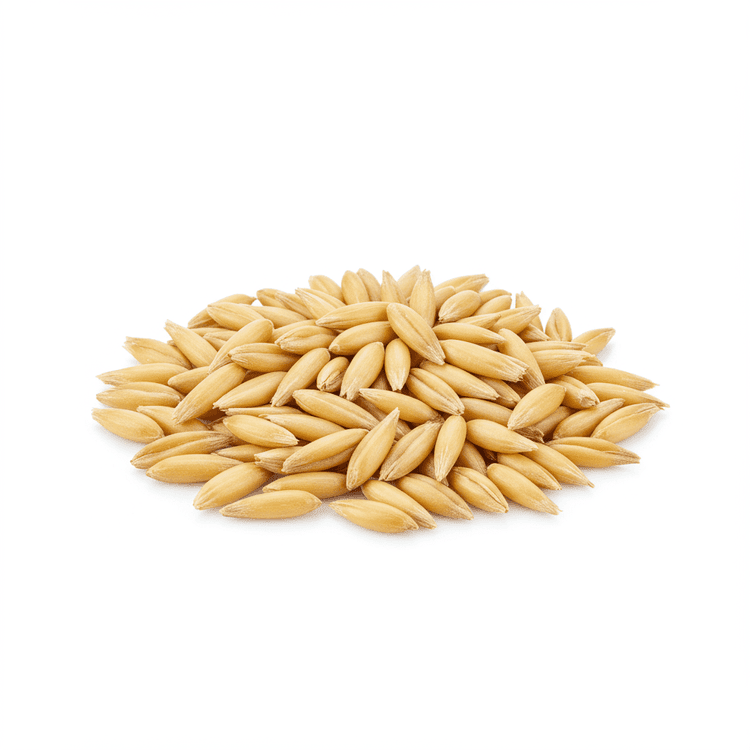
Cereal grains, the edible seeds of cultivated grasses, form the bedrock of human diets worldwide. From the ancient fields of wheat and rice to the modern popularity of oats and corn, these grains provide a versatile and crucial source of energy and essential nutrients. Understanding the health benefits, culinary applications, and nutritional significance of cereal grains is key to crafting a balanced and nourishing diet.
Cereal grains are nutritional powerhouses, packed with carbohydrates for sustained energy release. Beyond energy, they offer a wealth of vitamins and minerals. Whole grains, in particular, are rich in B vitamins like niacin, thiamin, and folate, crucial for nerve function and energy metabolism. Many grains also contain significant amounts of iron, essential for oxygen transport in the blood, and magnesium, which plays a vital role in muscle and nerve function, blood sugar control, and blood pressure regulation. Some grains like oats boast significant amounts of soluble fiber, known to help lower cholesterol levels and promote heart health. Furthermore, the bran layer of whole grains contains antioxidants like phytic acid, lignans, and phenolic compounds, which help protect cells from damage caused by free radicals.
Culinary uses of cereal grains are incredibly diverse. Wheat, in its milled form as flour, is the foundation for countless breads, pastas, and pastries. Rice, a staple in many Asian cuisines, is enjoyed steamed, fried, or ground into flour for noodles and desserts. Corn is used in everything from tortillas and cornbread to popcorn and breakfast cereals. Oats are traditionally cooked into porridge or used in granola bars and baked goods. Other grains like barley, quinoa (technically a pseudo-cereal but often grouped with grains), and sorghum offer unique textures and flavors to soups, salads, and side dishes. Cooking methods range from simple boiling and steaming to more complex processes like fermentation (for sourdough bread) and roasting (for enhanced flavor).
The importance of cereal grains in a balanced diet cannot be overstated. They provide a sustainable source of energy, particularly complex carbohydrates that are digested slowly, preventing rapid spikes in blood sugar. Whole grains, with their added fiber, promote digestive health, aid in weight management, and reduce the risk of chronic diseases like type 2 diabetes and heart disease. The specific nutritional advantages vary depending on the grain – for example, brown rice is a good source of manganese, important for bone health and metabolism, while quinoa is a complete protein, containing all nine essential amino acids. By incorporating a variety of whole and refined grains into your meals, you can ensure a well-rounded intake of essential nutrients and reap the many health benefits they offer. Remember to choose whole grain options whenever possible to maximize fiber and nutrient intake. This helps support your overall health and well-being. ||
Cereal Grain are an essential part of a healthy diet, providing a wide range of nutrients and health benefits. Explore our collection of cereal grain ingredients.