Canned foods often get a bad rap, but they can be a convenient and surprisingly nutritious addition to a balanced diet. While fresh produce is ideal, canned goods offer a practical solution for busy individuals and families, providing accessible sources of essential nutrients, especially when fresh options are limited or out of season. This makes them a pantry staple for many.
One of the primary advantages of canned foods is their extended shelf life. This reduces food waste and ensures you always have key ingredients on hand. Many canned vegetables and fruits retain a significant portion of their original vitamin and mineral content, particularly fat-soluble vitamins like Vitamin A, Vitamin D, Vitamin E, and Vitamin K, as well as certain minerals like iron and calcium. The canning process itself can sometimes even enhance the bioavailability of certain nutrients, such as lycopene in canned tomatoes, a powerful antioxidant linked to reduced risk of certain cancers.
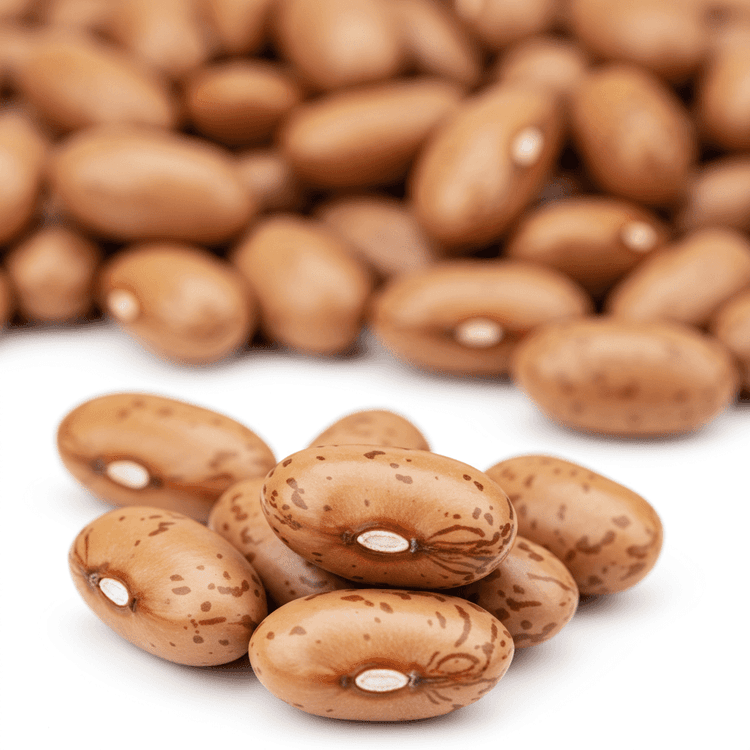
Popular canned foods include beans (kidney, black, chickpeas), vegetables (corn, peas, green beans, tomatoes), fruits (peaches, pineapple, pears), and proteins (tuna, salmon, chicken). These versatile ingredients find their way into countless dishes. Canned beans are a staple in chili, stews, salads, and dips. Canned tomatoes form the base of pasta sauces, soups, and salsas. Canned fruits are perfect for desserts, smoothies, and breakfast toppings. Canned tuna and salmon are excellent sources of omega-3 fatty acids and protein, ideal for sandwiches, salads, and casseroles. Canned chicken offers a quick protein boost to soups, salads, and tacos.
Cooking with canned foods is incredibly easy. Simply drain and rinse most canned vegetables and beans to reduce sodium content. Canned fruits are ready to eat as is or can be added to baked goods or fruit salads. Canned proteins like tuna and salmon require no cooking and can be incorporated directly into your meals. Popular dishes showcasing canned goods include tuna salad sandwiches, three-bean salad, chili, tomato soup, and fruit cobblers.
Incorporating canned foods into your diet contributes to overall wellness by providing essential nutrients that support various bodily functions. The fiber in canned beans aids digestion and promotes gut health. The vitamins and minerals in canned vegetables support immune function and energy production. The protein in canned fish and chicken is crucial for building and repairing tissues. Choose canned options that are low in sodium and sugar to maximize the health benefits. Opt for products canned in water or their own juices whenever possible to avoid added sugars and preservatives. By being mindful of your choices, you can effectively integrate canned foods into a healthy and well-rounded diet, making meal preparation more convenient and affordable without sacrificing nutritional value. Remember to always check the expiration date and inspect the can for any signs of damage before consuming the contents. ||
Canned Food are an essential part of a healthy diet, providing a wide range of nutrients and health benefits. Explore our collection of canned food ingredients.