Biscuits, those comforting, often flaky baked goods, hold a special place in many culinary traditions. While not typically celebrated as a health food, understanding their composition and smart preparation techniques can help you enjoy them as part of a balanced diet. Biscuits are primarily made from flour, fat (like butter, shortening, or lard), leavening agents (such as baking powder or baking soda), and liquid (usually milk or buttermilk). The type of flour and fat used significantly influences the biscuit's texture and flavor. From Southern-style buttermilk biscuits to savory cheese biscuits, the variations are endless.
Though biscuits might not be nutritional powerhouses packed with vitamins and minerals, they can contribute to your daily intake of certain nutrients depending on the ingredients used. For example, biscuits made with whole wheat flour offer more fiber than those made with white flour. Using milk or buttermilk adds calcium and protein. However, it's crucial to be mindful of the fat and sodium content, as commercially prepared biscuits and those made with excessive amounts of butter or salt can be high in these components. Therefore, homemade biscuits offer more control over ingredients and allow for healthier substitutions.
Biscuits are incredibly versatile in the kitchen. They are a staple in Southern cuisine, often served warm with butter, jam, or gravy. They can be paired with fried chicken, pulled pork, or used as a base for breakfast sandwiches. Savory biscuits can be made with herbs, cheese, or vegetables, adding flavor and nutritional value. Popular biscuit-based dishes include biscuits and gravy, chicken pot pie with a biscuit topping, and strawberry shortcake using biscuits instead of sponge cake. The key is to balance your biscuit consumption with nutrient-rich foods and consider healthier preparation methods.
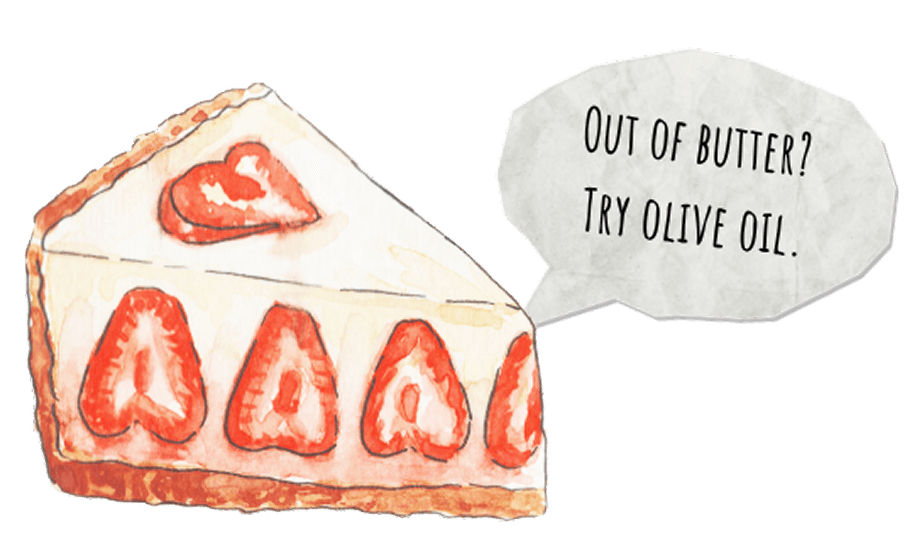
To make biscuits a more mindful part of your diet, consider using whole wheat flour or a blend of whole wheat and all-purpose flour to increase fiber intake. Experiment with adding vegetables like grated zucchini or carrots for added nutrients. Opt for healthier fats like olive oil or avocado oil in smaller quantities than traditional recipes call for. Also, reduce the amount of salt used and substitute with herbs and spices for flavor. Choose low-fat or non-fat milk or buttermilk to reduce saturated fat. Furthermore, portion control is essential. Enjoy biscuits in moderation alongside a balanced meal that includes plenty of fruits, vegetables, and lean protein. Biscuits offer a blank canvas for culinary creativity; with mindful ingredient choices and preparation, they can be a delightful treat that complements a healthy lifestyle. ||
Biscuits are an essential part of a healthy diet, providing a wide range of nutrients and health benefits. Explore our collection of biscuits ingredients.