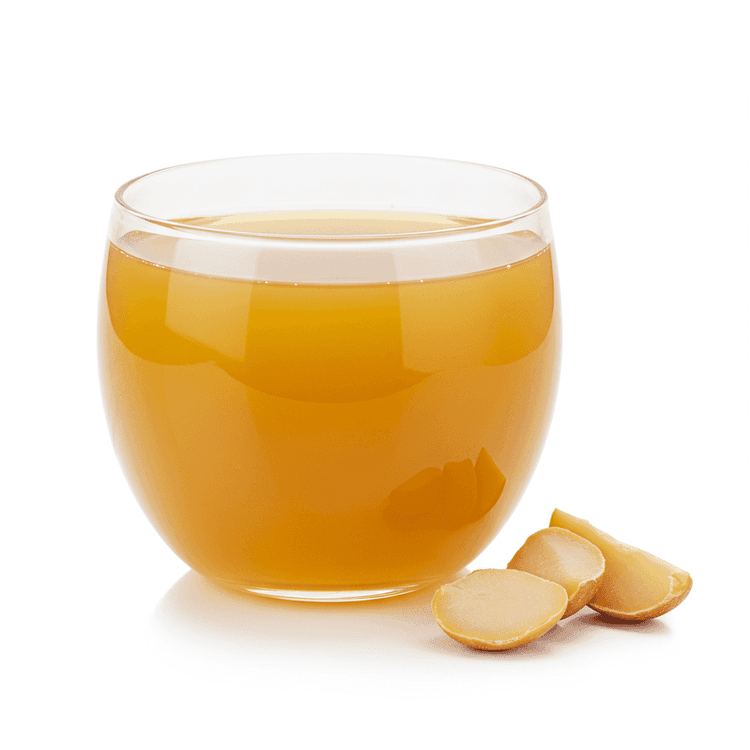
Base ingredients form the foundation of countless dishes, providing essential nutrients and acting as the building blocks for flavor. This category encompasses staples like flours, grains, oils, vinegars, and sweeteners – all crucial for a balanced and satisfying culinary experience.
Flours and Grains: These provide carbohydrates, the body's primary source of energy. Whole grains, such as whole wheat flour, brown rice, and quinoa, are particularly beneficial due to their high fiber content. Fiber aids digestion, promotes satiety (keeping you feeling full longer), and helps regulate blood sugar levels. They are also often good sources of B vitamins, iron, and magnesium, vital for energy metabolism and overall well-being. White flour, while providing energy, lacks the fiber and nutrients of its whole-grain counterparts. Common dishes featuring flours and grains include breads, pasta, cereals, rice dishes, and baked goods.
Oils: Oils are essential sources of healthy fats, crucial for hormone production, cell function, and the absorption of fat-soluble vitamins (A, D, E, and K). Different oils offer varying nutritional profiles. Olive oil, especially extra virgin, is rich in monounsaturated fats and antioxidants, linked to heart health. Coconut oil contains medium-chain triglycerides (MCTs), which are easily digested and may offer some metabolic benefits, though it is high in saturated fat and should be used in moderation. Avocado oil is another excellent source of monounsaturated fats and vitamin E. Vegetable oils like canola and soybean oil are typically sources of omega-6 fatty acids. Popular culinary uses include sautéing, frying, baking, salad dressings, and marinades.
Vinegars: Vinegars contribute acidity and flavor complexity to dishes, and some offer additional health benefits. Apple cider vinegar (ACV), for instance, is believed to aid digestion and regulate blood sugar, though more research is needed. Balsamic vinegar, aged in wooden barrels, adds a rich, sweet-and-sour flavor to salads and glazes. White vinegar is a versatile cleaning agent and can also be used in pickling and marinades. Vinegars are often used in salad dressings, sauces, marinades, and pickling.
Sweeteners: Sweeteners provide sweetness and enhance the palatability of foods. While refined sugars should be consumed in moderation, natural sweeteners like honey, maple syrup, and dates offer some nutritional advantages. Honey contains antioxidants and may have antibacterial properties. Maple syrup provides trace minerals like manganese and zinc. Dates are a good source of fiber and potassium. Remember that all sweeteners should be used judiciously to maintain a healthy weight and prevent dental problems. Common uses include baking, beverages, sauces, and desserts.
Base ingredients are essential for creating balanced and nutritious meals. Choosing whole grains over refined grains, opting for healthy oils, and using natural sweeteners in moderation can significantly impact overall health and well-being. By understanding the nutritional benefits and culinary applications of these foundational ingredients, home cooks and food enthusiasts can make informed choices and create delicious and nourishing meals. ||
Base Ingredients are an essential part of a healthy diet, providing a wide range of nutrients and health benefits. Explore our collection of base ingredients ingredients.