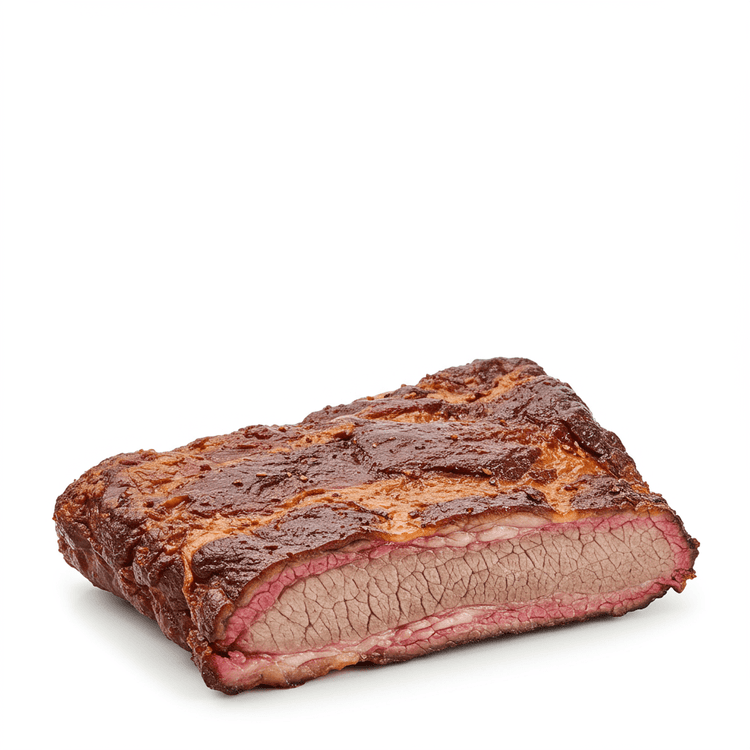
Barbecue isn't just a cooking method; it's a culinary tradition celebrated globally, with roots in indigenous cultures. While "barbecue" often conjures images of smoky flavors and outdoor gatherings, it's essential to understand its potential benefits and how to make healthier choices. While traditionally associated with high-fat meats, barbecuing can be a fantastic way to prepare lean proteins and vegetables, retaining nutrients while minimizing added fats.
Lean meats like chicken breast, turkey, fish (salmon, tuna, or tilapia), and even leaner cuts of beef (like sirloin or flank steak) are excellent candidates for the grill. These options provide high-quality protein, essential for muscle building, repair, and overall bodily function. Furthermore, many seafood options are rich in Omega-3 fatty acids, promoting heart health and reducing inflammation. Don't forget the power of vegetables! Grilling vegetables like bell peppers, zucchini, eggplant, asparagus, and onions enhances their natural sweetness and provides essential vitamins, minerals, and fiber. Fiber aids digestion, regulates blood sugar levels, and contributes to a feeling of fullness, helping with weight management.
The true health impact of barbecue lies in the preparation and execution. Marinades are key! Instead of relying solely on sugary or high-sodium sauces, opt for homemade marinades using olive oil, lemon juice, herbs (rosemary, thyme, oregano), garlic, and spices like paprika, chili powder, or cumin. These ingredients are rich in antioxidants, which combat free radicals and protect against cellular damage. Avoid excessive use of processed barbecue sauces, which are often loaded with sugar, salt, and artificial ingredients. When using sauces, apply them sparingly towards the end of cooking to prevent burning and caramelization.
Common barbecue dishes include grilled chicken or fish tacos, vegetable skewers with halloumi cheese, barbecued tofu, and grilled corn on the cob. These dishes offer a balanced combination of protein, healthy fats, and complex carbohydrates. Remember that portion control is crucial. Enjoying a smaller portion of grilled meat or fish alongside a generous serving of grilled vegetables is a healthy and satisfying way to indulge in barbecue. Avoid loading up on high-calorie sides like potato salad or creamy coleslaw. Instead, opt for lighter options like a green salad with a vinaigrette dressing or grilled fruit.
In conclusion, barbecue doesn't have to be unhealthy. By choosing lean proteins, incorporating plenty of vegetables, using healthy marinades, and practicing portion control, you can enjoy the delicious flavors of barbecue while prioritizing your health and well-being. It's a versatile cooking method that, when done right, can contribute to a balanced diet and provide essential nutrients for optimal wellness. Remember to prioritize food safety by ensuring that meat is cooked to a safe internal temperature. ||
Barbecue are an essential part of a healthy diet, providing a wide range of nutrients and health benefits. Explore our collection of barbecue ingredients.