
Acidulant
The Zesty World of Acidulants: Enhancing Flavor and Functionality
Acidulants, the unsung heroes of the culinary world, are substances that impart a tart, sour, or acidic flavor to foods and beverages. More than just flavor enhancers, they play a critical role in food preservation, texture modification, and overall palatability. From the bright tang of lemon juice in a summer lemonade to the subtle tartness that balances the sweetness in a perfectly baked pie, acidulants are essential ingredients in countless recipes.
Beyond Flavor: The Functional Benefits
The primary role of acidulants is to lower the pH of a food product. This seemingly simple action has a cascade of benefits. Lowering the pH inhibits the growth of spoilage microorganisms, extending shelf life and reducing the risk of foodborne illnesses. Acidulants also act as antioxidants, preventing browning and discoloration in fruits and vegetables. Furthermore, they can influence the texture of foods, contributing to a tender crumb in baked goods or a firmer gel in jams and jellies. Some acidulants, like ascorbic acid (vitamin C), offer additional nutritional benefits, acting as potent antioxidants and supporting immune function.
Common Acidulants and Their Culinary Applications
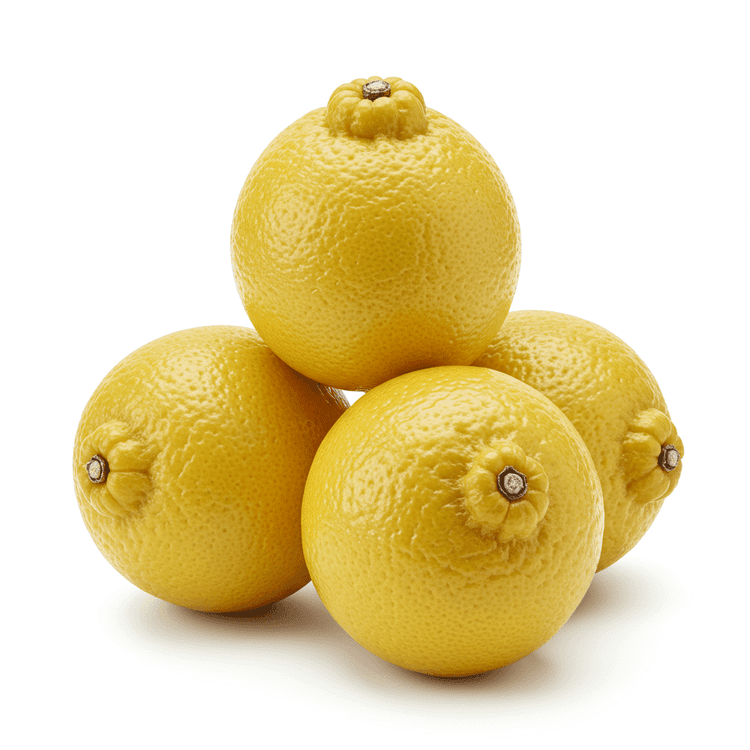
- Citric Acid: Perhaps the most widely used acidulant, citric acid is naturally found in citrus fruits like lemons, limes, and oranges. It imparts a clean, sharp acidity and is commonly used in beverages, candies, and jams.
- Acetic Acid (Vinegar): A versatile acidulant produced through the fermentation of alcohol, vinegar is available in various forms, each with its unique flavor profile. From the subtle sweetness of rice vinegar to the robust tang of balsamic vinegar, it's used in dressings, marinades, pickles, and sauces.
- Malic Acid: Naturally occurring in apples and pears, malic acid provides a smoother, more mellow acidity than citric acid. It's often used in candies, fruit juices, and baked goods.
- Tartaric Acid: Found in grapes, tartaric acid contributes a crisp, tart flavor and is essential in winemaking. It's also used as a leavening agent in baking, often in combination with baking soda (cream of tartar).
- Lactic Acid: Produced during the fermentation of milk and vegetables, lactic acid imparts a mild, slightly tangy flavor. It's used in yogurt, sauerkraut, and sourdough bread.
- Phosphoric Acid: Commonly used in carbonated beverages, phosphoric acid contributes a sharp, slightly metallic tang.
- Ascorbic Acid (Vitamin C): As mentioned, ascorbic acid is a potent antioxidant and adds a mild tartness. It's used in fruit juices, processed foods, and as a preservative to prevent browning.
Acidulants in a Balanced Diet
While acidulants are primarily used for their flavor and functional properties, they indirectly contribute to a balanced diet by enhancing the palatability and preservability of nutrient-rich foods. By inhibiting spoilage, acidulants allow us to enjoy fresh fruits and vegetables for longer periods. The improved flavor profiles they create can also encourage consumption of healthier options. For example, a tangy vinaigrette dressing can make a salad more appealing, increasing the intake of vitamins, minerals, and fiber. Vinegar, another common acidulant, is known to improve insulin sensitivity and lower blood sugar levels. The ability of acidulants to enhance flavor without adding significant calories or unhealthy fats makes them valuable tools for creating delicious and nutritious meals.
In conclusion, acidulants are more than just flavor enhancers; they are essential components of a balanced and enjoyable diet, contributing to food preservation, texture modification, and even providing health benefits. By understanding their diverse applications and functionalities, home cooks and food enthusiasts can unlock a new level of culinary creativity and appreciate the subtle art of flavor balancing. || Acidulant are an essential part of a healthy diet, providing a wide range of nutrients and health benefits. Explore our collection of acidulant ingredients.

Your recipes can talk now 👀
Save recipes from anywhere, and get answers, swaps, and help as you cook.


Get cooking with the Chefadora App.
Available now for early access users.


Marnirni-apinthi Building, Lot Fourteen,
North Terrace, Adelaide, South Australia, 5000
Australia
