We use cookies on this website to ensure its proper functioning and to improve the quality of our services. Cookie Policy
If you have been on TikTok or Instagram lately, you have probably seen people talking about fibermaxxing. From chia pudding bowls to lentil-stuffed wraps, everyone seems to be loading up on fiber-rich foods. But is fibermaxxing just another social media fad, or is there real science behind this trend?
Turns out, dietitians actually love this one. Unlike most viral wellness trends, fibermaxxing is rooted in something most of us genuinely need: more fiber. And the numbers are pretty eye-opening. Over 90 percent of women and 97 percent of men in the U.S. do not meet the recommended daily fiber intake. The recommended amount sits between 25 and 38 grams per day, but most people only manage about 10 to 15 grams.
So yeah, there is a massive fiber gap. And fibermaxxing is here to close it.
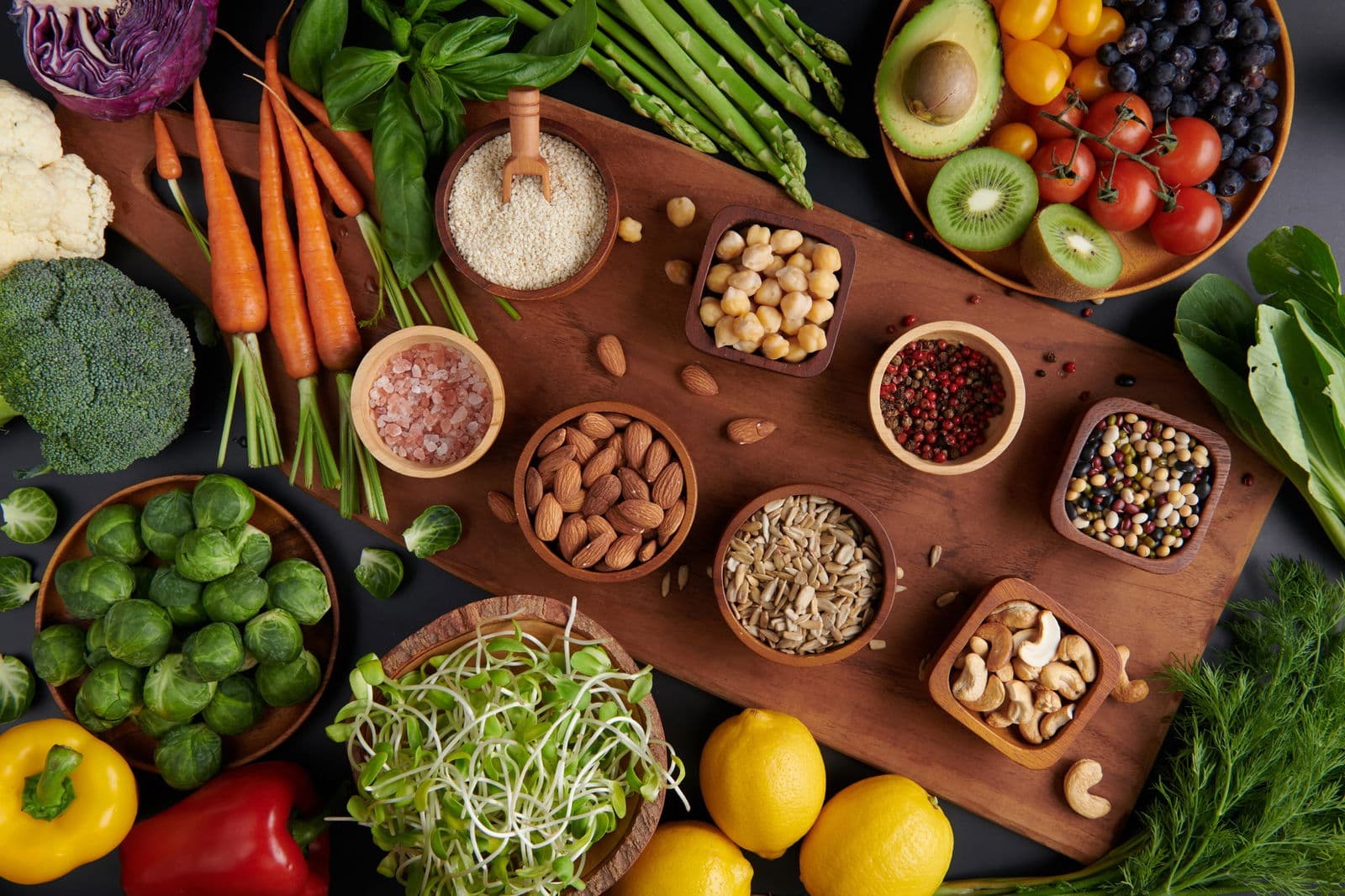
Fibermaxxing is the practice of intentionally increasing your daily fiber intake through whole foods like fruits, vegetables, legumes, whole grains, nuts, and seeds. The concept is exactly what it sounds like: maximizing fiber in your diet by filling your plate with fiber-rich plant foods.
The trend started gaining traction on TikTok, where creators share colorful, fiber-packed meals and track how many grams of fiber they eat in a day. Users post everything from overnight oats and chia puddings to legume-rich bowls, often aiming well above the standard 25 grams per day.
But this is not some overnight internet gimmick. Fiber was named one of the top food trends for 2026. Nearly 45% of Americans are now actively looking for high-fiber options when eating out. The fiber movement is real and it is growing fast.
The short answer: yes, most people should eat more fiber. Here is why fibermaxxing is actually worth the hype.
Fiber is like fuel for the good bacteria living in your gut. When gut bacteria break down fiber, they produce short-chain fatty acids (SCFAs) like butyrate. These molecules nourish intestinal cells and play an important role in controlling inflammation and supporting immune function. A healthy gut means better digestion, less bloating, and more regular bowel movements.
A fiber-rich diet also feeds a wider variety of good gut bacteria. Research shows that people with more diverse gut bacteria are less likely to carry excess belly fat.
This is one of the most searched questions around fibermaxxing, and there is actual science behind it. Studies have found that for every 10-gram increase in soluble fiber eaten per day, visceral belly fat was reduced by 3.7 percent over five years. Combined with moderate exercise, the reduction was even greater.
Soluble fiber helps with weight management in a few ways. It slows down digestion so you feel full longer. It also naturally raises production of GLP-1, the same hunger-reducing hormone that weight-loss medications like Wegovy mimic. So by eating more fiber-rich foods, your body produces more of its own appetite-suppressing signals.
If you are looking for a fiber-packed meal that also helps with weight management, try this Easy Sweet Potato Curry. Sweet potatoes pack about 6.4 grams of fiber per cup, and when you combine them with chickpeas in this recipe, you get a belly-filling, high-fiber dinner.
Eating more fiber can help lower cholesterol and reduce the risk of chronic diseases like diabetes, cardiovascular disease, obesity, and colon cancer. Research shows that fiber may help lower the risk of several common cancers, especially colorectal cancer, by supporting a healthy gut microbiome and reducing inflammation.
There are two main types of dietary fiber, and your body needs both. Soluble fiber dissolves in water and forms a gel-like substance in the stomach. It helps lower LDL (bad) cholesterol and keeps blood sugar steady. Insoluble fiber does not dissolve in water. It adds bulk to stool and keeps food moving through your digestive system. Most high-fiber foods contain a mix of both types.
Ready to start fibermaxxing? These are the foods with the most fiber per serving, and they are the backbone of any fibermaxxing diet.
1) Legumes: The #1 Fibermaxxing Food Group
Legumes are the undisputed champions of fiber. Here is what they bring to the table:
If you want to make legumes the star of your plate, this Crispy Chickpea Salad is a great way to do it. Or try this Caesar Chickpea Pasta Salad with Grilled Chicken and Kale for a filling, protein-and-fiber-rich lunch.
2) Whole Grains for Fibermaxxing: Oats, Quinoa, and Beyond
Whole grains are another fibermaxxing essential:
For a traditional Indian grain-based option loaded with fiber, try Sago Sabudana Khichdi. It is warm, comforting, and pairs beautifully with a side of high-fiber vegetables.
Not all fruits are created equal when it comes to fiber. These are the top picks:
A quick, fiber-rich way to start your morning is with this Basic Berry Chia Seed Smoothie. Berries and chia seeds are two of the highest-fiber ingredients you can blend together, and this smoothie takes just a few minutes to make.
Try this 10-Minute Sweet Potato and Sausage Hash for a quick weeknight dinner that checks the high-fiber box.
Hitting your daily fiber goal is easier than you think when you plan ahead. Here is a sample day that gets you to 30+ grams without any supplements:
Breakfast: Berry chia seed smoothie (berries + chia seeds + banana) = about 10g fiber. Try this Basic Berry Chia Seed Smoothie.
Lunch: Mediterranean Quinoa Salad with chickpeas and vegetables = about 10g fiber.
Dinner: Easy Sweet Potato Curry with brown rice = about 10g fiber.
Snack: High Protein and High Fibre Salad or an apple with almond butter = about 5g fiber.
That adds up to about 35 grams of fiber for the day. No supplements, no powders. Just real food.
Fibermaxxing is safe for most people, but there are a few things to keep in mind.
If you go as high as 50 grams of fiber per day, you might experience bloating, gas, or stomach cramps. The key is to increase your fiber intake gradually. Try adding about 3 to 5 grams more fiber every couple of days, and increase your water intake as well, since fiber absorbs water to keep stool soft.
People with conditions like IBS, Crohn's disease, or ulcerative colitis should talk to their doctor or a registered dietitian before jumping into fibermaxxing. Older adults and those on corticosteroids should also check with their healthcare provider first.
Also, fiber can bind to minerals like iron, calcium, and zinc, which could interfere with absorption if your intake is very high. So moderation is still important. Aim to meet the recommended 25 to 38 grams per day through whole foods rather than trying to hit extreme numbers.
Q1. What is the fibermaxxing diet?
A1. The fibermaxxing diet is a way of eating that focuses on maximizing daily fiber intake through whole, plant-based foods. The goal is to meet or exceed the recommended 25–38 grams of fiber per day using foods like beans, lentils, fruits, vegetables, whole grains, nuts, and seeds.
Q2. What is the #1 food highest in fiber?
A2. Split peas and lentils top the list. One cooked cup of split peas contains about 16 grams of fiber, while one cup of cooked lentils provides around 15 grams, making them some of the most fiber-dense everyday foods.
Q3. What fruit has the most fiber?
A3. Raspberries are the highest-fiber fruit, with about 8 grams per cup. Pears, avocados, and apples are also excellent high-fiber fruit options.
Q4. What snack has the most fiber?
A4. A handful of almonds paired with an apple delivers about 7 grams of fiber. Hummus with raw vegetables offers a similar amount, and chia pudding is another high-fiber snack favorite.
Q5. What drink is high in fiber?
A5. Smoothies made with berries, chia seeds, and leafy greens are among the best high-fiber drinks, providing about 8–10 grams of fiber per serving. Traditional drinks like sattu sharbat are also naturally high in fiber.
Q6. Can I take fiber pills to lose weight?
A6. Fiber supplements can help if you are not meeting your fiber needs through food, but they are not a magic weight-loss solution. Whole foods are better because they provide fiber along with vitamins, minerals, and other nutrients supplements may lack.
Q7. How can I get 25 grams of fiber a day?
A7. Start with oatmeal topped with berries for breakfast (about 6g). Eat a salad with chickpeas for lunch (about 8g). Snack on an apple with almonds (about 7g). Finish with a sweet potato curry for dinner (about 6g). This adds up to roughly 27 grams.
Q8. What happens if you eat too much fiber?
A8. Increasing fiber too quickly can cause bloating, gas, cramping, and constipation. Extremely high intakes (over 50 grams per day) may also reduce absorption of minerals like iron and zinc. Increase fiber gradually and drink plenty of water.
Q9. How can I hit 30 grams of fiber a day?
A9. Include at least one high-fiber food in every meal. Beans, lentils, berries, chia seeds, and sweet potatoes are easy ways to build up your daily fiber intake consistently.
Q10. What foods have extreme fiber content?
A10. Navy beans (about 19g per cup), lentils (15g per cup), split peas (16g per cup), chia seeds (10g per ounce), and artichokes (about 10g each) are some of the most fiber-dense foods available.
Fibermaxxing is one of the rare social media wellness trends that actually has solid science behind it. Most of us are eating way less fiber than we need, and the health benefits of closing that gap are backed by decades of research. From better gut health and lower cholesterol to reduced belly fat and a lower risk of chronic diseases, fiber does a lot of heavy lifting in your body. The best part? You do not need any special products or supplements. Just eat more plants. Load up on lentils, chickpeas, berries, sweet potatoes, and whole grains. Start slow, drink plenty of water, and let your gut adjust over a couple of weeks.
Updated on 02 Mar 2026
Save recipes from anywhere, and get answers, swaps, and help as you cook.

