We use cookies on this website to ensure its proper functioning and to improve the quality of our services. Cookie Policy

No salad bowl is complete without beetroot, at least not a pretty-looking one. First domesticated in the ancient Middle East, Beetroot can be eaten raw, roasted, boiled, or steamed. Surprisingly, this root vegetable belongs to the same family as spinach. It is said that the beetroot carries some amount of almost all of the vitamins and minerals our body needs. This vibrant ruby-red vegetable has been heading the visual department at the salad HQ for years, but did you know it has several health benefits? So, let's explore the six health benefits this root vegetable carries:
Various studies have found that beetroot can lower elevated blood pressure levels. If not controlled on time, high blood pressure can lead to heart disease. The nitrates present in beetroot dilate the blood vessels after turning into nitric oxide, causing the blood pressure levels to drop.
Red beetroots are among the most potent antioxidant vegetables. Antioxidants help fight the damaging effects of oxidation. Antioxidants fight the free radicals that can damage cells and DNA.

Beetroot has been used as a natural dye for centuries, and it was used to colour textiles and make cosmetics.
Chronic inflammation can lead to various health issues, including arthritis, obesity, heart disease, liver disease, and cancer. Beetroot contains several anti-inflammatory compounds, primarily betalains, that may help reduce inflammation in the body. People suffering from osteoarthritis experience lower pain and discomfort after taking betalain capsules made with beetroot extract.
Though the deep red variety is most common, beetroots also come in a rainbow of colours, including golden yellow, white, and even candy-striped varieties like Chioggia beets.
Beetroot is a great source of fibre, promotes regular bowel movements, and supports good gut bacteria. This helps maintain our digestive health and prevents digestive issues like constipation, inflammatory bowel disease, and diverticulitis.
The nitrates in beetroot promote the blood flow to the brain, boosting cognitive function. This is especially helpful for old people as it slows the decline of cognitive function. Rapid decline can lead to neurodegenerative diseases like Alzheimer’s and dementia. Regular consumption of beetroot could help keep our brains sharp.
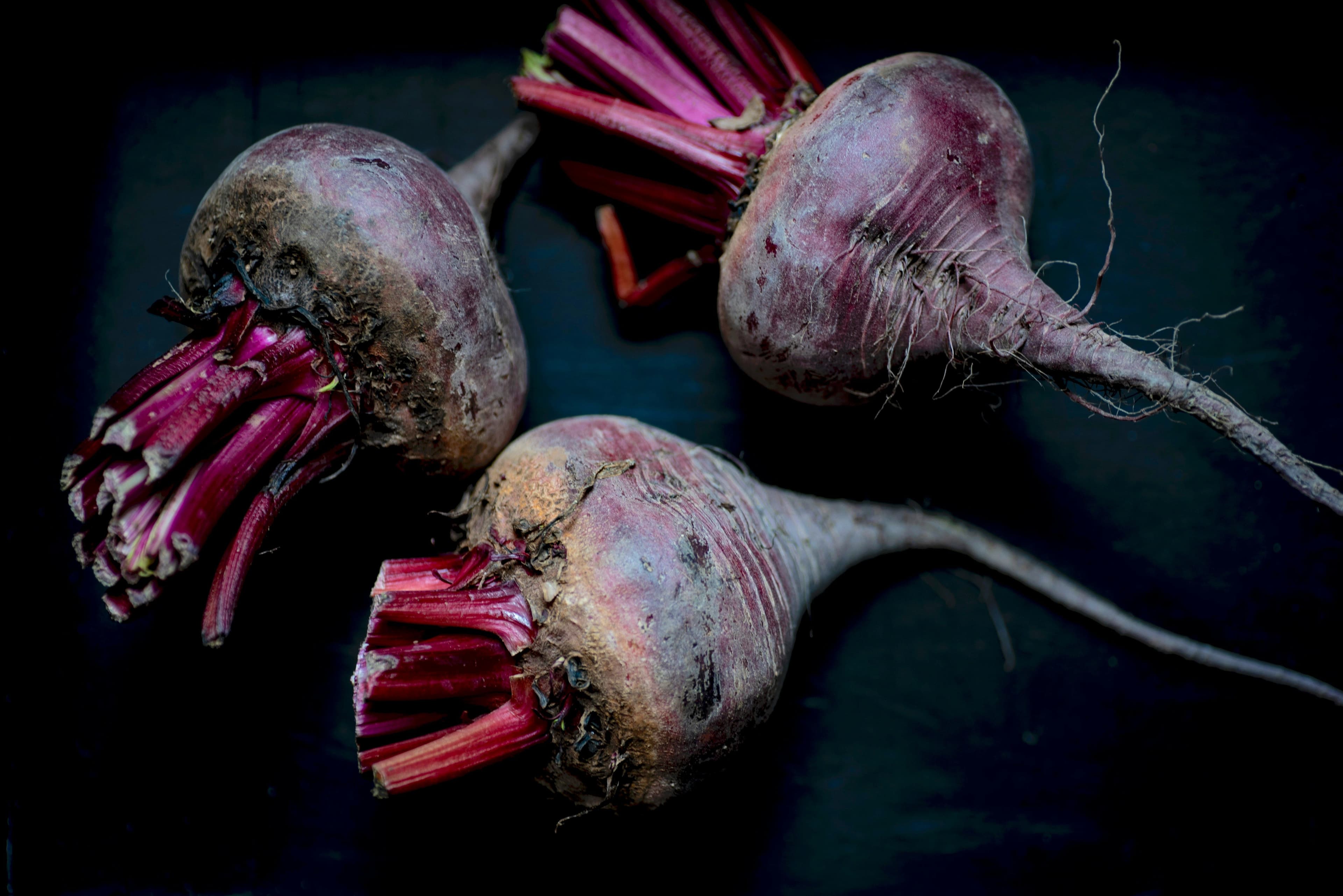
Dwight Schrute was right when he said beet juice has medicinal values.
Compounds like betaine, ferulic acid, rutin, kaempferol, and caffeic acid in beetroot contain cancer-fighting properties. Beetroot contains several components that are antioxidant and anti-inflammatory, both of which help prevent cancer cell growth.
Bored of eating raw beetroot in your salad? Worry not! The humble beetroot is a versatile vegetable that adjusts itself in a variety of different flavors. Here are three easy recipes to help you sneak this nutritional powerhouse into your meals!

Beetroot is being studied as a potential food crop for space missions because it grows quickly, is nutrient-dense, and can be consumed almost entirely (leaves included).
Elevate your dinner with this Beet-Dyed Homemade Pasta with Creamy Beet Sauce. This stunning pink pasta, infused with beetroot juice, is a visual treat and a flavour-packed dish. Toss it in a creamy beet sauce for a rich, indulgent meal that’s as nutritious as delicious.
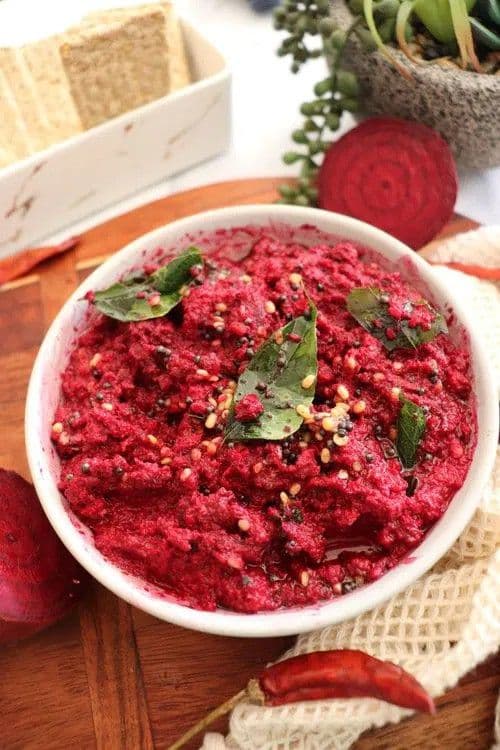
Did you know? Beets have been cultivated for over 4,000 years!
If you are a fan of tang in your food, try this Beetroot Chutney, a versatile condiment that pairs perfectly with dosas, sandwiches, or as a side for rice dishes. Its earthy sweetness and spicy kick will elevate any meal.
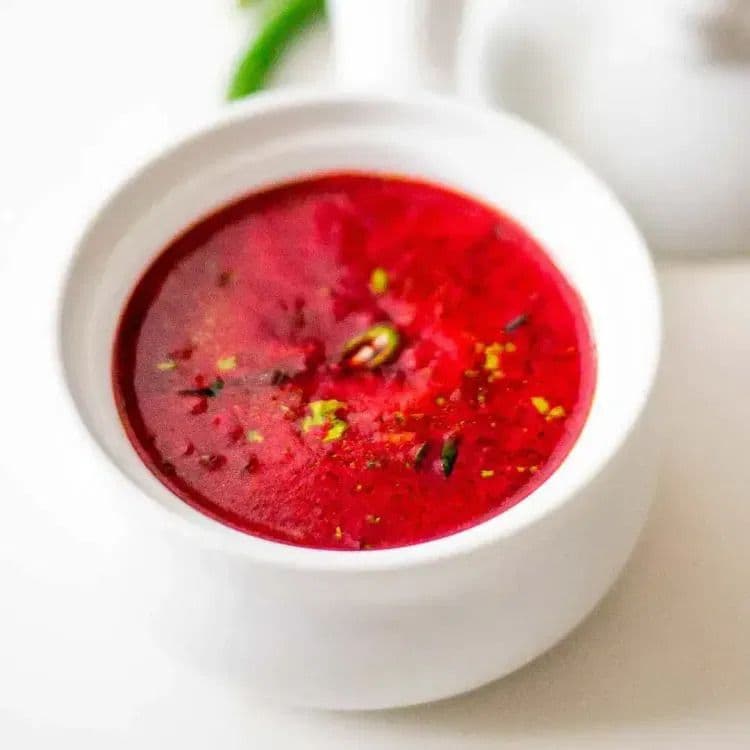
Beetroot juice is often referred to as -nature’s sports drink, due to its high nitrate content.
And lastly, for a comforting soup, try Beetroot Rasam. This South Indian twist on beetroot combines the root vegetable's natural sweetness with the zesty, spicy flavours of traditional rasam. It’s perfect as a light appetiser or a warm, soothing dish on a cold day.
Like many superfoods, beetroots are full of nutrients and low in calories. The nutritional profile of beetroot is vast, with every 100 grams carrying 10 grams of carbs, 2 grams of fibre, 1.7 grams of protein and only 0.2 grams of fat. Beetroot also contains several vitamins and minerals, including folate, manganese, copper, potassium, magnesium, vitamin C, B6, and iron. This earthy, sweet root vegetable is truly a nutritional powerhouse.
Updated on 24 Jul 2025

Save recipes from anywhere, and get answers, swaps, and help as you cook.

