We use cookies on this website to ensure its proper functioning and to improve the quality of our services. Cookie Policy
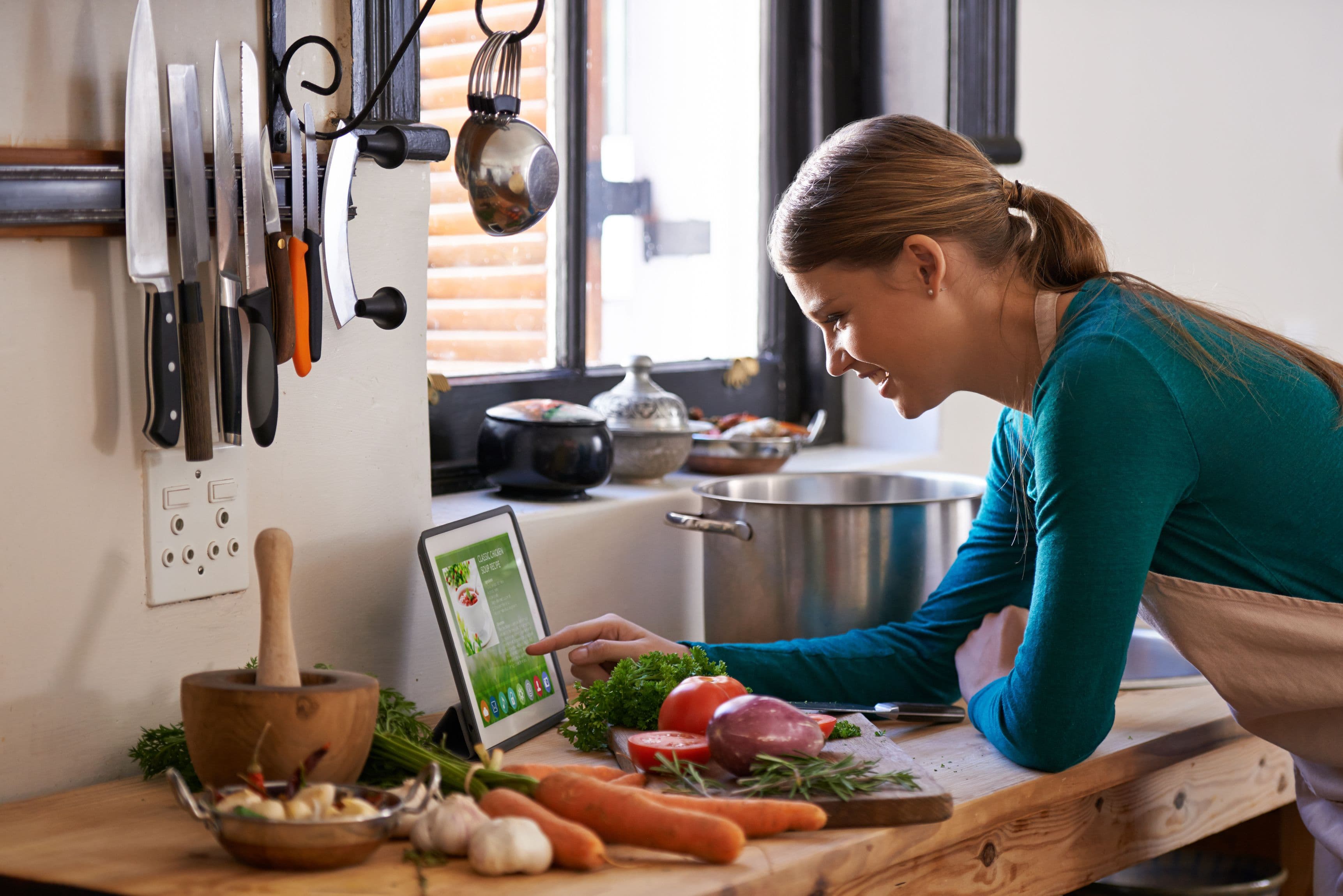
For food bloggers and home chefs who pour their creativity into every recipe, Chefadora’s AI-powered Recipe Genie is a game-changer. It helps you handle SEO, formatting, and structure automatically so that you can focus on the real magic — cooking and storytelling. From auto-suggesting titles and alt text to crafting SEO-compliant recipe cards, Recipe Genie is the tool every recipe writer didn’t know they needed. With Chefadora for food bloggers, you get a purpose-built platform that understands the unique needs of food writing from the ground up.
While millions of recipes live online, only a few feel personal, clear, and worth bookmarking. That’s because good recipe writing is more than listing steps — it’s a creative process that blends clarity, storytelling, and structure. But just like cooking, the right tools and techniques can make it easier.
While there are technicalities to it, recipe-writing is still a form of writing, a skill that requires a degree of art to it. It is essentially recipe storytelling. It involves a level of empathy, narrative, and voice. Writing recipes with personality also makes reading them enjoyable. Over time, readers connect to your unique voice while receiving recipes that help them with their daily cooking.

Recipe writing is an art — a mix of empathy, narrative, and voice.
You must understand that good recipes do more than just instruct; they engage. When a reader goes through your recipes, consciously or subconsciously, they follow the tone, pacing, and context just as much as ingredients. And like most skills, recipe writing also needs to evolve with time. In the past, recipes were shared via cookbooks, then blogs came around, and although we still share recipes via blogs, it has evolved into something much more complex.
A well-written recipe has a recipe of its own. To write something meaningful and engaging, you must consider the flow, grammar, tone, and readability. There is a recipe structure that every good recipe follows, it goes like this:
Engaging introduction (context, inspiration, or tips): An engaging introduction hooks the reader to your recipe. Many argue it is the most essential part of your recipe. Ensure your recipe begins with a short, engaging story or a quick tip that sets the tone and connects with your audience. Immerse your reader in the dish’s background, and this might give them a reason to try it out.
Clear ingredients list (ordered by use, with measurements): This is crucial. No one likes reading a recipe where they go through an ingredient list and bring everything home, only to start reading the recipe and realise an ingredient was not listed. Even if you take a common ingredient like salt or sugar, if it's being used in the recipe, include it in the ingredient list.
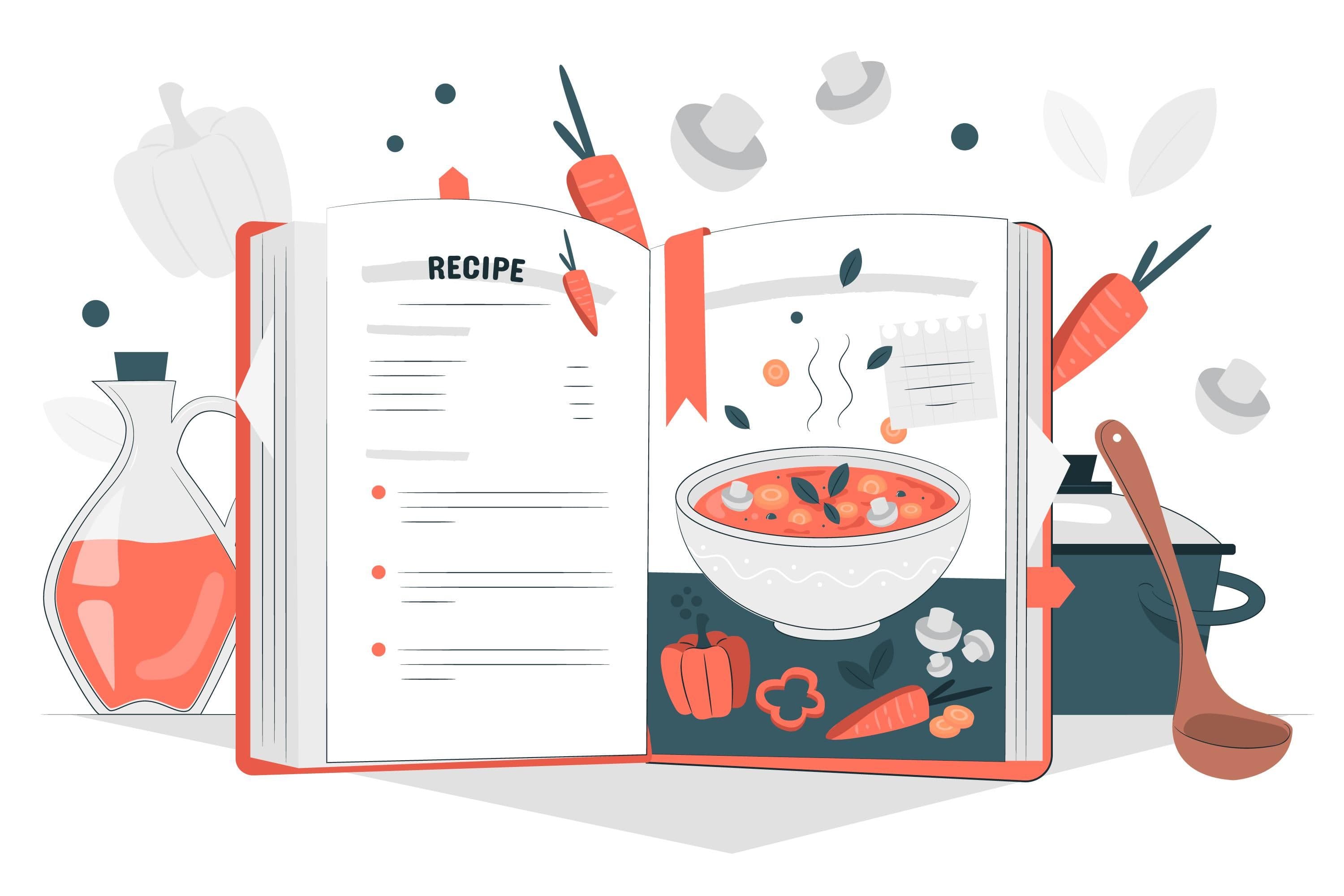
The anatomy of a well-written recipe blends clarity, structure, and care for the reader.
Step-by-step instructions (actionable and easy to follow): Many recipe writers falter when it comes to this. They sometimes merge two steps into one step. Remember, the person reading your recipe might not be as polished in the kitchen as you are. The recipe should be written from their perspective. So, break down each step into simple, actionable instructions. Focus on writing clear cooking instructions that even beginner cooks can easily understand and follow.
Cooking time, servings, and prep notes: This is a simple step that helps the readers a ton. By including cooking time, you are letting them know exactly the amount of time they need to put aside for this particular recipe. Notes that can help with planning ahead are also really useful in ensuring a smooth and enjoyable cooking experience.
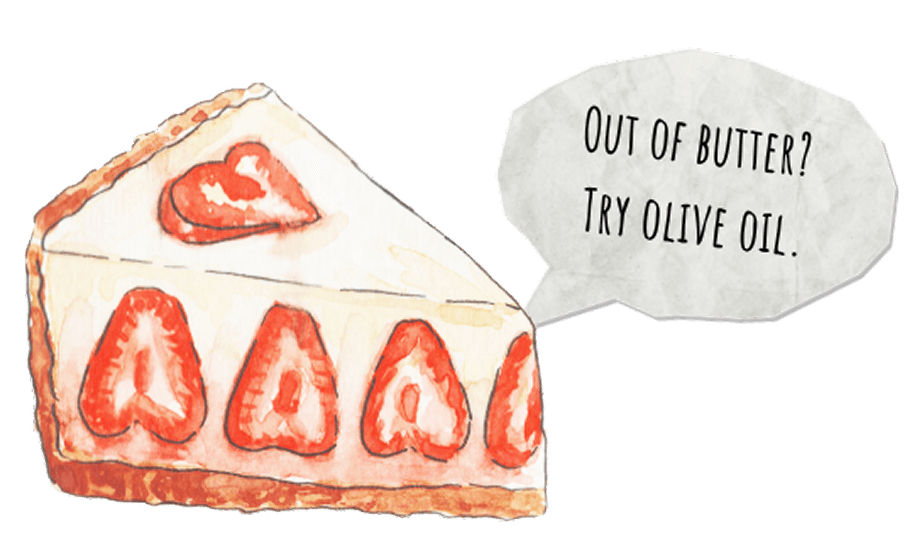
Tips, variations, and serving suggestions: Tips like ingredient swaps or geographical and cultural variations help cater to a larger audience. What you are doing essentially is blurring the borders and boosting the accessibility of your recipes. You can also add a few serving ideas to make it feel complete and share-worthy.
Nutritional information (if applicable): Listing key nutritional details like calories, fat, and protein per serving can enhance your recipes twofold. This helps health-conscious readers make informed decisions while enjoying your recipes. In today’s world, more and more people are concerned about their health. Going that extra mile when writing your recipe can help you build a loyal following of people who love food but are highly conscious of what they consume.
Formatting also plays a significant role in your recipes' readability and SEO. Including bullet points and bolded scripts can make your recipe more comfortable for your readers.
There are some common mistakes that recipe writers make when writing their recipes. Understandably so, as writing might not be everyone’s forte. So we help you point out the common mistakes you can make, and then we can figure out how to avoid common food blog errors.
Avoid the biggest rookie mistake: assume less, explain more.
Common recipe writing mistakes:
Here are some recipe-writing tips to fix these errors:
Here's what renowned food content creator Leena Kohli, aka @leenakohlirecipes advised to aspiring recipe writers, "I would say stick to your style. Stick to your distinct ideas, whatever you're doing. At the same time, be open to learning other things. The second thing for new writers is to make their recipes simple, understandable and step-wise. In other words, make it simple enough that a novice person, such as a child, can also understand and follow what you have written. It should not be complicated. Just make it simple for all to understand." To read the full article click here.
For recipe writers and food bloggers, having the right tools can transform your recipe-writing process from overwhelming to efficient. Grammar checkers like Grammarly help you avoid grammatical mistakes and improve the overall readability of your recipe, while SEO research tools such as Ubersuggest and Google Keyword Planner help you identify the best keywords to improve your visibility online. When it comes to organising and formatting, platforms like Notion and Google Docs are excellent for planning and structuring your content.
One standout recipe writing software tailored specifically for food creators is Chefadora’s Recipe Genie. As one of the most innovative AI tools for food bloggers, it auto-suggests SEO-friendly titles and alt text and even structures your recipe cards using compliant schema markup. Best of all, it’s built for recipe writing from the ground up, so there’s no need for extra plugins or complex setups. These tools simplify the process and elevate the final result.
To get some SEO tips, check out our article: Six SEO Tips for Food Bloggers to Get More Traffic to Your Recipes.
Chefadora lets you enjoy the creative side of cooking, while taking care of the technical details.
When it comes to balancing creativity with the technical demands of food blogging, Chefadora for food bloggers offers a game-changing solution. Built specifically for recipe creators, this platform takes care of the formatting, SEO, and structural elements from the start, allowing writers to focus on what truly matters—storytelling and connecting with their audience. When the tech hassle is taken care of, you can spend your time refining the recipe’s flavour and voice rather than spending most of your time understanding the technical complexities of a blog. It’s easily one of the best tools for recipe writers who don’t want to dim their creative flair by losing themselves in the technical aspect of a food blog.
Click here to learn more about Recipe-Genie
Finding food writing inspiration can sometimes feel like chasing a fleeting spark, especially when the technical side of recipe blogging gets overwhelming. At its core, recipe writing is about sharing, not just instructions, but pieces of yourself. When the technical side of blogging gets overwhelming, Chefadora is the partner that keeps your creativity flowing. Built to simplify recipe blogging, it gives you the freedom to write, cook, and inspire without friction. Try Chefadora’s Recipe Genie and watch your food stories come to life — one beautifully crafted recipe at a time.
Updated on 16 Sept 2025
Save recipes from anywhere, and get answers, swaps, and help as you cook.

