Protein: Everything You Need to Know for Better Health
Everything you need to know about protein — why it matters, how much you need, and easy ways to get it from everyday foods.
by Leena Kohli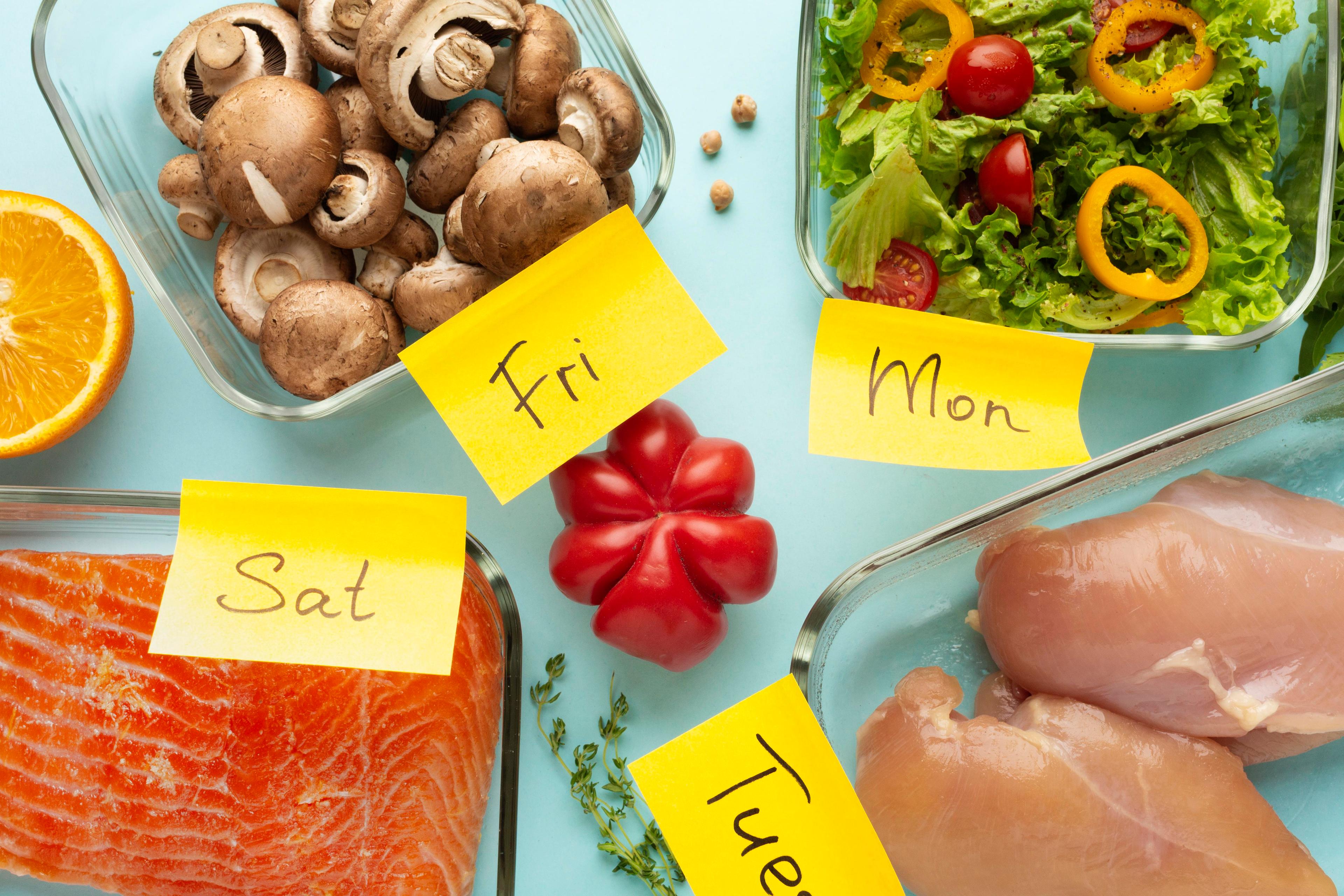
Protein isn’t just for gym-goers or athletes — it’s something every single person needs to stay healthy and energised. From shiny hair and glowing skin to strong muscles and a powerful immune system, protein quietly supports nearly every part of your body.
Table of Contents
- The Science: Amino Acids, the Building Blocks of Life
- How Protein Helps Your Body Function Every Day
- You Don’t Need Fancy Supplements — Just Smart Food Choices
- How to Know If You’re Not Eating Enough Protein
- Simple, Everyday Ways to Boost Your Protein Intake
- More Than Muscles: Hidden Benefits of Protein
- How Much Protein Does Your Body Actually Need?
- Protein Needs Through Different Life Stages
- Can You Have Too Much of a Good Thing?
- Choosing the Right Protein Powder (If You Use One)
- Protein Timing: When to Eat It for Maximum Benefit
The Science: Amino Acids, the Building Blocks of Life
Protein is one of the three essential macronutrients your body depends on, along with carbohydrates and fats. It’s made up of tiny building blocks called amino acids, which help your body grow, repair, and function properly.
While your body can make some amino acids on its own, nine of them — called essential amino acids — must come from food.
How Protein Helps Your Body Function Every Day
Protein plays countless roles in your body:
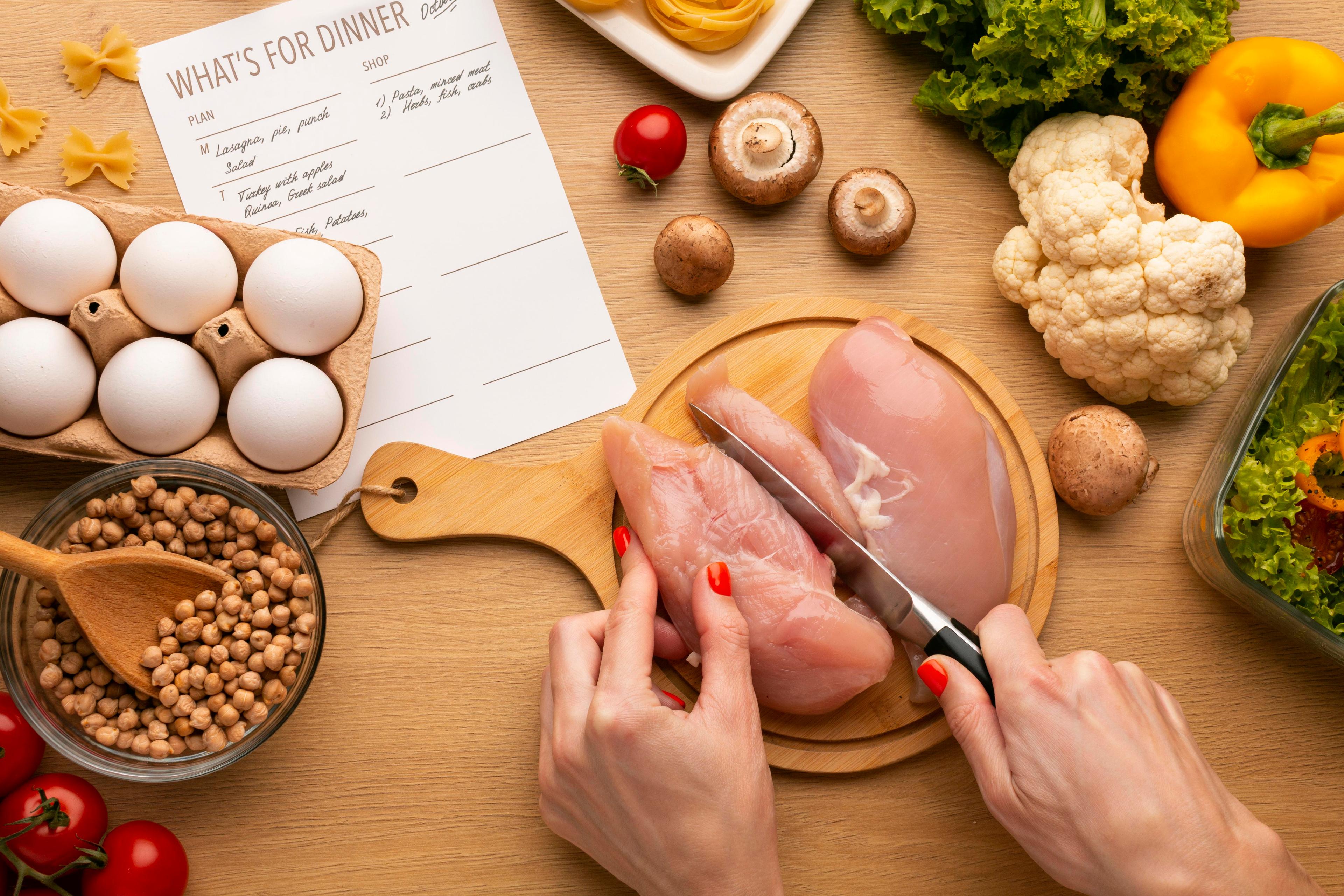
- Muscle growth & repair: After workouts or daily wear and tear.
- Hormone balance: Insulin, growth hormones, and enzymes are protein-based.
- Immunity: Antibodies that fight infection are made of protein.
- Cell structure & transport: Proteins carry oxygen (hemoglobin) and repair tissues.
- Hair, skin & nails: Collagen and keratin are proteins that keep you looking radiant.
You Don’t Need Fancy Supplements — Just Smart Food Choices
You don’t need powders or expensive supplements to meet your daily protein needs — everyday meals can do the job beautifully.
Non-Vegetarian Sources - Chicken, fish, eggs, milk, paneer, and yogurt.
Vegetarian & Vegan Sources - Lentils, beans, chickpeas, tofu, tempeh, soy milk, quinoa, nuts, and seeds.
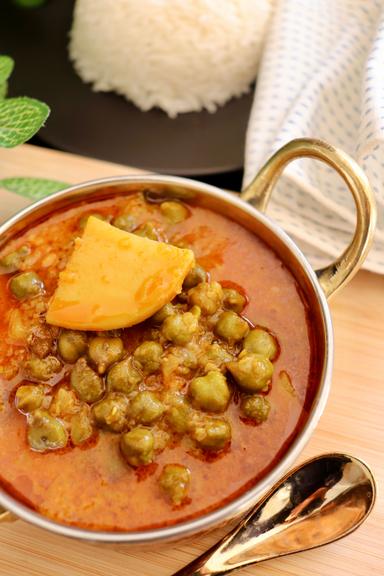
Try Try Green Chickpeas Curry
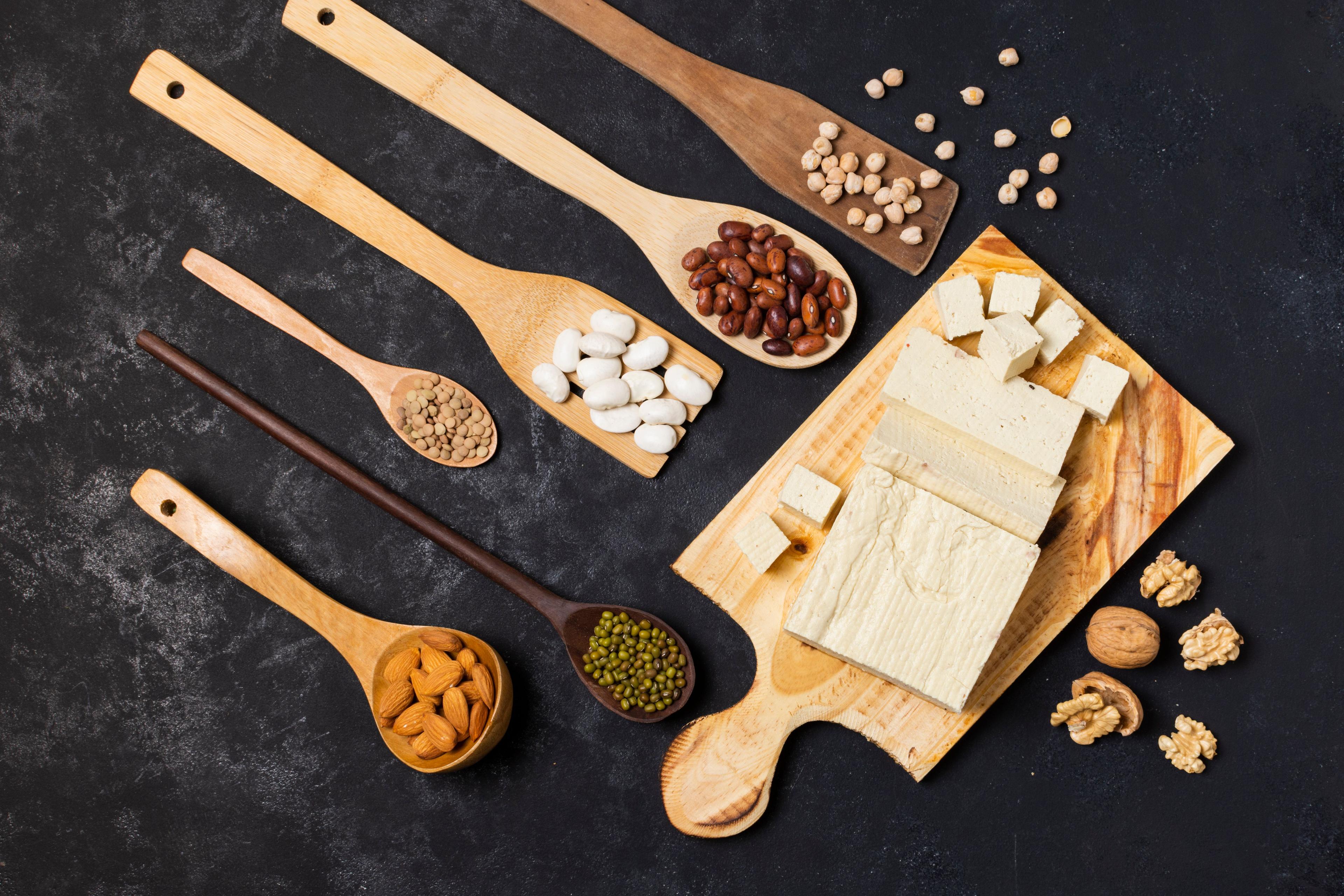
💡 Tip: A simple mix of grains + pulses (like rice with dal or roti with chana) forms a complete protein, giving your body all essential amino acids.
How to Know If You’re Not Eating Enough Protein
Your body gives subtle hints when protein intake is low:
- Fatigue and low energy
- Hair fall or brittle nails
- Muscle weakness or cramps
- Frequent colds or infections
- Mood swings or brain fog
- Slower recovery after workouts
If you notice these, include more high-protein foods in your meals.
Simple, Everyday Ways to Boost Your Protein Intake
You don’t have to overhaul your diet — just make small tweaks:
- Add Greek yogurt or cottage cheese to breakfast.
- Snack on nuts, boiled eggs, or roasted chickpeas.
- Blend peanut butter, seeds, or milk into smoothies.
- Use tofu, sprouts, dal, lentils, or fish in main meals.
- Sprinkle chia, hemp, or flax seeds over salads and soups.
Check out Anda Lababdar (Poached Egg Curry)
💡 Tip: Include some protein in every meal — it keeps you full longer and stabilises blood sugar.
More Than Muscles: Hidden Benefits of Protein
Protein supports:
- Weight management: Keeps you full longer and curbs cravings.
- Better metabolism: Burns more calories during digestion.
- Improved mood: Amino acids help form serotonin and dopamine.
- Healthy aging: Preserves muscle and bone strength.
- Blood sugar control: Slows glucose absorption — helpful for diabetics.
How Much Protein Does Your Body Actually Need?
The general rule: 0.8 grams of protein per kilogram of body weight.
If you’re active, aim for 1.2–2 grams per kilogram.
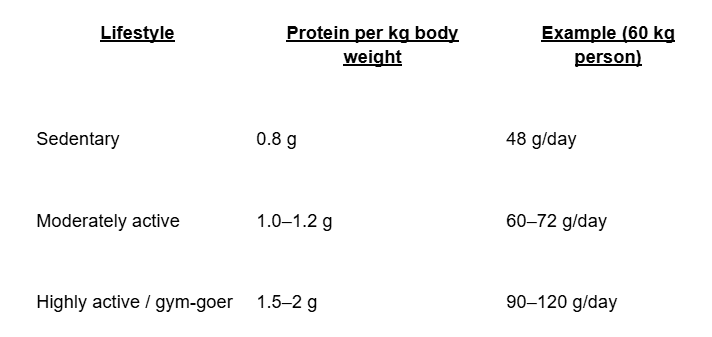
Spread it across the day — your body absorbs protein better in smaller doses rather than all at once.
Protein Needs Through Different Life Stages
Certain groups need even more attention to their protein intake:
- Children & teens: For growth and hormone balance.
- Pregnant & breastfeeding women: For the baby’s development and milk production.
- Athletes: For muscle repair and endurance.
- Older adults: To maintain strength, mobility, and prevent frailty.
Busting the Biggest Myths About Protein
There are a few common myths that often confuse people:
- ❌ Protein is only for gym-goers. → Everyone needs it.
- ❌ Vegetarians can’t get enough protein. → They can, with smart food combinations.
- ❌ Protein shakes are mandatory. → Food-first always works best.
- ❌ Too much protein makes you bulky. → It tones and strengthens naturally.
- ✅ The key is balance: focus on wholesome foods, not just supplements.
Can You Have Too Much of a Good Thing?
Excessive protein; especially from powders or processed foods can strain your kidneys (if you already have issues) or add extra calories that lead to weight gain.
Aim to get most of your protein from natural sources and drink plenty of water throughout the day.
Choosing the Right Protein Powder (If You Use One)
If you choose to supplement, pick wisely:
-
Whey protein: Fast-absorbing and ideal post-workout.
-
Casein protein: Slow-digesting — good before bed.
-
Plant-based protein: Pea, brown rice, or hemp — perfect for vegans.
Avoid options with added sugars or artificial flavours.
Protein Timing: When to Eat It for Maximum Benefit
- Morning: Kick-start metabolism with eggs or yogurt.
- After workouts: A protein meal or shake within 30–60 minutes helps recovery.
- Before bed: Casein or paneer aids overnight muscle repair.
Related Recipes



Protein isn’t a diet trend or a gym secret — it’s a daily essential for better health, strength, and vitality. Whether you’re cooking for your family, experimenting with new recipes, or planning a quick weekday meal, remember to include a source of protein on your plate — dal, paneer, tofu, eggs, or nuts.
Next time you cook, ask yourself one small but powerful question:
“Where’s the protein?”
Because when you make room for protein in your meals, you make room for better energy, glowing health, and a stronger, happier you.
Updated on 15 Oct 2025

About the author
Leena KohliLeena Kohli shares easy-to-follow home cooking recipes on Chefadora and writes for its blog, mostly about ingredients and food science.
More from Leena Kohli
Your recipes can talk now 👀
Save recipes from anywhere, and get answers, swaps, and help as you cook.
