We use cookies on this website to ensure its proper functioning and to improve the quality of our services. Cookie Policy
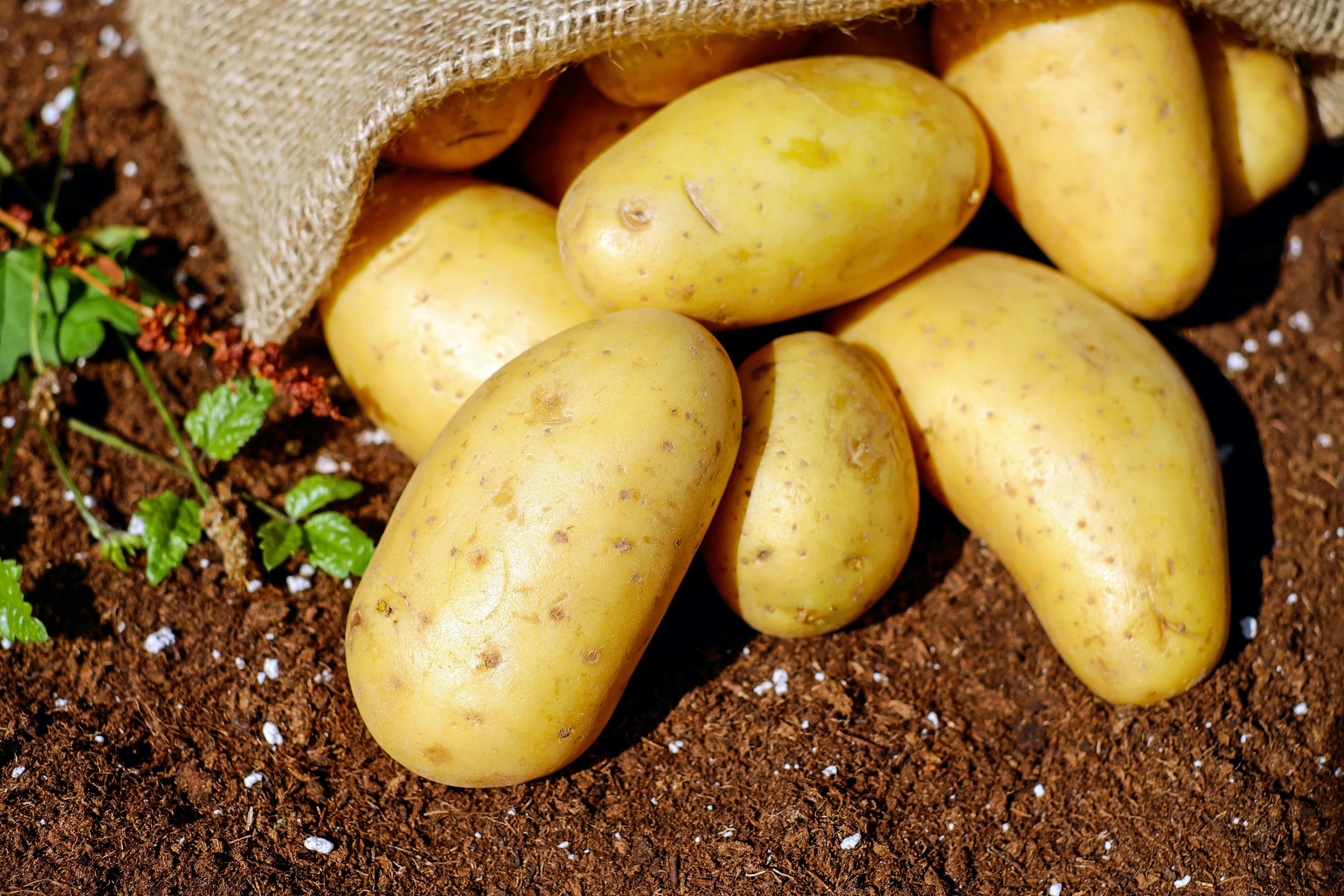
For years, the humble potato has been a staple in diets worldwide, but one question continues to spark debate: Is a potato really a vegetable? While it grows underground like other root vegetables, its nutritional profile sets it apart. Experts say that while potatoes are botanically classified as vegetables, they are often nutritionally grouped with grains due to their high carbohydrate content.
According to the U.S. Department of Agriculture (USDA), potatoes are indeed vegetables because they come from a plant and contain edible roots. They belong to the nightshade family, Solanaceae, alongside tomatoes, peppers, and eggplants. However, unlike leafy greens or cruciferous vegetables, potatoes are classified as starchy vegetables, meaning they provide more carbohydrates and less fiber than their non-starchy counterparts.
A report from CNBC highlights that while potatoes are rich in essential nutrients like vitamin C, potassium, and B vitamins, they are often considered more of an energy source than a typical vegetable. Nutritionists often compare potatoes to grains due to their impact on blood sugar levels.
The confusion surrounding potatoes stems from their high carbohydrate content. As studies explain, potatoes serve as a major energy source, similar to rice, pasta, and bread. This is why some dietary guidelines group them with grains rather than vegetables when considering a balanced plate.
Despite this classification, potatoes offer valuable health benefits. They are naturally low in fat, high in potassium—more than a banana—and a great source of vitamin C. Birds Eye UK points out that potatoes can be part of a healthy diet when prepared in nutritious ways, such as baking or boiling instead of frying.
For those looking for tasty and healthy potato-based meals, recipes like Stuffed Spinach Potato Naan offer a flavorful way to enjoy potatoes while incorporating leafy greens.
While potatoes have been criticized for their role in high-calorie meals like French fries and chips, their health impact depends largely on preparation. Boiled or baked potatoes retain their nutrients, while frying adds unhealthy fats. The fiber content in potatoes also increases when eaten with the skin, making them more comparable to whole vegetables.
Dietitians suggest pairing potatoes with protein and fiber-rich vegetables to balance their carbohydrate content. For example, serving them with lean meats, beans, or leafy greens can prevent blood sugar spikes and provide a well-rounded meal. A lighter way to enjoy potatoes is in a refreshing Potato Salad , a simple yet nutritious way to incorporate potatoes into meals, offering a delicious balance of flavors and textures without excess oils or fats.
While botanically a vegetable, Potatoes have high starch content which places it in a unique category. Potatoes are a versatile and nutritious food when consumed in moderation and prepared healthily. Whether you consider them a vegetable or a carbohydrate, one thing is clear: potatoes are here to stay as a delicious and essential part of diets worldwide.
Updated on 21 Jan 2026
Save recipes from anywhere, and get answers, swaps, and help as you cook.

