We use cookies on this website to ensure its proper functioning and to improve the quality of our services. Cookie Policy
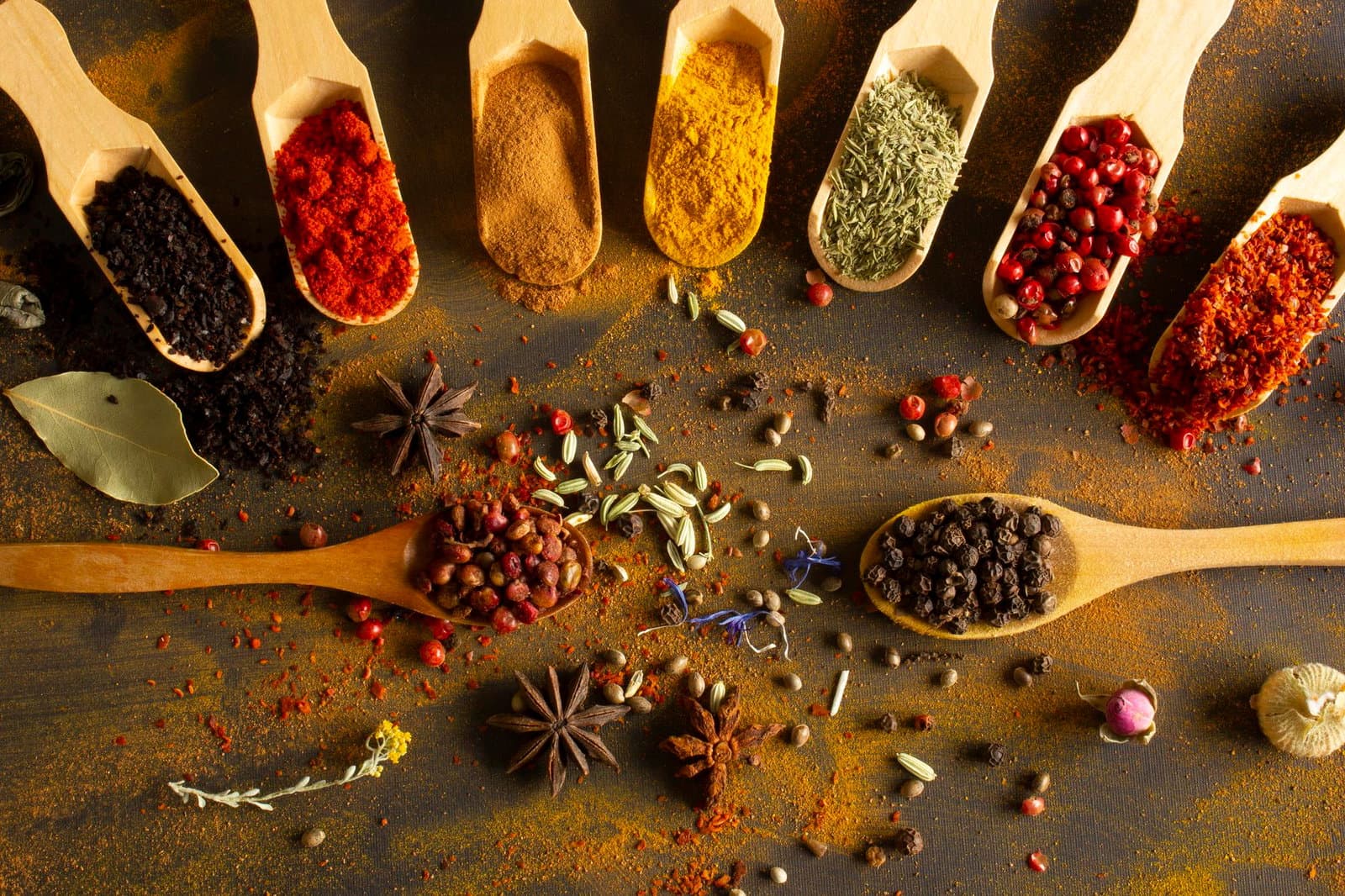
Spices are like the magic wand of the kitchen. They are the secret ingredients that turn a simple bowl of lentils or a plate of vegetables into something truly special. Many people think that learning how to use spices in cooking is difficult or that it always makes food "hot," but that isn't true. Spices are actually there to add aroma, beautiful colors, and a deep sense of flavour.
Cooking with spices is an art of balance. It's about finding that sweet spot where the spices enhance the natural flavor of the food rather than overpowering it. From the sizzle of a tadka to the slow infusion of a marinade, every method of using spices makes a distinct difference.
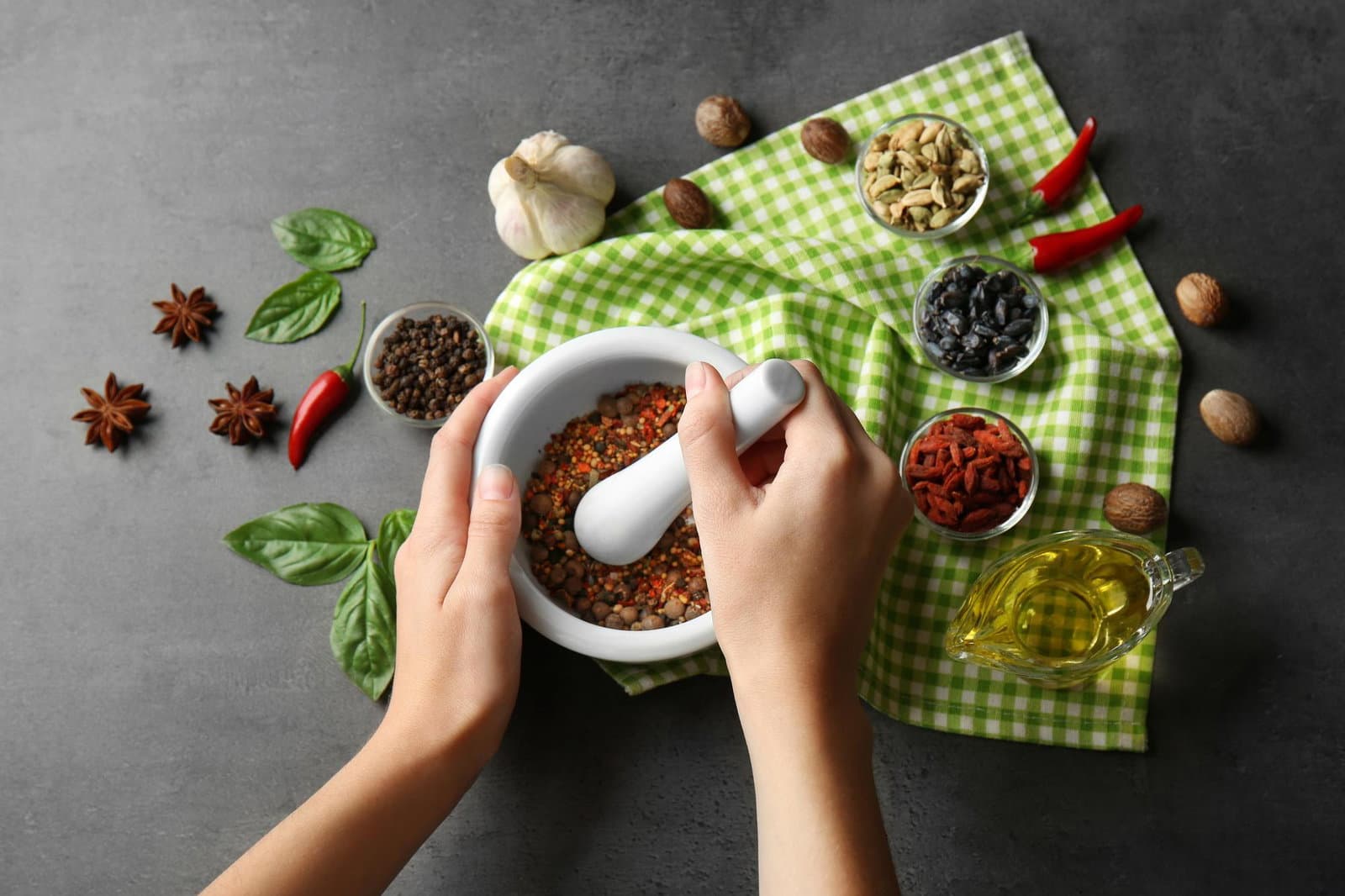
Whether you are a student cooking for the first time or someone who has been in the kitchen for years, the rules are the same: keep it simple, be patient, and remember that a little bit goes a long way. This guide will help you understand how to use spices the easiest way possible.
Spices do a lot more than just make food taste good. First, they make every meal more exciting. Without them, most food would feel plain and boring. Just a tiny pinch of a spice can change the whole mood of a dish. Second, spices are great for your health. For a long time, people have used spices like ginger and cumin to help with digestion and to stop that heavy, bloated feeling after eating.
They also act as natural medicine. For example, turmeric is famous for helping the body heal, and cinnamon is great for keeping your energy levels steady. Because spices add so much flavor and "zip" to your food, you might find that you don't need to use as much salt or heavy oil. This makes your home-cooked meals much heartier and healthier for your heart and body.
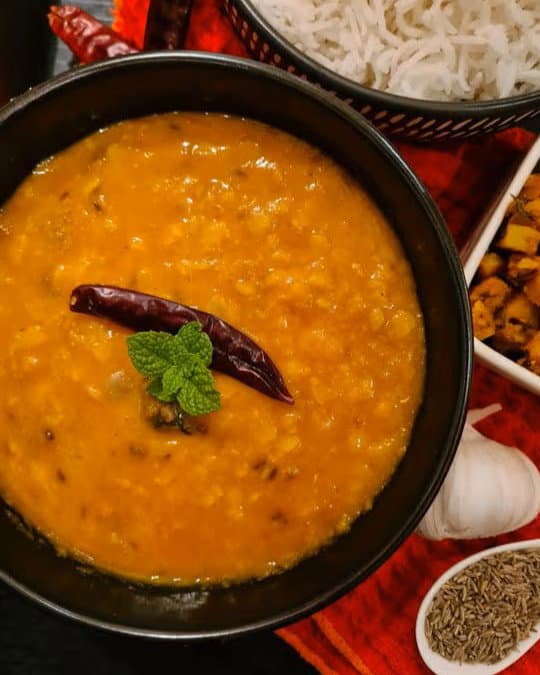
There are a few easy tricks to getting the most out of your spices. One of the most popular ways is called Tempering, or Tadka. This is when you drop whole seeds, like cumin or mustard seeds, into a little bit of hot oil or ghee. When the seeds start to sizzle and pop, they release their yummy smells into the oil. You then pour this flavored oil over your dish. Just be careful not to let them turn black, or they will taste bitter!
Try Arhar Dal Tadka is a great dish to practice your first tadka on.
Another great trick is Dry Roasting. This simply means putting spices in a warm pan without any oil for a minute or two. This wakes up the flavor and makes them smell amazing. If you want a really deep flavor, you can try Marinating. This is where you mix spices with yogurt or lemon juice and let your food sit in that mixture before you cook it. It makes things like Tawa Chicken Tikka or paneer extra soft and tasty.
Lastly, remember that some spices are best added at the very end. While some spices need to cook for a long time to lose their "raw" taste, others, like homemade garam masala or black pepper, are like a garnish. Adding them just before you turn off the stove keeps their scent fresh and strong.
It helps to know that spices come in two main forms. Whole Spices are things like cinnamon sticks, whole cloves, or bay leaves. These are tough and strong, so they are perfect for things that cook for a long time, like soups or rice. They give off a gentle, slow flavor.
Ground Spice Powders are the powders you see in jars, like turmeric or chili powder. These give a very quick and strong flavour because they mix into the food instantly. Because they are powders, they can lose their "punch" faster than whole spices, so it is always a good idea to use them while they are fresh.
If you are new to using spices, always start with a small amount. You can always add more later, but you can't take it out once it's in there! Try to keep your spices in tightly closed jars in a dark cupboard. If spices sit in the sun or near a damp sink, they lose their magic and won't taste like much.
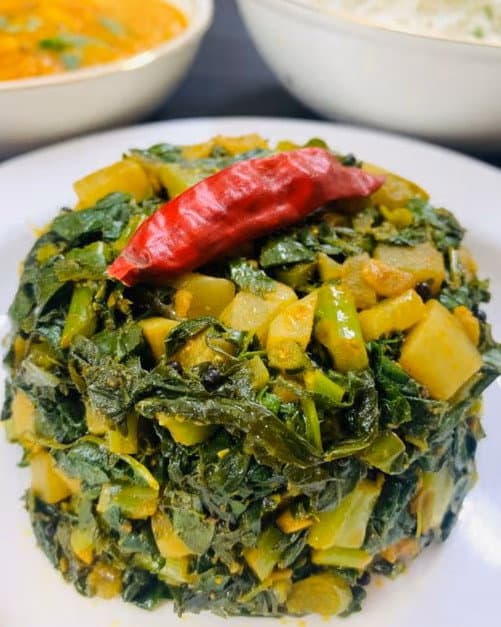
A common mistake is trying to use too many spices at once. You don't need ten different jars to make a good meal. Often, just two or three spices that go well together are enough. For example, if you are making a simple vegetable dish like Mooli ki Sabzi, just a bit of cumin, turmeric, and a little salt is a perfect combination.
If you aren't sure which spices go together, try these simple pairs:
At the end of the day, spices are the soul of the kitchen. They make your home smell wonderful and your food tastes like it was made with love. Don't be afraid to try new things and taste your food as you go. The more you practice, the more you will understand which flavors you like best.
You don't need to be an expert; you just need to be curious. Once you start using spices the right way, you'll find that even the simplest meals become a treat for the whole family. Happy cooking!
Updated on 04 May 2026

Save recipes from anywhere, and get answers, swaps, and help as you cook.

