We use cookies on this website to ensure its proper functioning and to improve the quality of our services. Cookie Policy
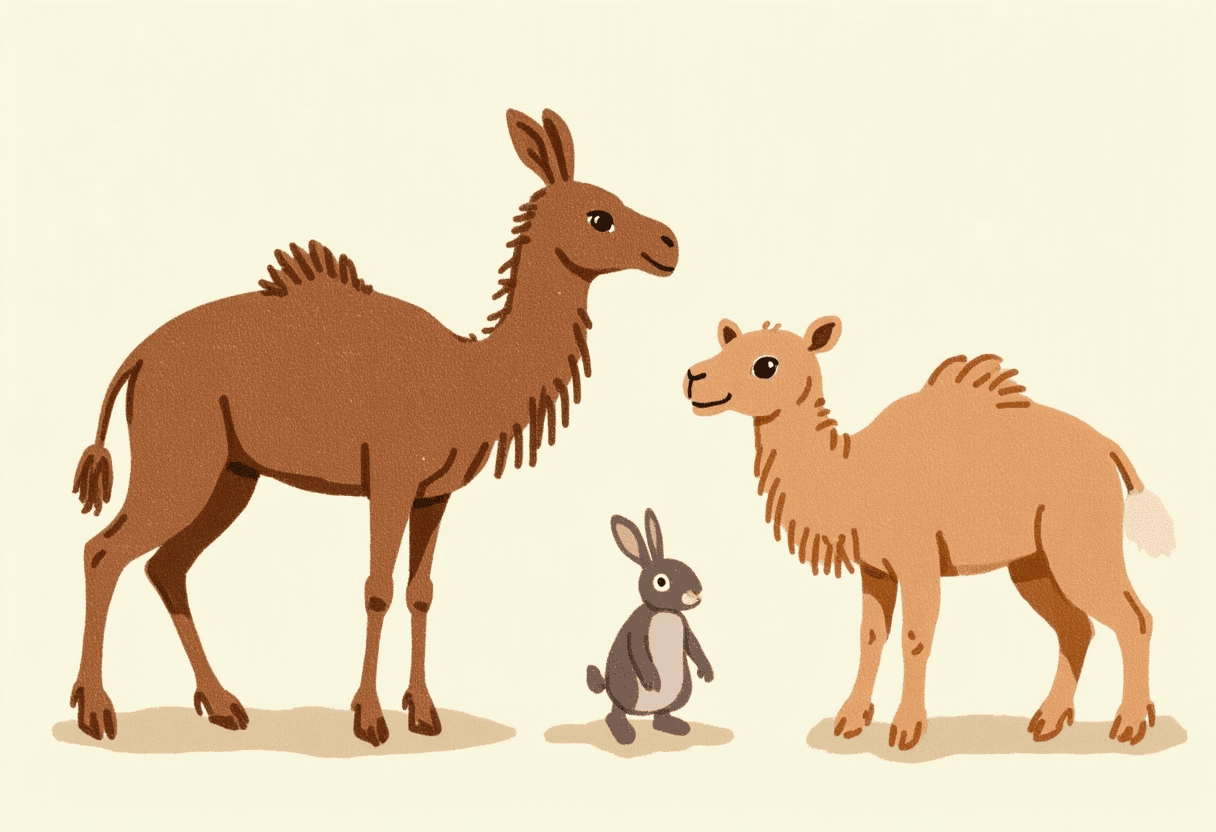
As invasive species continue to threaten Australia’s delicate ecosystems, experts are proposing an unconventional solution—eating them. From rabbits and camels to feral pigs and deer, scientists and environmentalists argue that turning these invaders into food could help control their populations while reducing their ecological impact. However, the idea remains controversial, with some warning of unintended consequences.
Australia has long struggled with invasive species that disrupt native habitats and endanger local wildlife. According to the Biodiversity Council, introduced animals like rabbits, camels, and feral pigs cause extensive damage to vegetation, waterways, and farmlands. They compete with native species for food and shelter, leading to biodiversity loss.
For example, rabbits, first introduced in the 1800s, have multiplied into the millions, consuming vegetation at an alarming rate and causing soil erosion. Similarly, Australia is home to an estimated one million feral camels, which deplete water sources in arid regions.
Given the difficulty in controlling these populations through traditional methods, some experts believe that commercial harvesting for food could be an effective solution.
Advocates of the "Eat the Invaders" movement argue that consuming these animals could create an economic incentive to manage their populations while offering a sustainable food source. The ABC television series Eat the Invaders has brought this debate into the spotlight, exploring whether Australia could curb its invasive species problem by putting them on dinner plates. The show features chefs, environmentalists, and scientists who experiment with preparing meals using wild pests, from barbecued camel meat to rabbit stews.
There are already recipes using invasive species, such as Bush Meat Pepper soup, a West African dish traditionally made with wild game showing how sustainable hunting and creative cooking can go hand in hand.
Supporters of the movement highlight that similar strategies have been implemented elsewhere. In the United States, for instance, invasive lionfish are promoted as a delicacy to curb their spread in the Atlantic Ocean. In Europe, wild boar hunting has been encouraged to control their rising populations.
Despite its potential benefits, the idea of eating invasive species has sparked debate. Critics caution that commercializing these animals might lead to unforeseen consequences. If demand for invasive species meat grows, some fear that it could encourage breeding rather than population reduction, making the problem worse.
There are also concerns about the ethics and practicalities of large-scale harvesting, including food safety, supply consistency, and potential diversion from other conservation efforts. The Invasive Species Council warns that creating a market for these species might entrench their presence instead of eliminating them.
While the debate continues, some chefs and restaurants have already begun experimenting with invasive species as ingredients. In select Australian eateries, camel burgers, wild rabbit stews, and feral pig sausages have appeared on menus, sparking curiosity among diners.
Whether eating invasive species becomes a widespread solution remains to be seen. However, with Australia’s biodiversity under increasing pressure, experts agree that bold and innovative approaches are needed to combat the ecological damage caused by non-native animals.
For now, the question remains: Can dining on invasive species be a sustainable way to protect Australia’s native wildlife, or will it create more challenges than solutions?
Updated on 21 Jan 2026
Save recipes from anywhere, and get answers, swaps, and help as you cook.

