We use cookies on this website to ensure its proper functioning and to improve the quality of our services. Cookie Policy
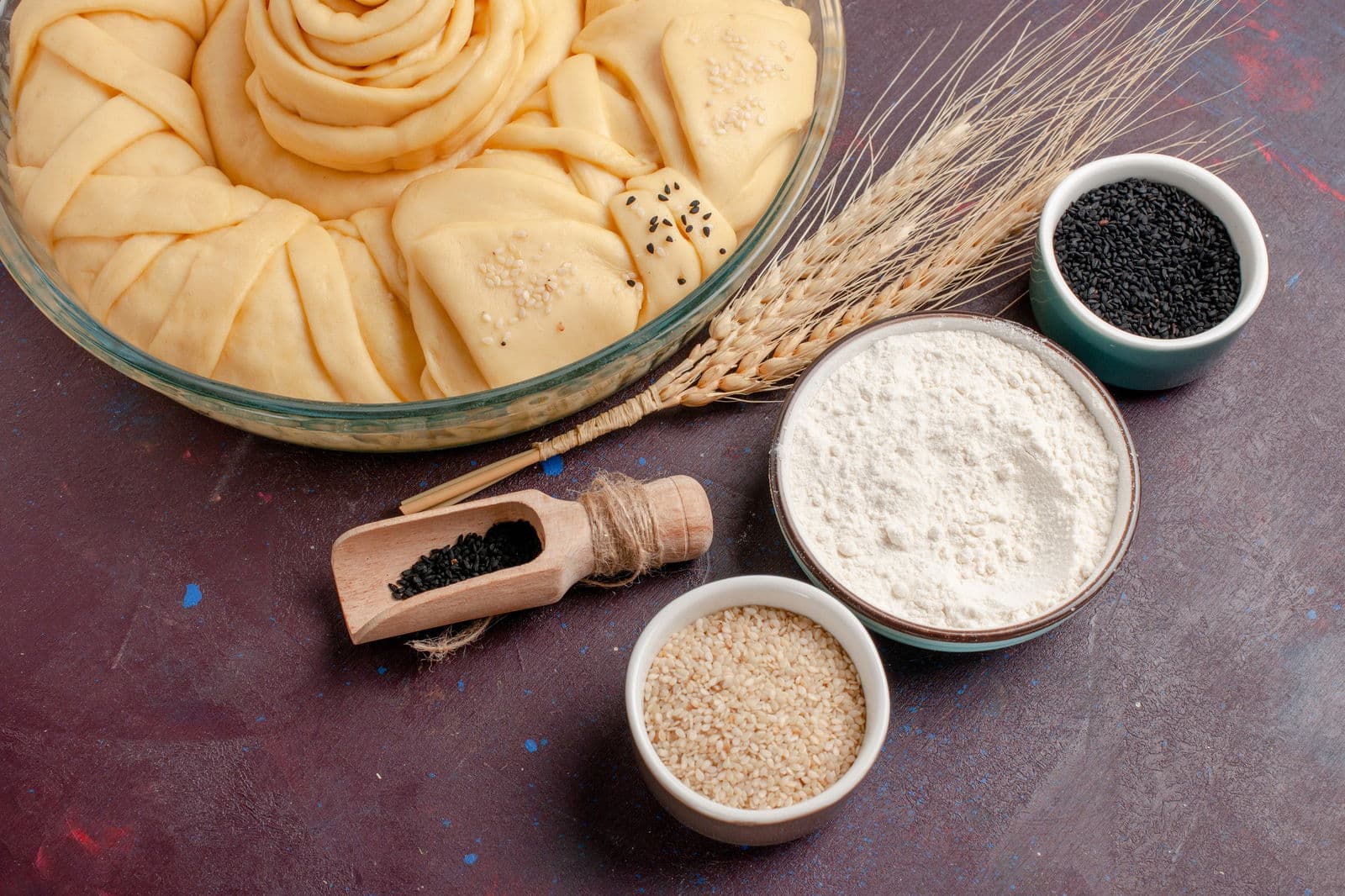
Do you use maida every day for rotis, cakes, pizza, or snacks? Did you know that refined flour can affect your weight, blood sugar, and digestion?
It may be time to switch.
In this guide, you will learn about the best healthy flour substitutes, their benefits, and how to use them in daily cooking. These maida alternatives are popular in both India and the USA. They are healthier, richer in fiber, and better for your body.
In many kitchens, maida (refined wheat flour) is easy to find, but it’s basically empty carbs with no fiber or nutrients. Health experts say maida is “stripped of essential nutrients and fibres” and gives “zero health benefits”. This refined flour can spike blood sugar and raise cholesterol. Instead, try using whole-grain flours and seeds that keep you full longer and boost nutrition. For example, a cooking guide urges us to switch to flours “packed with fiber, protein, and essential nutrients”. Whole grains and millets release energy slowly, help digestion, and support a healthy gut.
Maida is refined flour. It is made by removing the bran and germ from wheat. This process removes fiber, vitamins, and minerals.
Here is what happens when you eat too much maida:
This is why many people now search for healthy flour substitutes or refined flour replacement options. The good news is you have many better choices.
Q: Why is maida considered unhealthy?
A: Maida is heavily refined wheat flour. Almost all the fiber and nutrients are removed in processing. This makes it low in nutrition and high in “empty” carbs. Foods made with maida digest quickly and can spike blood sugar. Over time, eating too much maida can contribute to weight gain, diabetes, and heart issues.
Q: What can I use instead of maida?
A: There are many healthy substitutes. Whole wheat flour (atta) is a good start. Other options include chickpea flour (besan), bajra, jowar, ragi, almond, coconut, quinoa, and buckwheat flours. These are rich in fiber and protein. For baking, mixes like almond+oat flour or atta+besan work well. Even swapping half-and-half (like ½ atta + ½ maida) can improve nutrition.
Q: Can I still bake cakes and cookies without maida?
A: Yes! Use almond or oat flour for cakes, and coconut or chickpea flour for cookies. You may need to tweak recipes (like adding an extra egg or more liquid), but there are many no-maida sweet recipes. For example, Chefadora’s Carrot-Apple Cake (No Oven, No Egg) and Black Rice Protein Brownie are two tasty desserts made without any maida.
Q: Are these flours gluten-free?
A: Some are and some aren’t. Gluten-free flours include rice flour, almond flour, coconut flour, chickpea flour, jowar, bajra, ragi, and buckwheat (kuttu). Regular whole wheat is not gluten-free because it has gluten. Always check the label if you need gluten-free ingredients.
Q: Will the taste and texture change?
A: Often, yes, but it can be a nice change! Whole-grain flours give a hearty, slightly nutty flavor. Almond flour is moist and sweet; coconut flour is mild and a bit chewy. Bread and cakes may be a bit denser, and pancakes might be fluffier. Most people find the flavor delicious. You can also add spices, herbs, or seeds (like cumin or sesame) to balance or boost flavors.
Q: How do I measure substitutes?
A: It varies. For whole wheat (atta), you can usually do 1:1 with maida. For denser flours like coconut or almond, start with about ¾ cup substitute per 1 cup of maida and adjust as needed. It’s okay to experiment. Many online recipes (including Chefadora’s) show exact measurements for no-maida baking.
Q: Where can I find no-maida recipes?
A: Look for “no-maida” or “gluten-free” on recipe sites and blogs. Chefadora has many ideas: Chickpea Wraps, Healthy Oats Pizza, Millet Waffles, Jowar Banana Pancakes, Bajra Cheela, and Millet Pancakes – all made without maida. Check those out for inspiration!
Posted on 23 Feb 2026

Save recipes from anywhere, and get answers, swaps, and help as you cook.

