Best Platforms to Share Homemade Recipes (2025 Guide)
Want to turn your kitchen creations into internet gold? Here's where to start.
by Krishna Dhas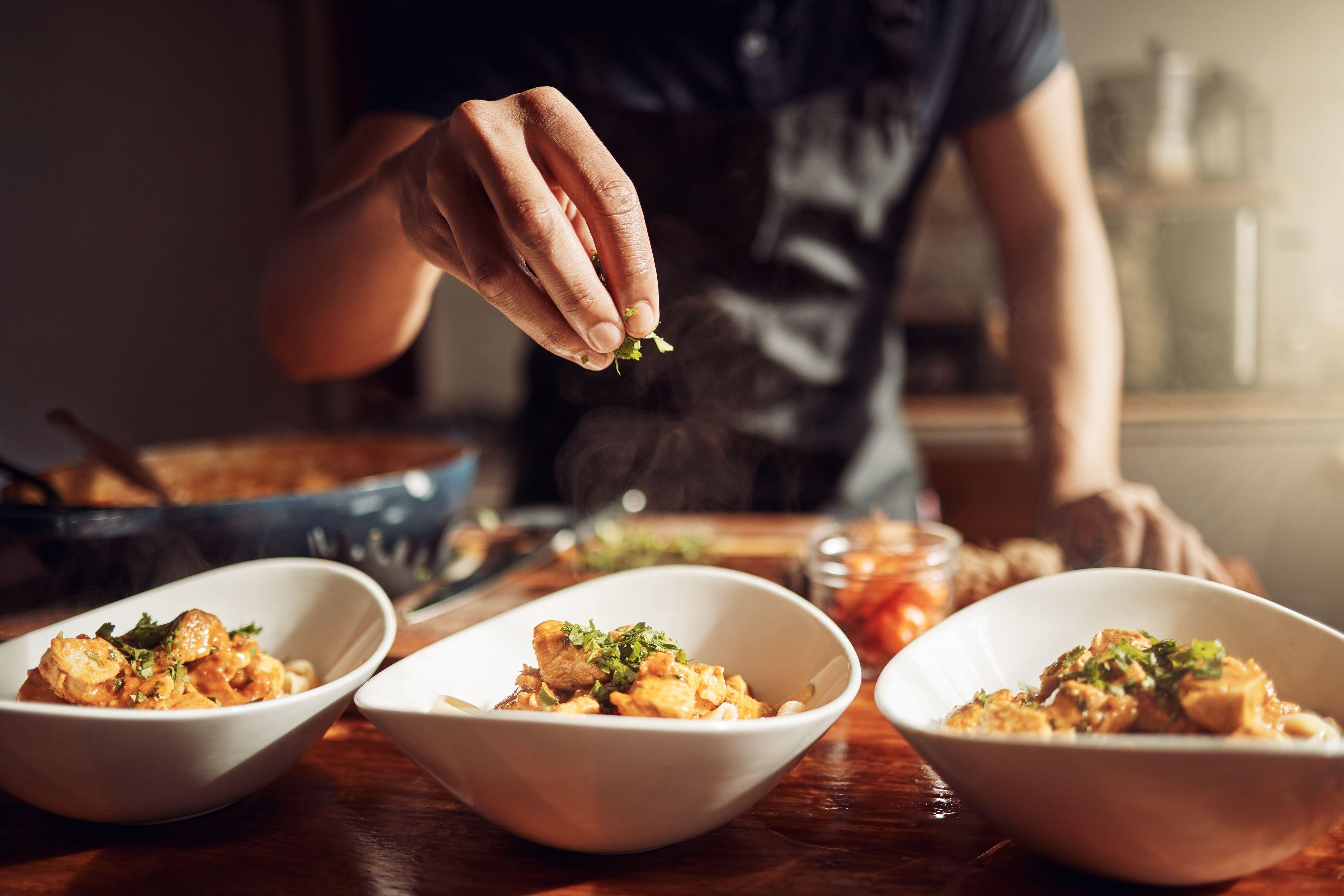
First, why does this matter?
Table of Contents
- First, why does this matter?
- A Little Something About Us:
- 1. Instagram – Visual First, Recipe Later
- 2. WordPress (self-hosted blog) – the SEO powerhouse
- 3. Pinterest – For Evergreen Traffic
- 4. YouTube – The Recipe Video King
- 5. Medium – For the Storyteller Chef
- Bonus Tip: Share Across Many Platforms (smartly)
- Common Mistakes to Avoid
- Real-World Case Study: Homemade to Viral
- SEO Blog Checklist Recap
You have a great biryani recipe or a vegan brownie formula. But what's the point if no one sees it? Sharing your homemade recipes online helps you build an audience. It can grow your food blog or launch a culinary brand. But some platforms work better than others.
This blog explores the top platforms for sharing homemade recipes. We’ll help you find one that fits your style and goals.
A Little Something About Us:
But here's something even more exciting - you can also publish your homemade recipes on Chefadora and earn from it! Creators (over 100,000+) are already using our platform to share their unique food creations and turn their passion into income. Whether you're a home cook or a food enthusiast, Chefadora gives you the tools to grow your personal brand. Want to start earning through your recipes? Check out our Become an Author page and join our thriving community today!
1. Instagram – Visual First, Recipe Later
Instagram is where delicious food pics go viral. If you love styling dishes and snapping photos, this platform is for you.
Why it works:
- Reels and carousels increase reach.
- Easy engagement with foodie communities.
- Great for building a personal brand. Pro tip: Add the full recipe in the caption or link to a blog via Linktree.
2. WordPress (self-hosted blog) – the SEO powerhouse
To build long-term traffic and earn from your recipes, start your food blog on WordPress.
Why it works:
- Full control over SEO and branding.
- Ability to add schema markup (Google loves this!).
- You can grow an email list, run ads, or sell e-books. Pro tip: Use recipe plugins like WP Recipe Maker for structured content.
Best for: Food bloggers, recipe entrepreneurs External Link: Check out WP Recipe Maker
3. Pinterest – For Evergreen Traffic
Pinterest is not a social platform—it’s a visual search engine. Recipe pins can drive traffic for months or even years after posting.
Why it works:
- High-intent users are people who actively seek recipes.
- Well-suited for visually appealing, step-by-step recipes.
- Integrates seamlessly with blogs and YouTube. Pro tip: Use vertical pin designs with text overlays.
Best for: DIY cooks, bloggers, and meal planners
4. YouTube – The Recipe Video King
If you love to explain while cooking, YouTube is your playground. With long-form content trending, recipe videos are among the top food content types.
Why it works:
- Massive audience.
- Monetization potential.
- SEO-friendly with proper titles and tags. Pro tip: Create shorts for quick tips and longer videos for full recipes.
Best for: Educators, video creators, chef-preneurs
5. Medium – For the Storyteller Chef
If you love to write narratives behind your dishes, [Medium]((https://medium.com/@chefadorarecipeblogs) offers a built-in audience. It’s great for food stories, cultural pieces, and meaningful recipe ideas.
Why it works:
- Built-in readership.
- SEO-friendly platform.
- You can monetize via Medium’s Partner Program.
Best for: Writers, cultural food bloggers, and thoughtful recipe creators
Bonus Tip: Share Across Many Platforms (smartly)
Don't limit yourself. Share your complete recipe on your blog for SEO. Then, break it down into smaller pieces for Instagram, Pinterest, and YouTube. Use internal links and calls to action to drive traffic between platforms.
Looking to build a food blog from scratch? Check out our Six SEO Tips for Food Bloggers to Get More Traffic to Your Recipes.
Common Mistakes to Avoid
Publishing your recipes only on Instagram without a blog. Using low-quality photos (especially on visual platforms). Skipping keywords and meta descriptions. Not linking back to your blog or original content. Ignoring mobile optimization.
Real-World Case Study: Homemade to Viral
Anjali, a home baker, shared her eggless cake recipes on Instagram. She linked them to her WordPress blog. In six months, one recipe reel gained 1.2M views. Now, her blog attracts 35K visitors each month. This success comes from using the right platforms and SEO tactics.
SEO Blog Checklist Recap
Used keyword: “best platforms to share homemade recipes”. Included in the title, the first 100 words, and headers.
- Short paragraphs + bullet points.
- Meta-optimized sections.
- Internal & external links.
- Keyword density is natural.
- Written for both humans & search engines.
- Mobile-friendly advice included.
Sharing your homemade recipes online isn’t just about getting likes - it’s about building a brand, serving your community, and maybe turning your passion into profit. Whether you're a visual creator, a video chef, or a blog-writing foodie, there’s a platform for you. The secret? Start with one, master it, then expand.
Updated on 16 Sept 2025

Your recipes can talk now 👀
Save recipes from anywhere, and get answers, swaps, and help as you cook.
