We use cookies on this website to ensure its proper functioning and to improve the quality of our services. Cookie Policy
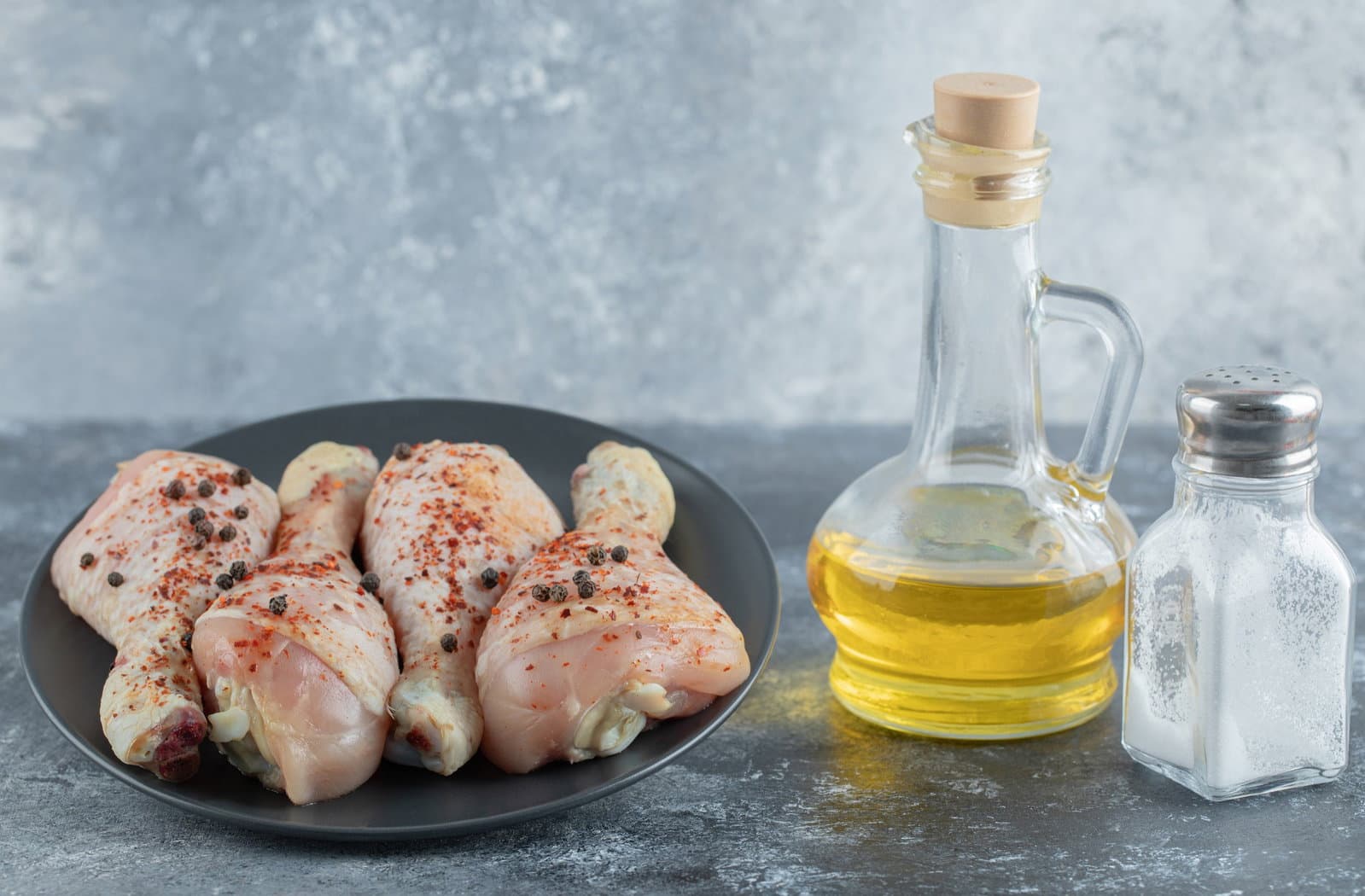
The cooking oil you use for chicken changes the whole dish, not just whether it sticks to the pan. Use mustard oil for bold, smoky North Indian curries. Reach for ghee for rich, festive dishes like korma and butter chicken. Pick neutral oils (vegetable, sunflower, canola) when you want the spices to shine or you are deep-frying. Coconut oil suits South Indian and coastal cooking. Olive oil is best for light grilled or baked chicken. Butter gives a creamy, restaurant-style finish but burns fast, so mix it with a little neutral oil. The simple rule: match the oil to the heat and the flavour you want, and the same recipe can taste completely different.
When we think about making a delicious chicken dish, our minds immediately go to the marinade: the perfect blend of spices, fresh herbs, or a splash of acid. But there is a silent partner in your pan that holds massive power over the final plate: your cooking oil.
Oil does far more than just keep your chicken from sticking to the skillet. It plays a foundational role in the flavour, aroma, texture, and overall mouthfeel of your food. In fact, simply changing the type of oil you use can completely transform a dish's personality. Some oils provide a bold, sharp punch, while others fade quietly into the background, allowing the spices to do the heavy lifting. Mastering the relationship between chicken and cooking fats is the ultimate trick to elevating your home cooking from ordinary to restaurant-quality.
To cook the perfect chicken dish, it helps to understand what is actually happening behind the scenes. Cooking fat isn't just a medium for heat; it wears several crucial hats in a recipe:
Because different oils respond differently to heat, using the exact same recipe with two different oils will give you two completely distinct results.
A staple in North Indian, Bengali, and Punjabi kitchens, mustard oil has a strong personality that refuses to be hidden.
The Profile: Punchy, sharp, slightly spicy, and distinctly smoky.
Best Used For: Heavy chicken curries (like Shorshe Chicken or a homestyle Chicken Keema Kaleji), and traditional clay-oven marinades for Tandoori Chicken or Chicken Tikka.
The Golden Rule: Always heat mustard oil to its smoking point (until light wisps of smoke rise) and let it cool slightly before adding your food. This removes the raw, bitter sting and leaves behind a deep, rich, authentic flavour.
Ghee is the ultimate comfort fat, used for generations to make celebratory dishes feel incredibly satisfying.
The Profile: Decadent, buttery, and beautifully toasted or nutty.
Best Used For: Festive, royal dishes like Chicken Korma, Mughlai favourites such as Chicken Changezi, Butter Chicken, or a rich chicken pulao. A South Indian Chicken Ghee Roast shows off exactly what ghee can do.
The Golden Rule: Ghee has a high smoke point and won't burn easily. If you don't want to cook the entire dish in ghee, stir a single spoonful in right at the end to give your curry a gorgeous glossy sheen and an irresistible aroma.
This category includes everyday staples like sunflower, canola, soybean, corn, or standard vegetable oil.
The Profile: Completely neutral, light, and flavourless.
Best Used For: Everyday chicken curries (think a quick weeknight Chicken Keema), fast stir-fries, chicken fried rice, and heavy deep-frying.
The Golden Rule: Because these oils have no flavour of their own, they step aside and let the natural taste of the chicken and spices shine. Their high smoke points mean they can handle intense heat without burning.
Step into South Indian or tropical coastal cooking, and coconut oil takes over, sending chicken in a completely different culinary direction.
The Profile: Warm, distinctly sweet, and intensely tropical.
Best Used For: Coastal chicken curries, Kerala-style chicken fry like Kondattam Chicken, and dishes built on black pepper, curry leaves, and coconut milk.
The Golden Rule: Coconut oil pairs beautifully with earthy spices. It coaxes out a comforting, fresh profile that will make your entire house smell incredible.
The darling of Mediterranean cooking, olive oil is excellent for lighter, health-conscious meals.
The Profile: Fruity, smooth, and sometimes slightly peppery.
Best Used For: Grilled chicken breast such as Hariyali Chicken Tikka, oven-baked herb chicken, light pan-searing, and marinades.
The Golden Rule: Extra Virgin Olive Oil (EVOO) has a low smoke point and a strong, grassy flavour that burns easily. Save EVOO for low-heat baking, quick braises, or finishing. For high-heat pan-searing, use "regular" or refined olive oil instead.
Butter does something magical to sauces; it works as an emulsifier, turning thin liquids into rich, velvety gravies.
The Profile: Creamy, sweet, and deeply indulgent.
Best Used For: Classic Butter Chicken, Chicken Tikka Masala, easy weeknight wins like these creamy Easy Creamy Chicken Bites, and pan-sauces like garlic butter chicken.
The Golden Rule: The solid milk proteins in butter cause it to burn quickly over high heat. To stop it from scorching, use medium heat or mix it with a splash of neutral oil.
Every oil has a heat limit called its smoke point. This is the temperature where it stops shimmering, starts smoking, and begins breaking down into bitter, harsh compounds.
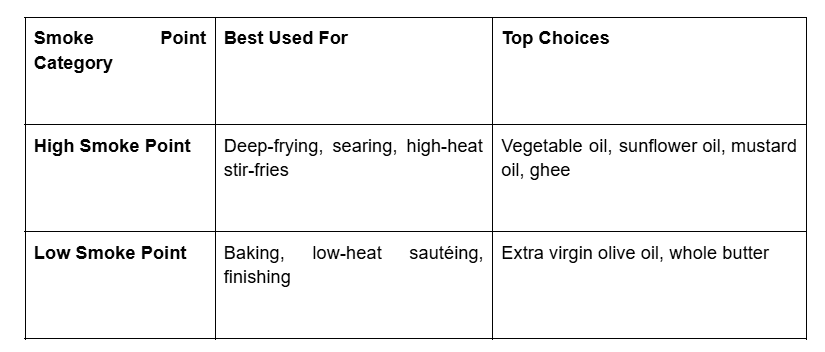
Chef's Warning: If you try to deep-fry chicken breasts in butter or extra virgin olive oil, the fat will scorch long before the chicken cooks through, ruining your dish with a bitter, burnt taste. Always match your cooking temperature to the right fat.
You don't have to stick to just one bottle. Professional chefs often layer fats to get the best of both worlds:
Oil + Butter: When pan-searing chicken breasts, add a splash of vegetable oil alongside your butter. The oil stabilises the butter fat, raising its burning point while still letting you enjoy all that rich, buttery flavour.
Oil + Ghee: To keep things light and cost-effective, cook your base chicken curry in a neutral vegetable oil. Right before turning off the stove, stir in a single tablespoon of ghee. You get a premium, restaurant-style aroma without overloading the dish.
Posted on 28 May 2026

Save recipes from anywhere, and get answers, swaps, and help as you cook.


