We use cookies on this website to ensure its proper functioning and to improve the quality of our services. Cookie Policy
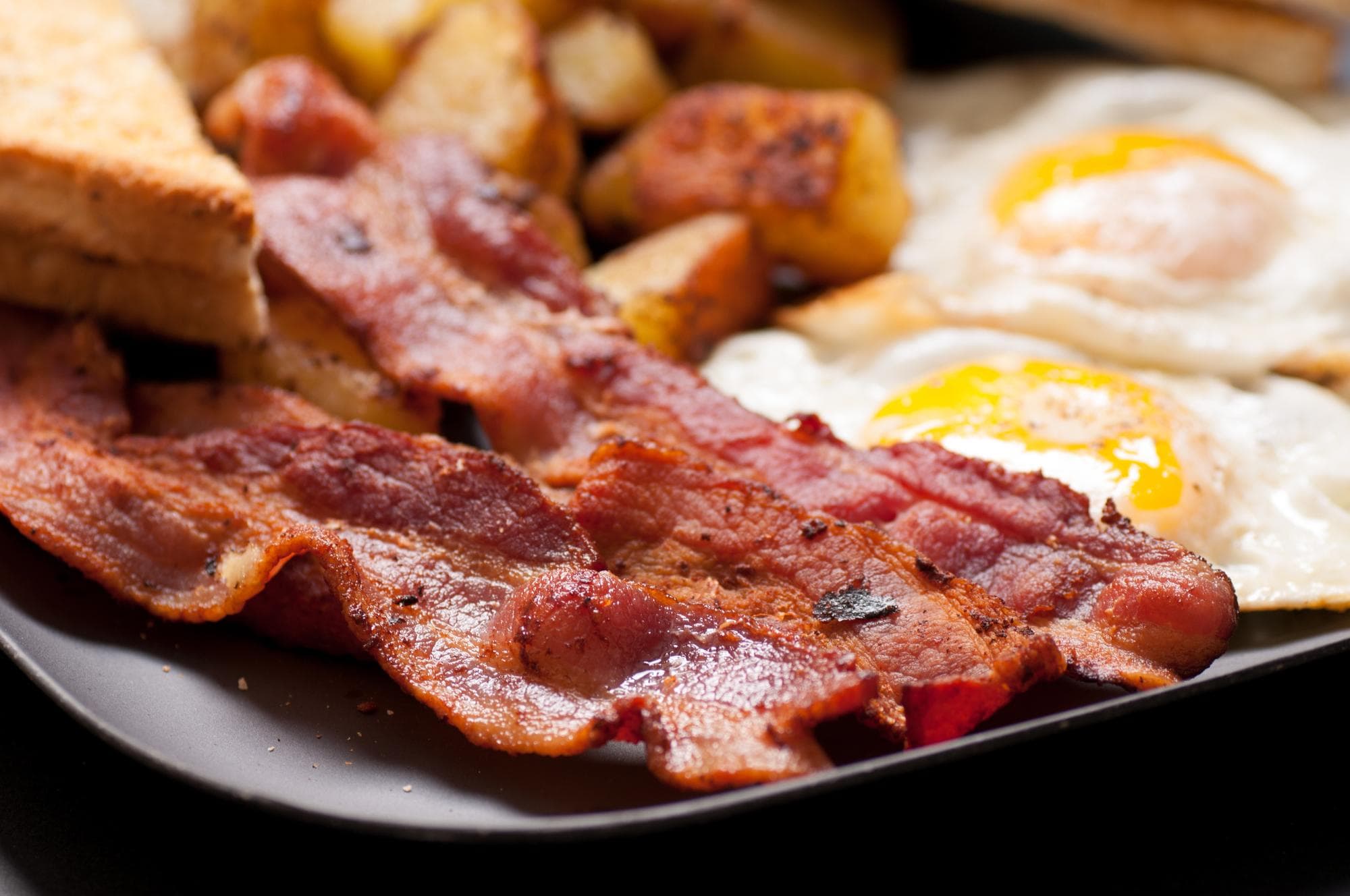
Bacon is one of the most loved breakfast foods in the world. That sizzling sound, the salty smell, the crispy strips on your plate. But over the last decade, a big question has come up again and again: is bacon a cancer risk?
The short answer is yes, there is a real link. But it is not as scary as it sounds. Let us break it all down in plain language so you know exactly what the science says, what is safe, and what you can eat instead.
Yes, bacon does increase the risk of certain cancers, especially colorectal cancer (cancer of the colon and rectum). This is not a new idea or a fringe claim. It is backed by hundreds of studies reviewed by major health organizations around the world.
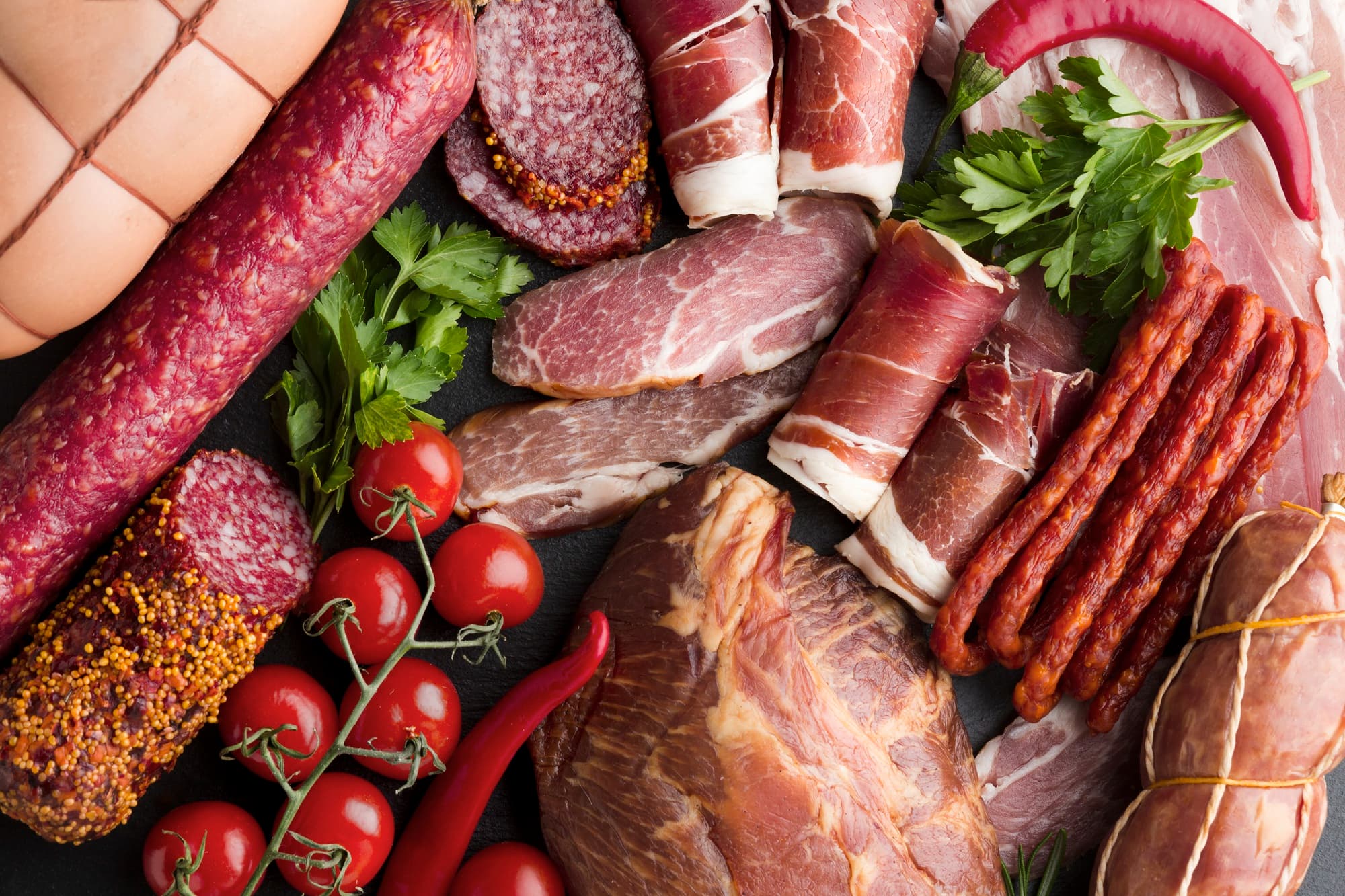
In 2015, the World Health Organization officially classified processed meats, including bacon, ham, hot dogs, sausages, and salami, as a Group 1 carcinogen. That means there is strong, confirmed evidence that eating these foods can cause cancer in humans.
Now here is where people get confused. Group 1 does NOT mean bacon is as dangerous as cigarettes. It simply means the link to cancer has been confirmed by science. Cigarettes cause far more damage. But the risk from bacon is still real and worth knowing about.
When bacon and other processed meats are made, they go through processes like curing, smoking, and salting. During these processes, chemicals form inside the meat that can damage the cells lining your digestive system over time.
The main troublemakers are:
The combination of all three makes bacon one of the highest-risk processed meats from a cancer standpoint.
This is one of the most searched questions around bacon and health, and the answer is: it depends on how often "a day" really means.
Research suggests that eating around 50 grams of processed meat every day (which is roughly two strips of bacon or one hot dog) raises your risk of colorectal cancer by about 18 percent compared to people who rarely eat it. That increase is small in absolute numbers. For most people, the lifetime risk of colorectal cancer sits around 5 percent. Daily processed meat consumption could push that to about 6 percent.
So two slices every single day over many years does add up. Occasional bacon, like on weekends or a few times a month, carries far less risk. The key word in all the research is "regularly." It is the daily habit that causes concern, not the once-in-a-while treat.
The American Institute for Cancer Research puts it simply: eat "little, if any" processed meat. If you love bacon, enjoy it occasionally rather than making it a daily habit.
Not all meat carries the same cancer risk. Here is how they break down:
Fresh, unprocessed white meat like skinless chicken and turkey is not classified as carcinogenic. These are some of the safest meat options for regular eating.
Fish and seafood also fall outside the processed meat category and are not linked to colorectal cancer risk. In fact, fatty fish like salmon, sardines, and mackerel carry anti-inflammatory benefits.
Unprocessed fresh red meat (like a plain beef steak or lamb chop with no curing or smoking) is classified as Group 2A, which means it is "probably" carcinogenic but the evidence is less clear. The recommendation is to limit red meat to about 350 to 500 grams per week cooked weight.
Processed meats (bacon, ham, sausages, hot dogs, salami, deli meats) carry the most confirmed risk and are the ones to cut back on the most.
If you are looking for a quick breakfast with protein but want to skip bacon, try topping eggs with sauteed mushrooms and spinach, or try this Eggplant Omelette from Chefadora that skips the processed meat entirely and still delivers a satisfying, savory plate.
Read about The Link Between Processed Meat and Brain Health
This question surprises a lot of people, but it does come up in research. A few large studies have found that some vegetarians and pescatarians have slightly higher rates of colorectal cancer than moderate meat eaters.
Why? Scientists are still working this out, but some theories include:
Higher intake of refined carbohydrates in plant-based diets, which can affect gut bacteria
Lower levels of vitamin D and B12, nutrients primarily found in animal products, which may play a protective role for colon health
Differences in gut microbiome depending on the specific foods eaten
It is important to be clear here: the research does NOT suggest that vegetarian diets cause cancer. It suggests that diet quality matters more than simply removing meat. A well-planned vegetarian diet with lots of fiber, whole grains, legumes, and micronutrient-rich foods is still protective overall.
The takeaway is that going meatless is not automatically healthy if it means eating more ultra-processed plant foods, refined carbs, or missing key nutrients. Balance always wins.
Bacon gets a lot of attention in health news, but it is worth putting it in context. The biggest confirmed lifestyle causes of cancer include:
Diet overall plays a role, but processed meat is one piece of a much larger picture. Genetics also matters. Some people carry inherited risks for certain cancers regardless of what they eat.
The most powerful thing you can do for cancer prevention is a combination of not smoking, keeping a healthy weight, staying active, limiting alcohol, protecting your skin from the sun, and eating a diet rich in vegetables, fruits, whole grains, and lean proteins.
Here is a beginner guide to a cleaner diet: 2026 Healthy Recipe Collection
If you are trying to eat less bacon without feeling like you are missing out, the good news is there are lots of flavorful options that still make breakfast feel satisfying.
Some easy swaps:
Eggs with vegetables: Try adding spinach, mushrooms, peppers, or tomatoes to your eggs. Protein without the processed meat. This Eggplant Omelette is a great place to start.
Legumes and beans: High in protein and fiber, and absolutely zero cancer risk. Think chickpea scrambles, lentil patties, or bean-loaded breakfast bowls.
Fish: Smoked salmon or canned tuna on toast gives you protein and healthy fats without the nitrate-heavy curing process of bacon.
Fresh chicken or turkey: A grilled chicken breast or turkey patty at breakfast is a clean, protein-rich alternative.
If you still want bacon occasionally, try to cook it at lower heat rather than frying it until very crispy. High-heat cooking is what produces the most HCAs and PAHs. You can also look for nitrite-free bacon varieties, though research on how much safer they are is still ongoing.
And if you love the idea of bacon alongside eggs but want a more creative twist, check out the Bacon and Egg Paratha on Chefadora, a fusion breakfast that pairs the two in a way that makes a little bacon go a long way.
Q1. Is bacon classified as a Group 1 carcinogen?
A1. Yes. The World Health Organization has classified processed meats—including bacon—as Group 1 carcinogens, meaning there is strong scientific evidence they can cause colorectal cancer in humans.
Q2. Does bacon increase the risk of cancer?
A2. Yes. Regular consumption of bacon and other processed meats is linked to a higher risk of colorectal cancer. Eating it occasionally carries much less risk than consuming it daily.
Q3. Is eating two slices of bacon a day OK?
A3. Eating two slices every day can contribute to a meaningful increase in cancer risk over time. Having bacon occasionally—such as a few times a month—is considered far less concerning than daily consumption.
Q4. What meat is not linked to cancer?
A4. Fresh, unprocessed white meats like chicken and turkey are not classified as carcinogens. Fish and seafood are also considered safe options. Unprocessed red meat carries a lower (but still present) risk compared to processed meats.
Q5. Why do vegetarians have a higher risk of colon cancer in some studies?
A5. Some studies have shown a slightly elevated colon cancer risk in certain vegetarian groups. Researchers suggest this may be related to factors like lower vitamin D or B12 levels or higher intake of refined carbohydrates. It does not mean vegetarian diets cause cancer—overall diet quality is the key factor.
Q6. What is the biggest cause of cancer?
A6. Smoking is the leading preventable cause of cancer worldwide. Other major contributors include obesity, alcohol consumption, UV radiation exposure, and physical inactivity. Diet—including processed meat intake—is only one part of the overall risk.
Q7. Is nitrite-free bacon safer?
A7. “Nitrite-free” bacon typically uses natural preservatives such as celery extract, which still contain nitrates. These can also form nitrosamines during cooking, so the overall reduction in cancer risk is still unclear.
Q8. How much processed meat is too much?
A8. There is no clearly established safe limit. Most health guidelines recommend minimizing processed meat intake and keeping portions small and infrequent if you choose to eat it.
Q9. What are the healthiest ways to cook bacon?
A9. If you do eat bacon, cook it at lower temperatures and avoid charring or over-crisping it. Cooking it slowly helps reduce the formation of potentially harmful compounds.
Q10. Can a healthy diet cancel out the risk from eating bacon?
A10. A diet rich in fiber from vegetables, fruits, legumes, and whole grains is associated with a lower risk of colorectal cancer and may help balance the effects of occasional processed meat consumption. However, it does not completely eliminate the risk. Overall diet quality still matters.
Bacon and other processed meats are yummy, but they are linked to higher cancer risk by major health organizations. This is because of the way they are cured and cooked. You don’t have to never eat bacon, but it’s wise to have it only occasionally. Balancing your diet with lots of plants, lean proteins, and whole grains can help protect against the extra risk. Remember, cooking more foods at home and eating a varied diet are simple steps that add up to better health over time.
Updated on 05 Mar 2026
Save recipes from anywhere, and get answers, swaps, and help as you cook.

