We use cookies on this website to ensure its proper functioning and to improve the quality of our services. Cookie Policy

Coriander is no new name in the kitchen. From garnishing soups to blending in as a spicy dip for vegetable fritters, coriander elevates a basic food into an aromatic meal. Apart from its culinary uses, this fresh green herb also has a list of benefits. Today, we will look into those benefits while exploring more about this herb.
Coriander is an aromatic herb, and all parts of the coriander plant are edible. Its leaves are used as a garnish, while the seeds serve as a spice.
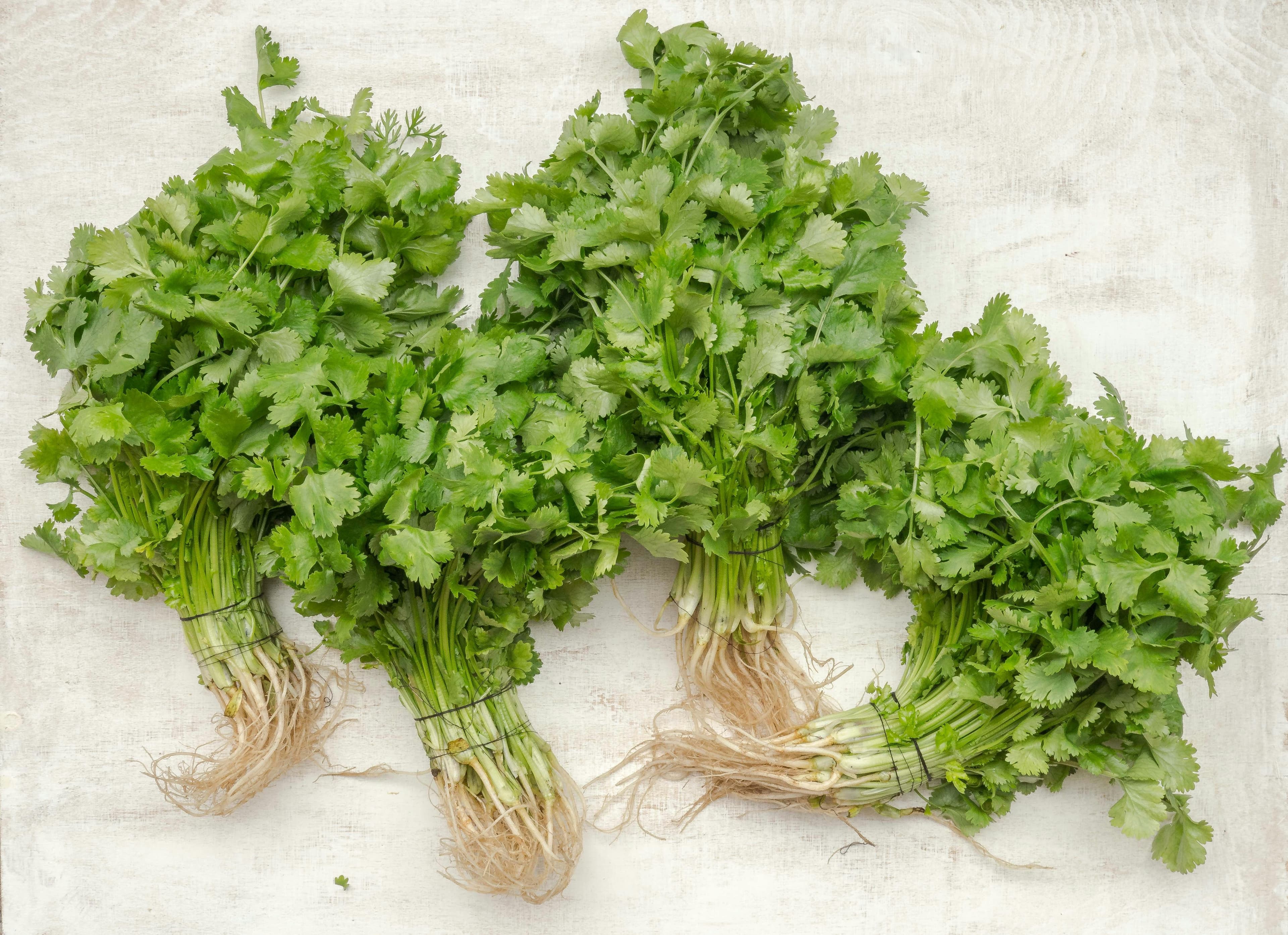
Coriander is one of the oldest herbs still used today.
Several Asian cuisines, especially Thai, utilise coriander roots in their cooking as the roots have a deeper, more intense flavour than the leaves. Coriander seeds are also widely used for picking vegetables and brewing certain beer styles, mainly some Belgian wheat beers. Carrots, celery and parsley are its closest relatives.
Contains Antioxidants that boost Immune Coriander is rich in antioxidants that play a crucial role in protecting the body against cellular damage caused by free radicals. Antioxidants such as terpinene, tocopherols, and quercetin in coriander are presumed to have anticancer, immune-boosting, and neuroprotective effects, as attributed by test-tube and animal studies.
Rich in Vitamin K Coriander is filled with Vitamin K. Vitamin K is a substance that helps our blood clot. It also allows us avoid health issues like osteoporosis by helping our bones repair themselves.

Coriander leaves serve as a fresh and citrusy garnish for soups, cold pasta salads and Thai noodle dishes.
Helps Reduce the Risk of Heart Disease Some studies have found that Coriander can help our bodies flush out excess sodium and water. This helps reduce the risk of common heart diseases, such as high blood pressure and atherosclerosis, a form of coronary heart disease that occurs due to increased “bad” LDL cholesterol levels.
Helps Reduce Digestive and Gut issues In traditional Iranian and Ayurvedic medicine, coriander extract was served to patients suffering from loss of appetite or anorexia. Coriander contains Linalool, which increases the activity of neurotransmitters involved in the process of stimulating appetite. The essential oil present in Coriander is believed to restrain the overgrowth of bacteria in the small intestine. These bacteria cause Irritable bowel syndrome, which can lead the affected to suffer from stomach pain, cramping, bloating, diarrhoea, and constipation. In some severe cases, it also leads to weight loss, nausea and vomiting.
Coriander belongs to the carrot family, also known as the Apiaceae, despite being a herb.
Need help incorporating coriander into your diet? Here are two easy recipes to help you sneak this healthy herb into your meals! Ensure you take your fill of carbohydrates with this Creamy Coriander Chicken Curry. Perfect for a hearty dinner when served with naan or bread of your choice. That’s not all. If you only want a light snack, pair this Mint Chimichurri Sauce with your shawarma or roll for that aromatic tang. And don’t worry if you find it a little bit too addictive; you can store this sauce in your refrigerator for up to three days.
Corianders come with a wide range of benefits. On top of that, it not only makes the food smell and taste better, but it also makes your food look better. This versatile herb should be on everyone’s must-have list. So, the next time you spot a bundle of coriander in the market, put it in your basket, as it is not just another aromatic herb but a nutritional powerhouse that has truly earned its place as a staple in kitchens worldwide.
Updated on 24 Jul 2025

Save recipes from anywhere, and get answers, swaps, and help as you cook.


