We use cookies on this website to ensure its proper functioning and to improve the quality of our services. Cookie Policy

Tags and nutritional info are auto-generated and may be inaccurate. Always check the full ingredient list before cooking.


In a mixie jar, put roasted chana dal, green cardamom pods, grated coconut, rice flour, jaggery powder, water and pinch of salt.
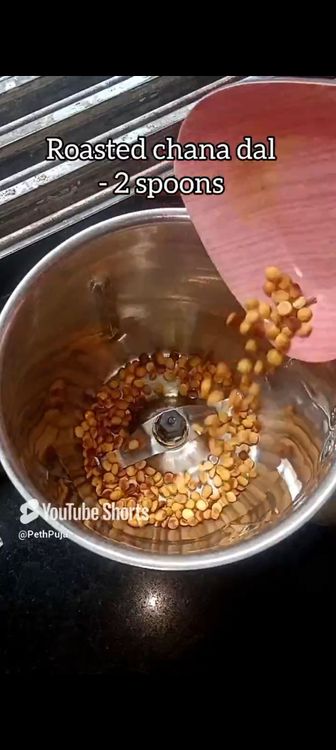
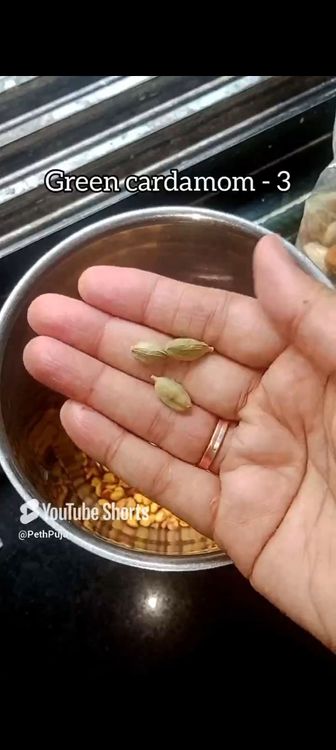
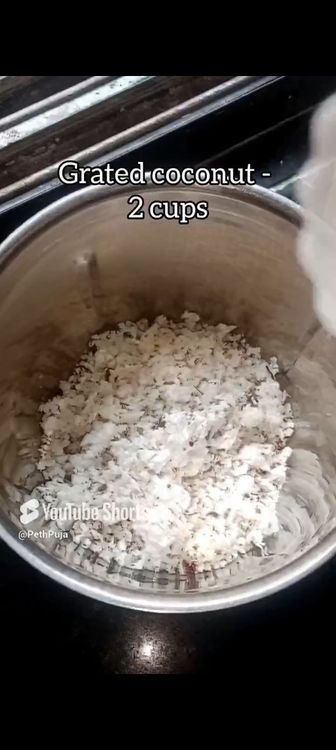
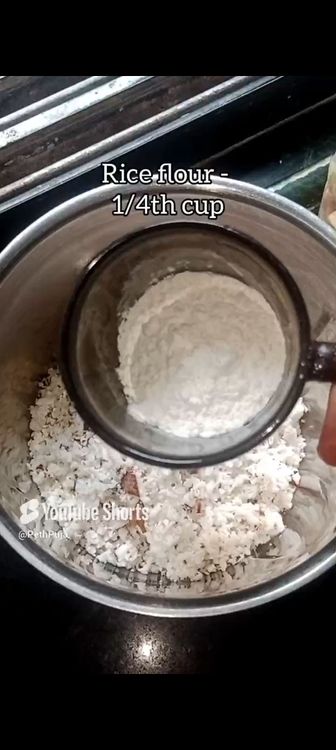
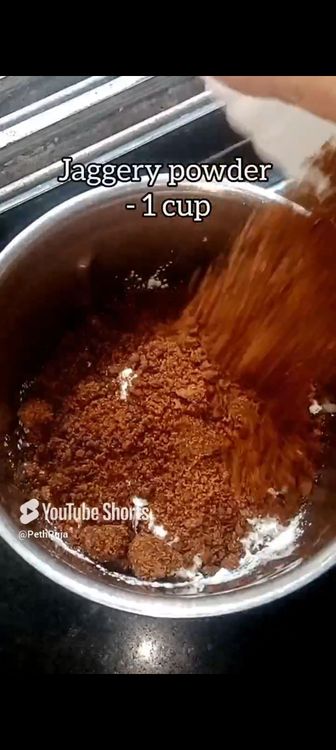
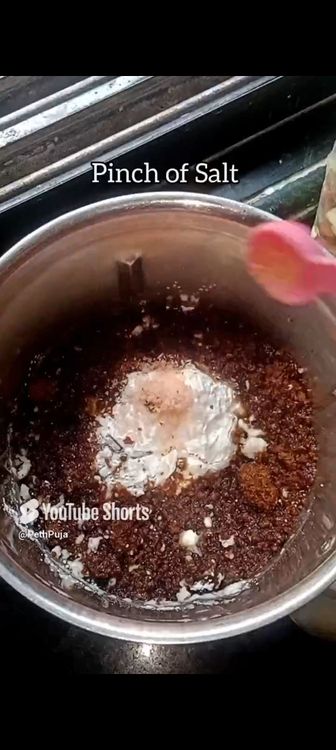

Make a fine paste.
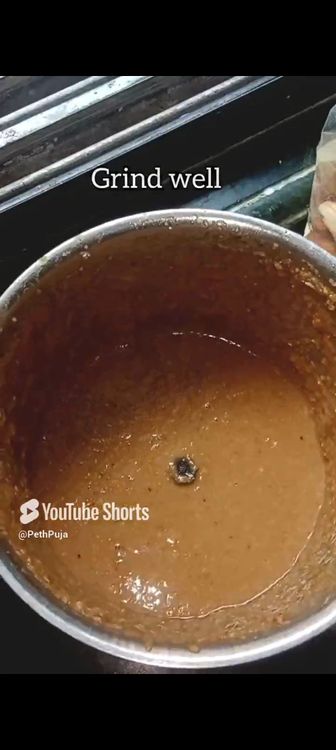
Heat a kadhai or pan , add ghee followed by frying few raisins and cashews. Once the dryfruits are fried well pour the mixture from the mixie jar. Keep the flame low at this time to avoid burning.
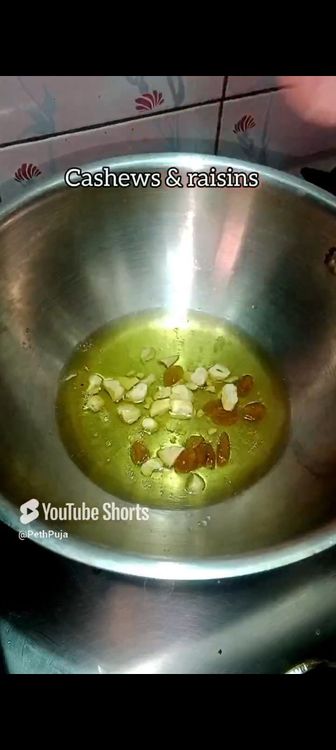
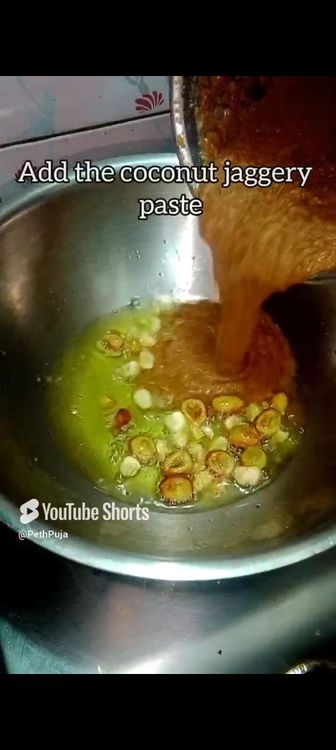
Stir continuously till it leaves the bottom of the pan. This will take around 7-8 min.
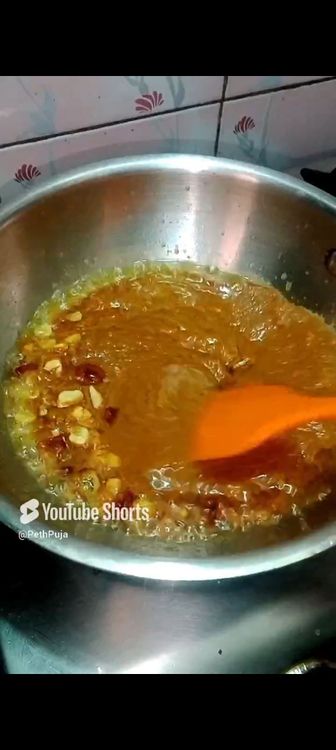
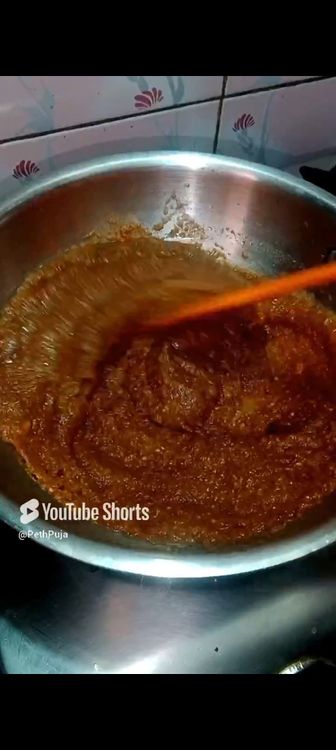
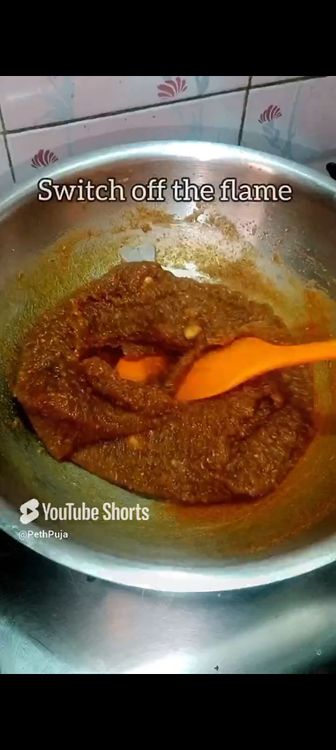
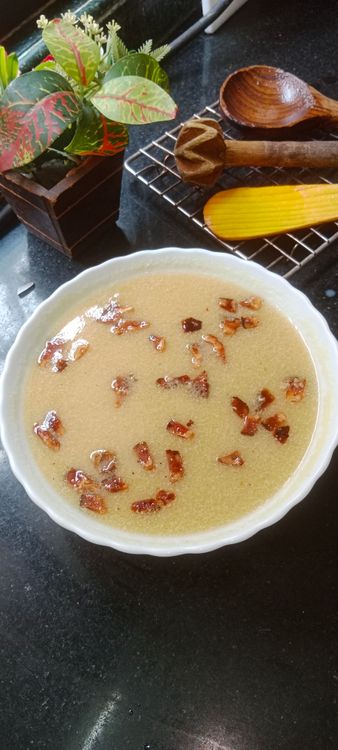
Once it leaves the bottom, switch off the flame. Coconut halwa is ready to offer or serve.
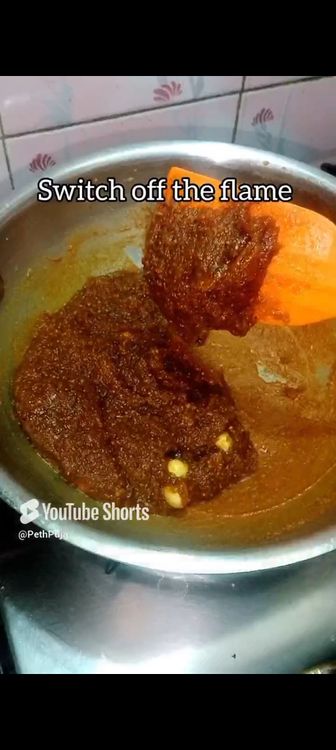
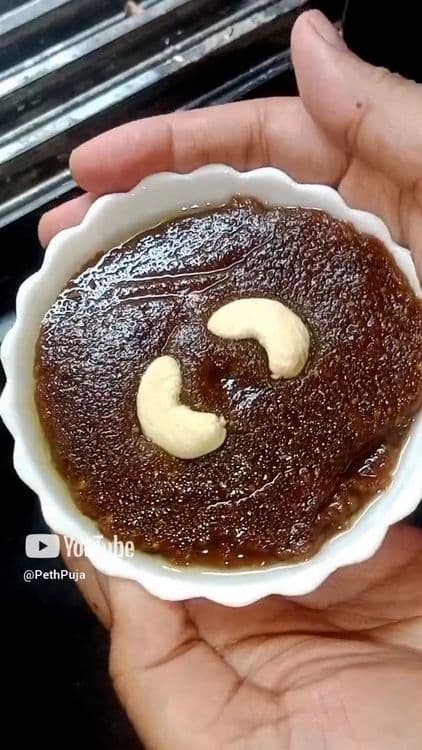
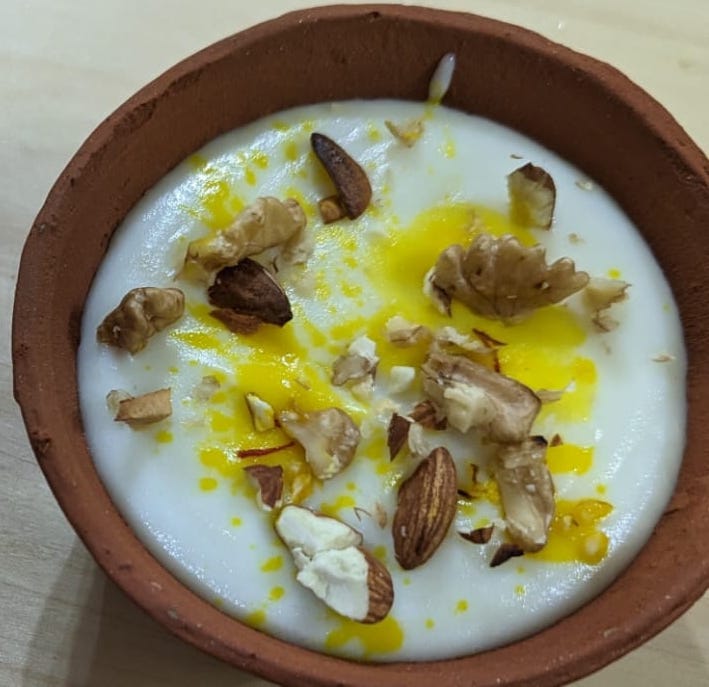
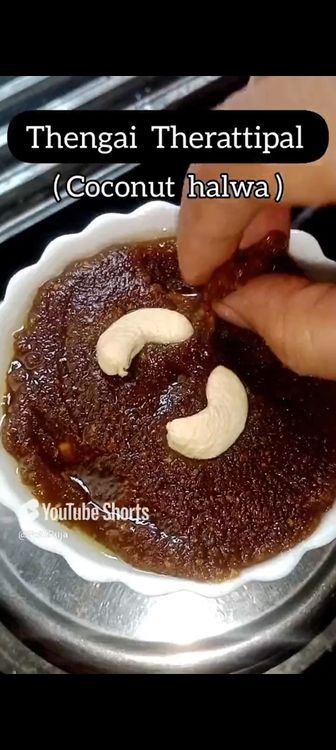
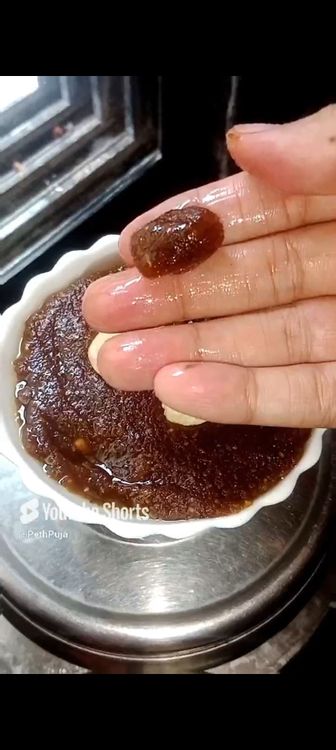
Put in a serving bowl and garnish with cashews.
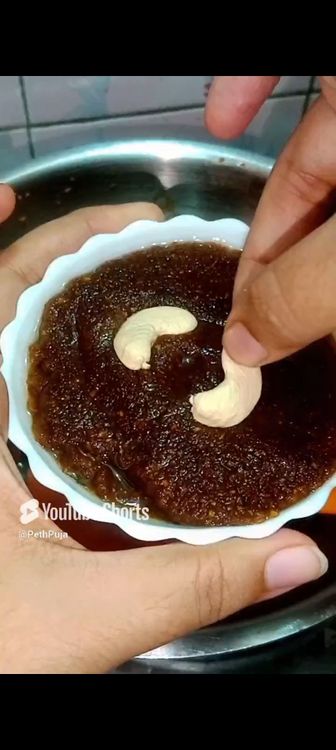
The final consistency becomes semi-solid, like a soft fudge.
Want to keep this recipe for later? We can email it to you!
Freshly grated coconut enhances the flavor and texture of the dish. If using frozen coconut, ensure it's thawed completely before use.
Cook the coconut and jaggery mixture on a low flame, stirring continuously to avoid burning or sticking. It also helps in blending the flavors well and ensures the jaggery melts evenly.
The final consistency should be semi-solid, like a soft fudge. If it becomes hard, add 1 tbsp coconut milk ( vegans ) or whole cream milk
For a more traditional version, whole milk works well. Boil and reduce the milk to intensify the flavor before adding coconut and jaggery. ( Do this after frying dryfruits in ghee)
Store the thengai therattipal in an airtight container at room temperature for a day or two, or in the refrigerator for longer. It tastes great warm or at room temperature.
How do I make Coconut Halwa (Thengai Therattipal) from scratch?
To make Coconut Halwa, start by blending roasted chana dal, green cardamom pods, grated coconut, rice flour, jaggery powder, water, and a pinch of salt into a fine paste. In a pan, heat ghee and fry some raisins and cashews. Then, pour in the coconut mixture and cook on low heat, stirring continuously until it thickens and leaves the bottom of the pan, which takes about 7-8 minutes. Once done, garnish with cashews and serve.
Is Coconut Halwa suitable for vegan diets?
Coconut Halwa is not vegan due to the use of ghee, which is clarified butter. However, you can easily make it vegan by substituting ghee with coconut oil or any other plant-based oil. This will keep the dish delicious while making it suitable for vegan diets.
What can I use as a substitute for jaggery in Coconut Halwa?
If you don't have jaggery, you can substitute it with brown sugar or coconut sugar. Keep in mind that the flavor will slightly differ, but these alternatives will still provide the sweetness needed for the Coconut Halwa.
How should I store leftover Coconut Halwa?
To store leftover Coconut Halwa, allow it to cool completely, then transfer it to an airtight container. It can be kept in the refrigerator for up to a week. When ready to eat, you can reheat it in the microwave or on the stovetop, adding a little water or ghee to restore its texture.
What are some good pairings for Coconut Halwa?
Coconut Halwa pairs wonderfully with a cup of masala chai or filter coffee, enhancing the overall experience. You can also serve it alongside other South Indian sweets during festivals or special occasions for a delightful dessert spread.

Cooking has always been my way of spreading love and warmth. Through this channel, I share recipes close to my heart—some from childhood memories, some from daily life, and some festive treats. It’s my little space to celebrate the joy of homemade food and connect with fellow food lovers.
...