
Wild Foods
Discover the Untamed Power of Wild Foods: Nourishment from Nature's Pantry
Wild foods, a treasure trove of nutrition and flavor, offer a unique connection to the natural world. These foraged edibles, ranging from vibrant berries and earthy mushrooms to nutrient-packed greens and lean game meats, represent a diet deeply rooted in ancestral wisdom and environmental sustainability. Embracing wild foods can significantly enhance your diet, offering a wealth of benefits often surpassing those found in commercially cultivated varieties.
One of the most compelling advantages of wild foods is their exceptional nutritional density. Often growing in nutrient-rich soils and subjected to natural selection pressures, they tend to be richer in vitamins, minerals, and antioxidants than their cultivated counterparts. Wild berries, for instance, are bursting with anthocyanins, powerful antioxidants that combat oxidative stress and inflammation. Wild greens like dandelion and purslane are excellent sources of vitamins A and C, as well as minerals like calcium and iron. Wild mushrooms, depending on the species, can provide significant amounts of vitamin D, selenium, and B vitamins. For example, many wild mushrooms contain ergosterol, a precursor to vitamin D, crucial for bone health and immune function. Consuming wild game meats, such as venison or elk, offers a lean protein source rich in iron and omega-3 fatty acids, beneficial for heart health.
Culinary uses of wild foods are as diverse as the natural world itself. Wild berries add a burst of sweetness and color to jams, pies, and smoothies. Wild mushrooms elevate the flavor profile of soups, stews, and pasta dishes, offering an earthy, umami richness. Wild greens can be incorporated into salads, sautéed as a side dish, or added to soups for a boost of nutrients. Consider a vibrant wild berry crumble, a creamy mushroom risotto featuring foraged chanterelles, or a refreshing salad with dandelion greens and a lemon vinaigrette. The possibilities are endless, limited only by your imagination and the bounty of your local environment. Popular cooking methods often involve simple preparations that highlight the natural flavors of the ingredients – sautéing, roasting, grilling, or simply enjoying them raw when appropriate and safe.
Incorporating wild foods into a balanced diet is crucial for overall wellness. Beyond their impressive nutrient profiles, wild foods connect us to the seasonality of our environment, encouraging mindful eating and appreciation for the natural rhythms of life. Furthermore, foraging for wild foods promotes physical activity and a deeper understanding of local ecosystems. However, it is imperative to forage responsibly and sustainably, respecting the environment and ensuring the long-term availability of these precious resources. Accurate identification of wild foods is paramount to avoid consuming toxic species. Consulting with experienced foragers or utilizing reliable field guides is essential for safe foraging practices. Integrating even small amounts of wild foods into your diet can make a significant difference in your health and well-being, providing a unique connection to nature and a wealth of vital nutrients. Embrace the wild, nourish your body, and discover the untamed power of nature's pantry for a truly holistic approach to health and wellness. Remember, responsible foraging ensures that these resources remain available for generations to come. Understanding the local ecosystem and practicing sustainable harvesting techniques are vital for maintaining the health and abundance of wild food sources. || Wild Foods are an essential part of a healthy diet, providing a wide range of nutrients and health benefits. Explore our collection of wild foods ingredients.
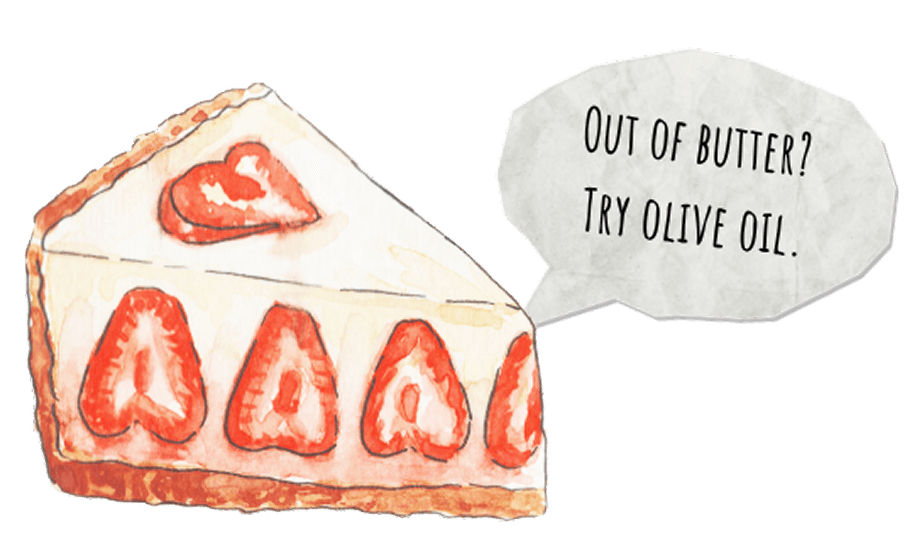
Your recipes can talk now 👀
Save recipes from anywhere, and get answers, swaps, and help as you cook.

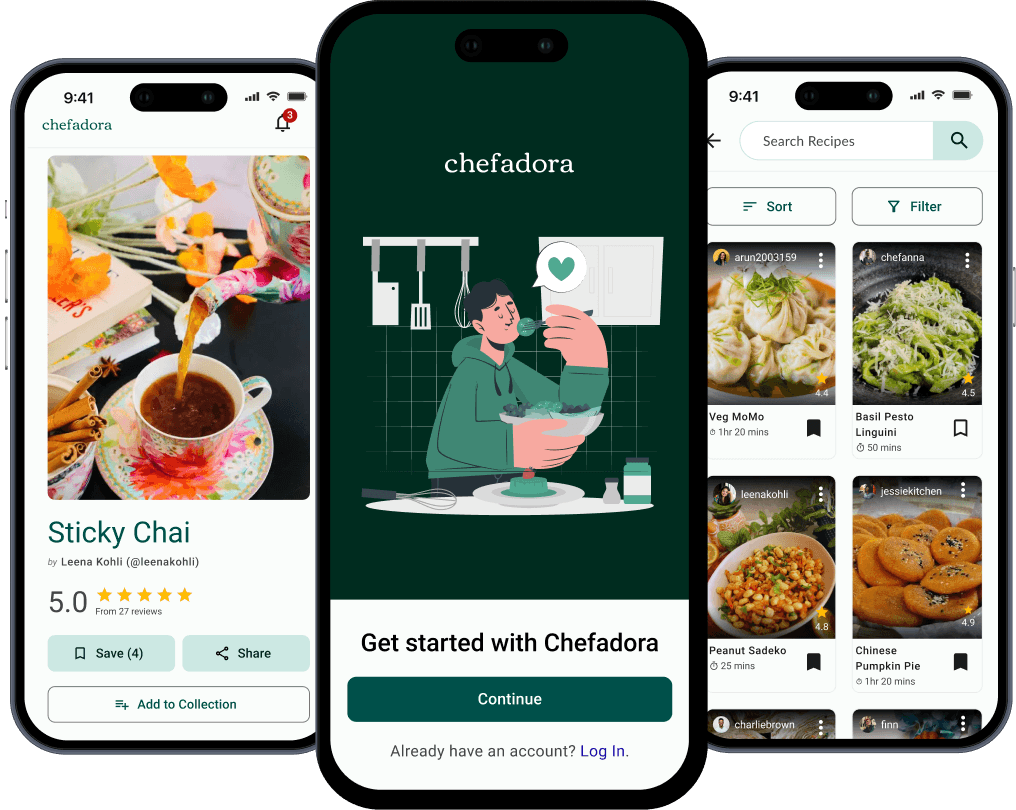
Get cooking with the Chefadora App.
Available now for early access users.


Marnirni-apinthi Building, Lot Fourteen,
North Terrace, Adelaide, South Australia, 5000
Australia
