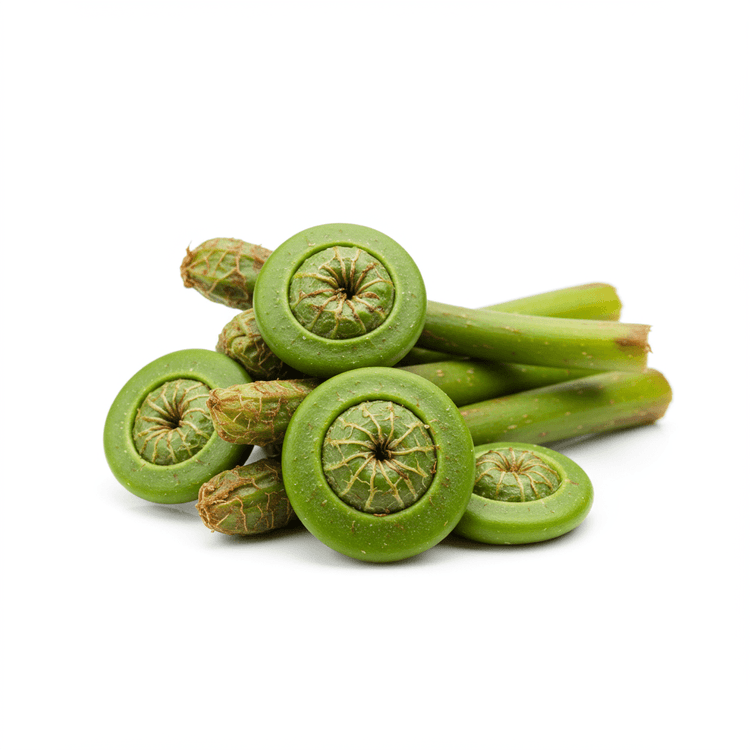
Wild food, encompassing foraged plants, mushrooms, wild game, and fish, offers a unique nutritional profile and a direct connection to nature's bounty. Unlike their commercially cultivated counterparts, wild edibles often boast higher concentrations of vitamins, minerals, and antioxidants due to their natural growing conditions and diverse environments.
Consider wild berries, packed with vitamin C and potent antioxidants like anthocyanins, crucial for immune function and cellular protection. Foraged greens such as dandelion and purslane are excellent sources of vitamins A and K, vital for vision, bone health, and blood clotting. Wild mushrooms, especially varieties like chanterelles and morels, are rich in B vitamins and minerals like selenium and copper, supporting energy metabolism and immune defense. Wild game, such as venison and rabbit, provides lean protein and essential nutrients like iron and zinc, vital for oxygen transport and immune system support. Wild-caught fish like salmon and trout are exceptional sources of omega-3 fatty acids, crucial for brain health, heart health, and reducing inflammation.
The culinary applications of wild food are as diverse as the ingredients themselves. Foraged berries can be transformed into jams, pies, and sauces, adding a burst of flavor and color to both sweet and savory dishes. Wild greens can be incorporated into salads, soups, and stir-fries, adding a nutritious and earthy element. Wild mushrooms can be sautéed, grilled, or added to pasta dishes, risottos, and omelets, contributing a rich, umami flavor. Wild game can be roasted, grilled, or stewed, offering a lean and flavorful alternative to conventional meats. Wild fish can be baked, grilled, pan-fried, or smoked, providing a healthy and delicious source of protein and omega-3s.
Integrating wild foods into a balanced diet provides distinct advantages that contribute to overall wellness. Their diverse nutrient profiles offer a wider range of vitamins, minerals, and antioxidants compared to cultivated foods, potentially boosting immune function, reducing inflammation, and supporting optimal health. The act of foraging itself encourages physical activity and a deeper connection with nature, promoting mental well-being and reducing stress. Sustainable foraging practices ensure the preservation of these valuable resources for future generations. Furthermore, incorporating wild foods can support local ecosystems and reduce reliance on industrial agriculture. By choosing wild edibles, you not only nourish your body but also contribute to a more sustainable and balanced food system. Embrace the adventure of discovering and preparing wild foods, and unlock a world of unique flavors and health benefits while connecting with the natural world around you. ||
Wild Food are an essential part of a healthy diet, providing a wide range of nutrients and health benefits. Explore our collection of wild food ingredients.