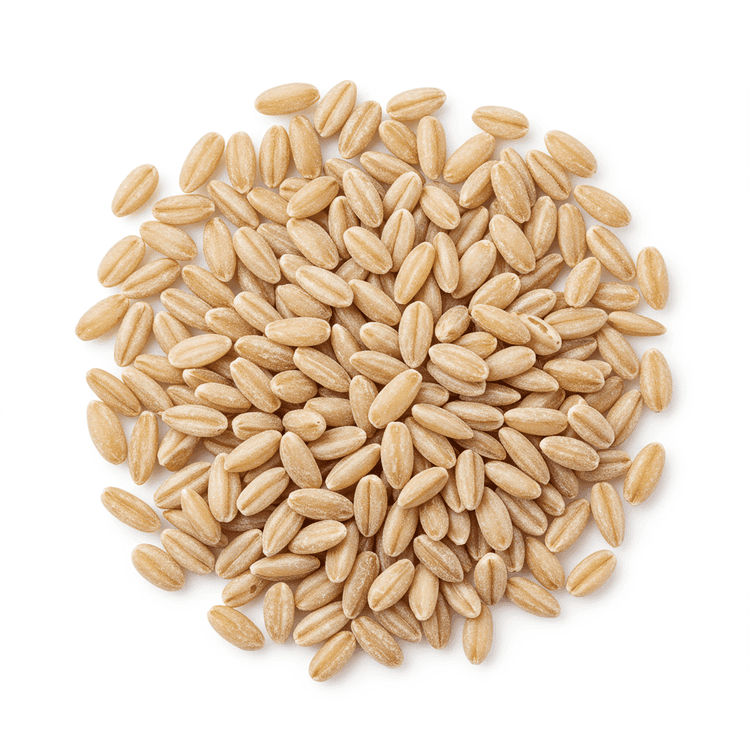
Wheat, a cornerstone of global diets for millennia, is much more than just the base for bread and pasta. It's a complex grain offering a range of nutritional benefits, particularly when consumed in its whole grain form. Understanding the nuances of wheat, from its nutritional profile to its culinary applications, can significantly enhance your approach to healthy eating and diverse cooking.
Whole wheat is a valuable source of dietary fiber, essential for digestive health. Fiber promotes regularity, prevents constipation, and can contribute to feelings of fullness, aiding in weight management. Beyond fiber, whole wheat provides essential B vitamins like niacin, thiamin, and folate, crucial for energy metabolism and nerve function. It's also a source of minerals like iron, magnesium, and selenium, each playing vital roles in overall health. Iron is essential for oxygen transport in the blood, magnesium supports muscle and nerve function, and selenium acts as an antioxidant, protecting cells from damage.
However, it's important to distinguish between whole wheat and refined wheat. Refined wheat, often found in white bread and processed foods, has had the bran and germ removed, stripping away much of the fiber, vitamins, and minerals. While refined wheat still provides carbohydrates for energy, it lacks the substantial nutritional benefits of its whole grain counterpart. Choosing whole wheat products over refined options is a simple yet powerful way to boost your nutrient intake.
In the culinary world, wheat is incredibly versatile. Whole wheat flour can be used to bake hearty breads, muffins, and pancakes. Semolina, a coarse wheat flour, is the foundation for pasta and couscous. Wheat berries, the whole, unprocessed grain, can be cooked like rice and added to salads, soups, or stews for a chewy texture and nutty flavor. Globally, wheat is a staple in countless dishes, from Indian rotis and naans to Middle Eastern pita bread and European sourdough loaves. Its adaptability makes it a valuable ingredient for exploring diverse cuisines and creating satisfying meals.
Wheat's importance in a balanced diet stems from its contribution of carbohydrates, the body's primary source of energy. However, the type of carbohydrate matters. Whole wheat provides complex carbohydrates, which are digested more slowly than simple carbohydrates found in refined grains and sugary foods. This slower digestion helps regulate blood sugar levels and provides sustained energy, preventing energy crashes. Furthermore, the fiber in whole wheat promotes satiety, helping you feel fuller for longer and potentially reducing overall calorie intake.
While wheat is a healthy choice for many, it's important to be aware of potential sensitivities. Gluten, a protein found in wheat, can cause digestive issues for individuals with celiac disease or non-celiac gluten sensitivity. If you suspect you have a gluten intolerance, consult with a healthcare professional for proper diagnosis and guidance. Otherwise, incorporating whole wheat into your diet can be a delicious and nutritious way to support your overall well-being. ||
Wheat are an essential part of a healthy diet, providing a wide range of nutrients and health benefits. Explore our collection of wheat ingredients.