Vegetarian protein sources are essential for a balanced and healthy diet, offering a wealth of nutrients without relying on meat. For vegetarians, vegans, and even meat-eaters looking to diversify their protein intake, understanding the variety and benefits of these plant-based options is crucial. From legumes to nuts and seeds, a vibrant world of protein awaits!
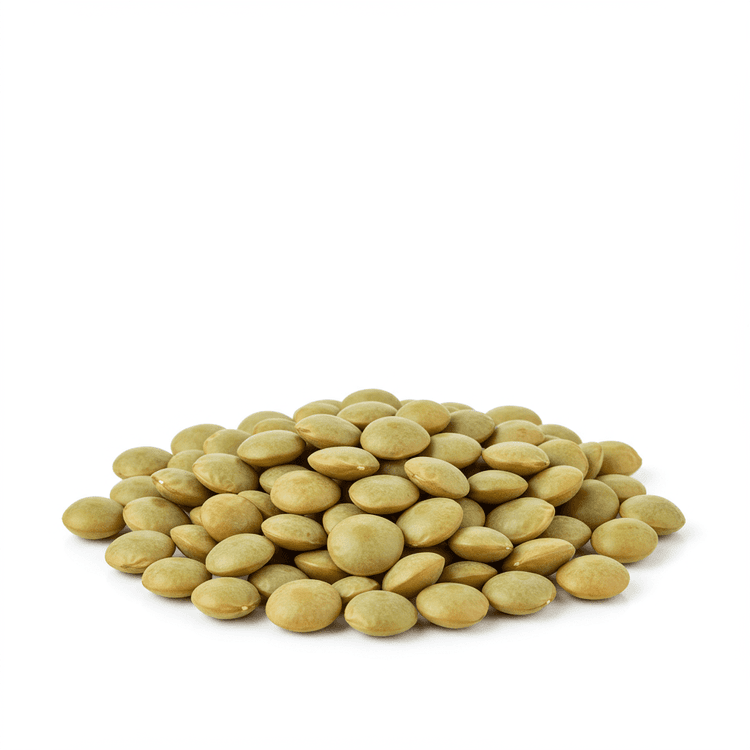
One of the most well-known vegetarian protein sources is legumes, encompassing beans, lentils, and peas. These nutritional powerhouses are packed with protein, fiber, iron, and folate. Kidney beans, black beans, chickpeas, and lentils each boast unique flavor profiles and nutritional advantages. Fiber aids in digestive health and helps regulate blood sugar levels, while iron is vital for energy production and oxygen transport. Folate, particularly important during pregnancy, contributes to cell growth and development. Culinary uses for legumes are incredibly diverse: think hearty lentil soups, flavorful bean burritos, creamy hummus, and even baked bean dishes. They form the backbone of many vegetarian cuisines worldwide.
Tofu, tempeh, and edamame – all derived from soybeans – provide complete proteins, meaning they contain all nine essential amino acids that the body cannot produce on its own. Tofu, with its mild flavor, acts as a blank canvas in stir-fries, scrambles, and even desserts. Tempeh, fermented soybean cake, offers a nutty, slightly tangy taste and firmer texture, perfect for grilling or pan-frying. Edamame, young soybeans in their pods, makes a delightful and nutritious snack. Soy products are also a good source of calcium and iron, further boosting their nutritional profile.
Nuts and seeds, including almonds, walnuts, chia seeds, flax seeds, and hemp seeds, offer another excellent source of vegetarian protein, along with healthy fats, fiber, and a variety of vitamins and minerals. Almonds and walnuts are rich in vitamin E, an antioxidant that protects cells from damage. Chia and flax seeds are excellent sources of omega-3 fatty acids, which are beneficial for heart health and brain function. Sprinkle these nutritional gems on salads, yogurt, or oatmeal, or incorporate them into homemade granola bars and smoothies. Nut butters, like peanut butter and almond butter, are convenient and versatile protein sources as well, perfect for sandwiches or as a dip for fruits and vegetables.
Quinoa, often mistaken for a grain, is actually a seed and a complete protein. It's also a good source of fiber, iron, and magnesium. This versatile ingredient can be used as a base for salads, as a side dish, or even in breakfast bowls. Similarly, amaranth and buckwheat offer protein and other essential nutrients.
The importance of incorporating diverse vegetarian protein sources into your diet cannot be overstated. A balanced intake of these foods ensures that you receive all the essential amino acids your body needs for muscle building, repair, and overall health. Furthermore, these foods offer a wealth of vitamins, minerals, and antioxidants that contribute to disease prevention and optimal wellness. By embracing a variety of legumes, soy products, nuts, seeds, and grains, you can create delicious, satisfying, and nutritious meals that support a vibrant and healthy lifestyle. ||
Vegetarian Protein are an essential part of a healthy diet, providing a wide range of nutrients and health benefits. Explore our collection of vegetarian protein ingredients.