
Spicy Ingredient
Spicy Ingredients: A Flavorful Boost for Health and Cuisine
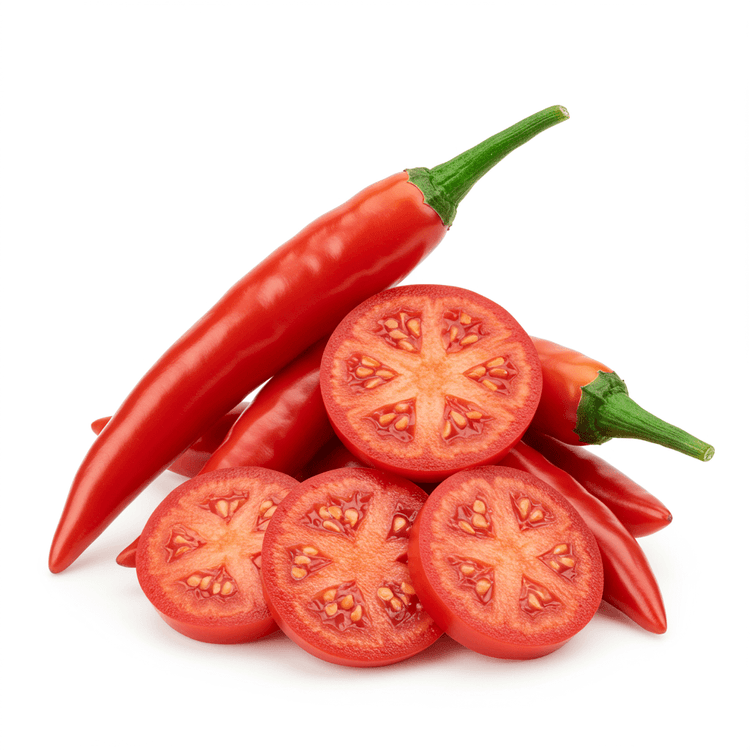
Spicy ingredients are more than just a way to add heat to your meals—they’re a powerhouse of flavor and nutrition. From chili peppers to ginger, garlic, and black pepper, these fiery additions have been cherished across cultures for their ability to transform dishes and promote wellness. Packed with vitamins, minerals, and bioactive compounds, spicy ingredients offer a unique combination of health benefits and culinary versatility that make them indispensable in any kitchen.
Health Benefits of Spicy Ingredients
Spicy foods often contain capsaicin, a compound found in chili peppers that is responsible for their heat. Capsaicin has been studied for its ability to boost metabolism, support weight management, and reduce inflammation. Additionally, many spicy ingredients are rich in antioxidants, which help combat oxidative stress and support overall cellular health. For example, ginger contains gingerol, a potent anti-inflammatory compound that aids digestion and may alleviate nausea. Garlic, another popular spicy ingredient, is packed with allicin, which has been linked to improved heart health and immune function.
Spicy ingredients also play a role in enhancing circulation and promoting cardiovascular health. Black pepper, often referred to as the “king of spices,” contains piperine, which not only adds a sharp, earthy flavor but also improves nutrient absorption in the body. These ingredients are also known for their antimicrobial properties, making them valuable for supporting gut health and preventing infections.
Culinary Uses and Popular Dishes
Spicy ingredients are a cornerstone of global cuisine, adding depth and complexity to dishes. Chili peppers are a staple in Mexican, Indian, Thai, and Korean cooking, where they are used in everything from salsas and curries to stir-fries and marinades. Ginger is a key ingredient in Asian cuisine, lending its warm, zesty flavor to soups, stir-fries, and teas. Garlic is universally loved for its pungent aroma and versatility, appearing in pasta sauces, roasted vegetable dishes, and savory spreads.
For those who enjoy experimenting in the kitchen, spicy ingredients can be used to create homemade hot sauces, spice rubs, and infused oils. They pair beautifully with proteins like chicken, fish, and tofu, as well as vegetables such as bell peppers, zucchini, and eggplant. Whether you’re making a fiery chili con carne or a soothing ginger tea, spicy ingredients bring a dynamic flavor profile that elevates any recipe.
Importance for a Balanced Diet and Wellness
Incorporating spicy ingredients into your diet is a simple yet effective way to enhance both flavor and nutrition. Their unique bioactive compounds not only add zest to your meals but also support key aspects of health, from digestion and metabolism to immune function and heart health. Spicy foods can also help reduce the need for excessive salt or sugar in recipes, making them a great choice for those looking to maintain a balanced diet.
Moreover, spicy ingredients encourage mindful eating by stimulating the palate and making meals more satisfying. They’re an excellent option for health-conscious home cooks and food enthusiasts who want to explore bold flavors while reaping nutritional benefits. Whether you’re a fan of mild heat or crave intense spice, these ingredients offer endless possibilities for culinary creativity and wellness.
Spicy ingredients are not just a trend—they’re a timeless addition to any kitchen. By embracing their versatility and health advantages, you can enjoy flavorful meals that nourish both body and soul. || Spicy Ingredient are an essential part of a healthy diet, providing a wide range of nutrients and health benefits. Explore our collection of spicy ingredient ingredients.

Your recipes can talk now 👀
Save recipes from anywhere, and get answers, swaps, and help as you cook.


Get cooking with the Chefadora App.
Available now for early access users.


Marnirni-apinthi Building, Lot Fourteen,
North Terrace, Adelaide, South Australia, 5000
Australia
