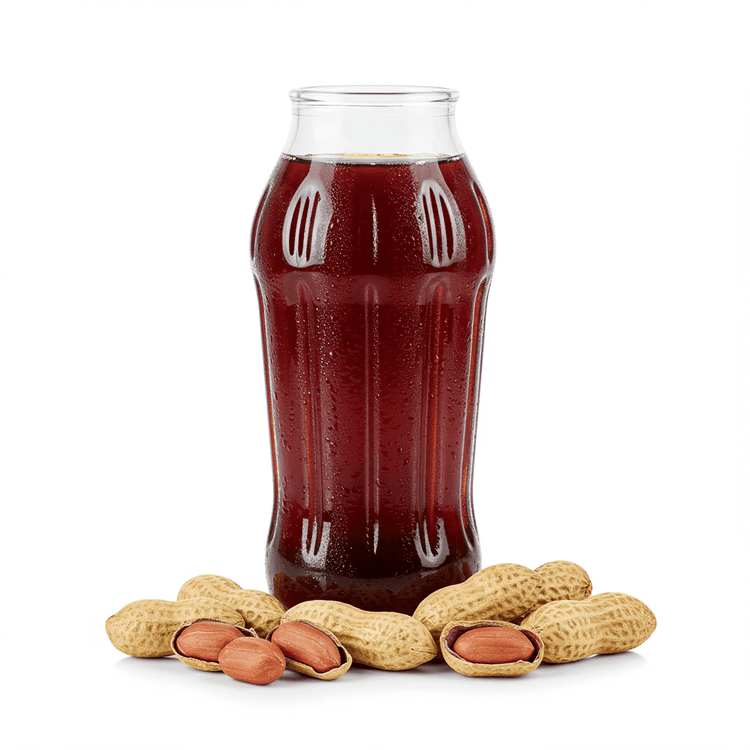
Soft drinks, also known as sodas or pop, are carbonated beverages that typically contain sweeteners, flavorings, and other additives. While they can provide a temporary sugary energy boost, it's crucial to understand their impact on overall health. Most commercially available soft drinks offer minimal nutritional value and can contribute to various health concerns when consumed excessively.
The primary ingredient in most soft drinks is sugar, often in the form of high-fructose corn syrup. Excessive sugar intake is linked to weight gain, insulin resistance, type 2 diabetes, and heart disease. Some diet soft drinks utilize artificial sweeteners like aspartame, sucralose, or saccharin to reduce sugar content. However, the long-term health effects of these artificial sweeteners are still debated, and some studies suggest potential links to metabolic changes and gut microbiome disruption.
Beyond sweeteners, soft drinks often contain artificial flavorings, colors, and preservatives. While these additives are generally considered safe in small amounts, some individuals may experience sensitivities or allergic reactions. The carbonation in soft drinks can contribute to bloating and gas, potentially exacerbating digestive issues. Moreover, the high acidity of many soft drinks can erode tooth enamel, increasing the risk of cavities and dental problems. The lack of essential nutrients like vitamins, minerals, and antioxidants in most soft drinks makes them essentially empty calories.
Despite their limited nutritional benefits, soft drinks remain popular due to their refreshing taste and availability. They are often consumed at social gatherings, sporting events, and as accompaniments to meals. Popular soft drink varieties include cola, lemon-lime, orange, and root beer. They are rarely used as ingredients in formal cooking; their primary purpose is as a beverage. While some might find them satisfying with a pizza, or enjoy the sugary kick with a fast-food meal, these are usually considered guilty pleasures, not health-conscious culinary choices. However, some people use cola as a braising liquid for ham or use ginger ale to tenderize meats. But these are niche culinary applications.
In the context of a balanced diet, soft drinks should be consumed sparingly, if at all. Prioritizing water, unsweetened tea, or naturally flavored sparkling water is a healthier alternative. These beverages provide hydration without the added sugars, artificial sweeteners, and empty calories found in soft drinks. A balanced diet should focus on nutrient-dense foods such as fruits, vegetables, whole grains, lean proteins, and healthy fats. These foods provide essential vitamins, minerals, and antioxidants that support overall health and well-being. Choosing healthier beverage options is a crucial step in promoting long-term health and preventing chronic diseases. Moderation is key, and making informed choices about what we drink can have a significant impact on our overall wellness. ||
Soft Drink are an essential part of a healthy diet, providing a wide range of nutrients and health benefits. Explore our collection of soft drink ingredients.