Smoked foods offer a unique culinary experience, infusing ingredients with rich, complex flavors through the process of wood smoke exposure. Beyond their distinctive taste, smoked foods can contribute to a balanced diet, although it's important to choose wisely and prioritize moderation due to potential health considerations.
Smoking, traditionally used for food preservation, transforms the texture and taste of various ingredients. Think of succulent smoked salmon, boasting omega-3 fatty acids beneficial for heart health, or the smoky depth of barbecued brisket, offering a satisfying protein source. From cheeses and nuts to vegetables and tofu, the possibilities for smoking are vast and cater to diverse dietary preferences. The process involves exposing food to smoke generated from burning wood, often imparting flavors like hickory, mesquite, applewood, or pecan, each contributing a unique aromatic profile.
Nutritionally, smoked foods can retain many of the benefits of their non-smoked counterparts. Smoked fish, for instance, continues to be a valuable source of protein and essential fatty acids. However, the smoking process itself can impact nutrient content. High heat smoking can degrade certain vitamins, particularly water-soluble vitamins like B vitamins and vitamin C. Therefore, opting for low-and-slow smoking methods can help preserve more of the original nutritional value. Furthermore, the type of wood used can subtly influence the antioxidant content of the smoked food.
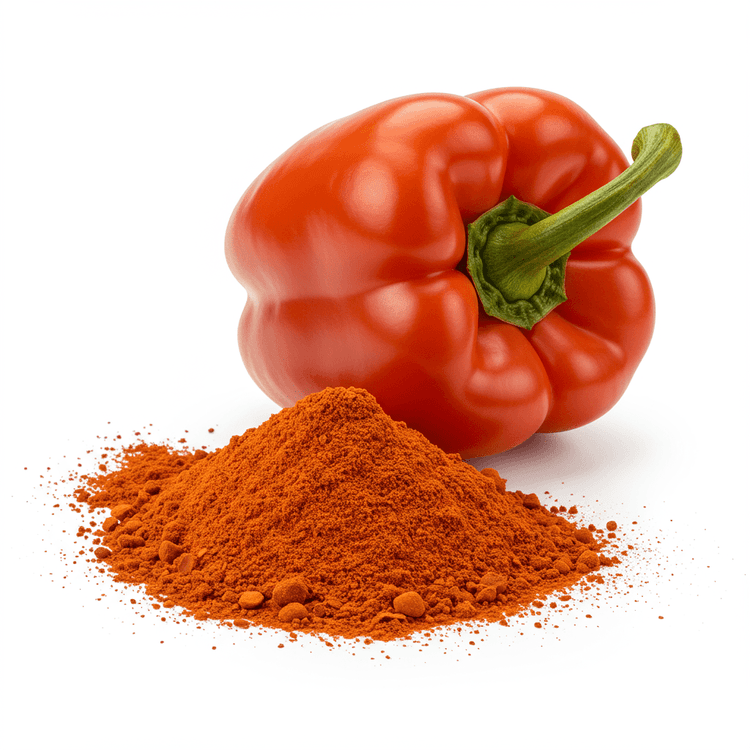
Culinary applications of smoked foods are diverse. Smoked salmon elevates bagels and salads, while smoked paprika adds depth to stews and paella. Smoked cheeses enhance charcuterie boards and grilled sandwiches. In barbecue, smoking is the cornerstone of flavor, transforming meats like ribs, pulled pork, and brisket into culinary masterpieces. Many popular dishes feature smoked ingredients, including smoked gouda mac and cheese, smoked chicken wings, and smoked trout dip. Experimenting with different wood types and smoking times allows home cooks to tailor the flavor profile to their preferences.
While smoked foods offer a flavorful addition to a balanced diet, it's crucial to be mindful of sodium content. Many commercially smoked products contain added salt to enhance flavor and preservation. Choosing low-sodium options or smoking foods at home allows for better control over salt intake. Also, the consumption of certain smoked meats has been linked to an increased risk of certain health problems, and it's related to the formation of heterocyclic amines (HCAs) and polycyclic aromatic hydrocarbons (PAHs) during the smoking process. Therefore, moderation and selecting lean cuts of meat are essential for minimizing potential health risks.
In summary, smoked foods offer a unique sensory experience and can contribute to a varied diet. By selecting nutrient-rich options like smoked fish and vegetables, practicing moderation, and being aware of sodium content, you can enjoy the distinct flavors of smoked foods while prioritizing overall wellness. Choose your wood carefully, experiment with different techniques, and enjoy the smoky goodness in moderation! ||
Smoked are an essential part of a healthy diet, providing a wide range of nutrients and health benefits. Explore our collection of smoked ingredients.