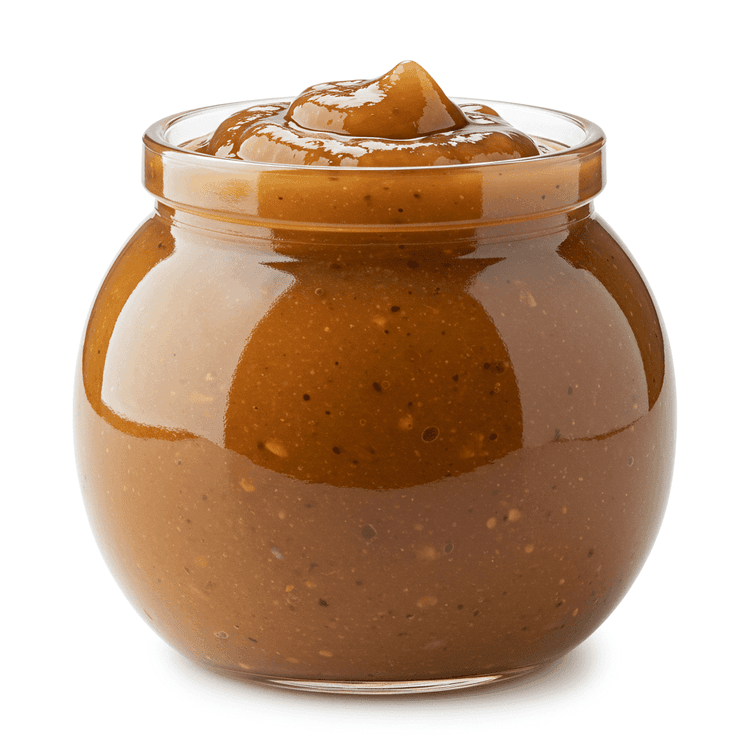
Savory sauces are culinary cornerstones, transforming simple dishes into flavorful experiences. More than mere condiments, they are integral components of global cuisines, offering a vast range of tastes, textures, and nutritional nuances. From the umami depth of soy sauce to the tangy brightness of tomato-based marinara, savory sauces bring balance and complexity to meals, often contributing valuable vitamins, minerals, and antioxidants.
The health benefits of savory sauces vary significantly depending on their ingredients and preparation methods. Many traditional sauces, like pesto made with fresh basil, provide antioxidants such as flavonoids and carotenoids, which are beneficial for cardiovascular health and reducing oxidative stress. Tomato-based sauces are rich in lycopene, a potent antioxidant linked to a reduced risk of certain cancers. Some sauces, particularly those incorporating spices like turmeric (containing curcumin) or chili peppers (containing capsaicin), offer anti-inflammatory properties. Fermented sauces like miso and tamari introduce probiotics, supporting gut health and potentially boosting immunity. However, it's crucial to be mindful of sodium content, as many commercially prepared sauces can be high in sodium, which can negatively impact blood pressure.
Culinary applications of savory sauces are incredibly diverse. They serve as marinades for meats and vegetables, tenderizing and infusing them with flavor. They act as dipping sauces for appetizers and snacks, enhancing their appeal. Sauces are essential components of countless dishes, from pasta and pizza to stir-fries and curries. Classic examples include: Bolognese sauce served with pasta, enriching it with protein and vegetables; Teriyaki sauce glazing grilled chicken or salmon, adding a sweet and savory note; Bechamel sauce forming the base of gratins and casseroles, providing richness and creaminess; and Chimichurri sauce elevating grilled meats with its herbaceous zest. Different cooking methods can also influence the flavor profile of a sauce. Simmering sauces allows flavors to meld and deepen, while reducing sauces concentrates flavors and creates a thicker consistency.
Savory sauces play a vital role in a balanced diet by encouraging the consumption of otherwise bland or unappetizing foods. A flavorful sauce can make vegetables more appealing, increasing their intake and contributing essential vitamins and minerals to the diet. Moreover, sauces can be vehicles for incorporating healthy fats, such as olive oil in pesto or avocado oil in homemade dressings. The unique nutritional advantages of savory sauces lie in their ability to boost the palatability of meals and, when prepared with wholesome ingredients, deliver a concentrated dose of antioxidants, vitamins, and minerals. By thoughtfully selecting and preparing savory sauces, home cooks and food enthusiasts can enhance both the flavor and nutritional value of their meals, promoting overall well-being. ||
Savory Sauce are an essential part of a healthy diet, providing a wide range of nutrients and health benefits. Explore our collection of savory sauce ingredients.