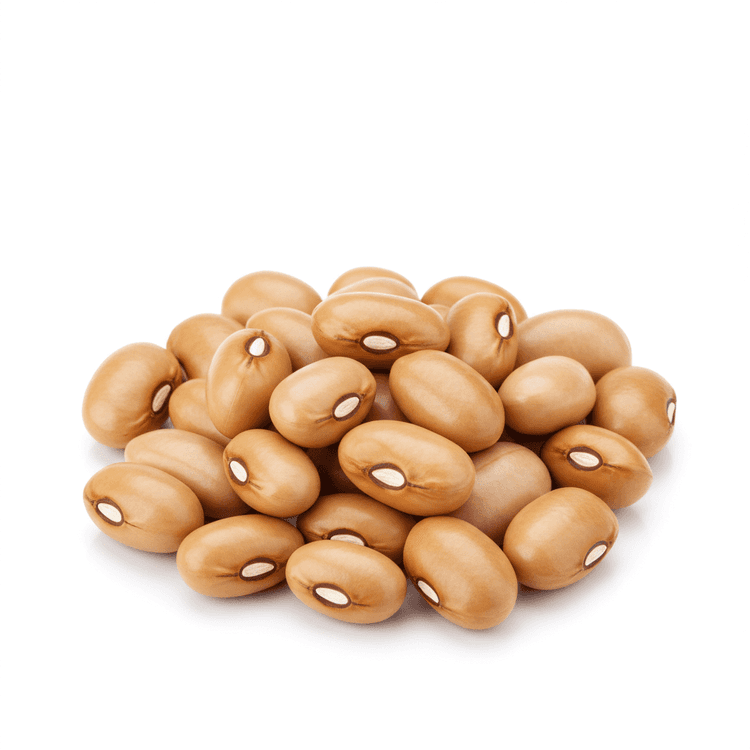
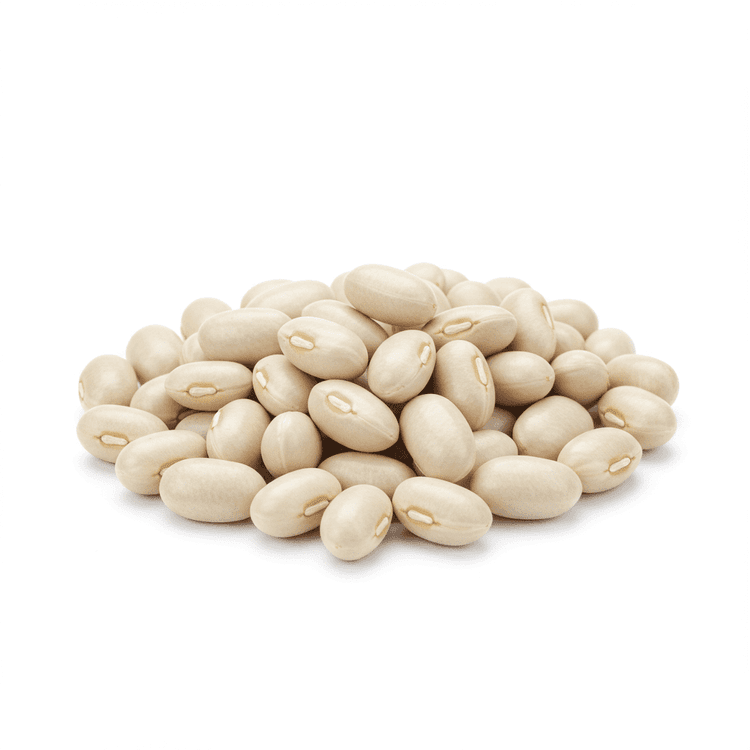
Pulses, the edible seeds of legumes like lentils, beans, peas, and chickpeas, are nutritional powerhouses offering a wealth of health benefits and culinary versatility. Far more than just a side dish, they're a cornerstone of healthy, plant-based diets around the world.
One of the most significant advantages of pulses is their high fiber content. Both soluble and insoluble fiber contribute to digestive health, promoting regularity and preventing constipation. Soluble fiber also plays a vital role in managing cholesterol levels, potentially reducing the risk of heart disease. Beyond fiber, pulses are packed with essential nutrients. They are an excellent source of plant-based protein, crucial for building and repairing tissues, supporting muscle mass, and maintaining a healthy immune system. Furthermore, they are rich in iron, a mineral often lacking in vegetarian and vegan diets, essential for carrying oxygen throughout the body. Pulses also provide substantial amounts of folate, vital for cell growth and development, particularly important during pregnancy. Potassium, magnesium, and zinc are other noteworthy minerals found abundantly in pulses, contributing to healthy blood pressure, bone health, and immune function.
From hearty stews and comforting soups to vibrant salads and innovative appetizers, pulses shine in countless culinary applications. Lentils are a staple in Indian dals and Middle Eastern soups like lentil soup with lemon. Beans are the star of chili, refried beans, and countless variations of bean salads. Chickpeas are the base for hummus, a beloved dip enjoyed worldwide, and are also roasted for a crunchy snack or added to curries and tagines. Peas, whether fresh or dried, add sweetness and texture to soups, stir-fries, and side dishes. Across cuisines, pulses are often combined with grains like rice or quinoa to create complete protein sources, ensuring all essential amino acids are present. Roasting, boiling, simmering, and pressure-cooking are common methods used to prepare pulses, each yielding different textures and flavors.
The importance of pulses in a balanced diet cannot be overstated. Their unique combination of high fiber, protein, and essential nutrients makes them a valuable tool for managing weight, stabilizing blood sugar levels, and promoting overall health. Compared to many other protein sources, pulses are low in fat and calories, making them an excellent choice for those seeking to maintain a healthy weight. The slow-digesting nature of pulses helps regulate blood sugar levels, making them particularly beneficial for individuals with diabetes or those at risk of developing the condition. Furthermore, pulses are sustainable crops, requiring less water and fertilizer than many other agricultural products. Incorporating pulses into your diet is not only good for your health but also contributes to a more sustainable food system. Embrace the versatility and nutritional power of pulses and discover the many ways they can enhance your meals and support your well-being. ||
Pulses are an essential part of a healthy diet, providing a wide range of nutrients and health benefits. Explore our collection of pulses ingredients.